Blog
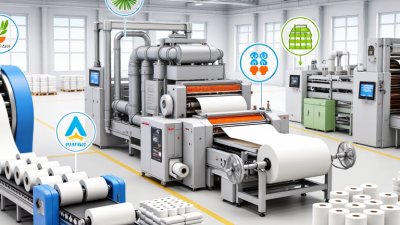
What Types of Tissue Paper Machines Are Available?
Tissue products may look simple on a shelf, but their softness, absorbency, and strength begin at the paper machine. Grand View Research’s 2024 tissue paper market report forecasts a 5.8% compound annual growth rate from 2024 to 2030. That growth puts practical pressure on mills to match equipment with product demand, fiber quality, energy costs, and available floor space. A Tissue Paper Machine is not one standard design. Its forming and drying systems shape the sheet’s bulk, texture, and production efficiency.
Common configurations include conventional crescent-former machines with Yankee drying, through-air-dried (TAD) machines, and newer structured-tissue systems. Crescent-former lines are widely used for toilet tissue and facial tissue. TAD technology can produce bulky, absorbent towels, though it may require more energy and investment. Structured-tissue designs aim to balance softness, strength, and resource use. Real results depend on furnish, operating conditions, and machine setup; a brochure cannot settle every question. Mills also choose lines for napkins, towels, or multiple grades, with converting needs influencing the decision. Small details matter.
This guide introduces the main machine types and explains what distinguishes them. It considers product quality, output, energy demand, and operational complexity without treating one configuration as universally best. Trade-offs remain. For mill owners and project teams, the useful starting point is clear: define the target product, then compare machine capabilities against measurable production requirements.
Read more »
 By:Oliver
- November 18, 2026
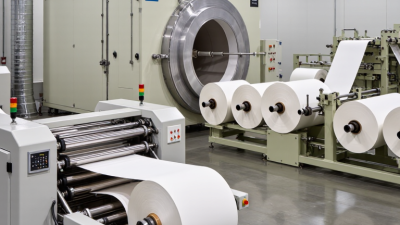
What Are the Top Types of Tissue Paper Machinery in 2026?
Tissue Paper Machinery covers more than the large machine that forms a paper web. In 2026, buyers commonly compare tissue machines, converting equipment, and the systems that connect them. The right choice depends on product grades, available floor space, fiber furnish, and production goals—not on a machine label alone. Details matter.
For tissue production, common designs include crescent-former, twin-wire, and through-air-drying machines. Each handles sheet formation and drying differently, affecting softness, bulk, strength, and energy use. Results also depend on pulp quality, machine settings, and operator experience. A specification sheet cannot tell the whole story. Some details only become clear during a mill trial.
Converting equipment turns parent reels into products people recognize on store shelves. Rewinders control roll dimensions and perforation; embossers add texture; folders make facial or napkin formats; and packaging lines prepare finished goods for shipment. A fast machine may still be a poor fit if changeovers take too long or spare parts are difficult to obtain. That deserves honest attention.
This guide examines the main types of Tissue Paper Machinery and explains where each fits in a production line. It also considers practical selection factors, including capacity, automation, maintenance access, and compatibility with existing equipment. “Top” does not mean identical for every mill. Comparing real operating needs can help buyers ask better questions and avoid investing in features they may rarely use.
Read more »
By:Oliver
- November 18, 2026
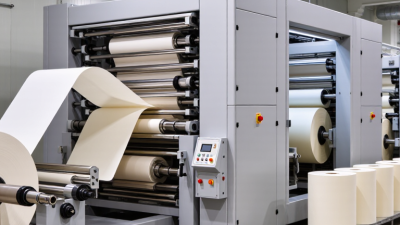
How to Choose the Best Tissue Making Machine?
Choosing the right Tissue Making Machine is a capital decision with consequences on every shift: sheet quality, energy use, downtime, and saleable output. A high-speed line can look impressive on a specification sheet. But speed alone does not guarantee lower cost per tonne. Smithers’ tissue-market reports examine demand, product grades, and market development; buyers can use this wider context to test whether a proposed line fits their target market. Check the report edition and scope before using any forecast: market estimates vary by region and product category.
Get specific. Compare furnish flexibility, basis-weight range, parent-roll width, changeover time, drying technology, and the supplier’s service coverage. Ask for operating data from a mill running a similar grade, not just a demonstration reel. A few minutes saved per changeover can matter. So can a machine’s ability to hold softness and strength across the sheet. Paper-science expert Martin A. Hubbe’s published work on fiber properties supports this practical takeaway, offered here as an editorial paraphrase rather than a direct quotation: “Choose around the fiber and the finished product, not the headline speed.” That distinction is easy to miss. It is also worth challenging your own assumptions: a familiar machine design may not suit a new furnish, workforce, or energy constraint. The best choice is the one whose verified performance matches your mill’s real operating conditions.
Read more »
By:Oliver
- November 18, 2026