Choosing the right Tissue Making Machine is a capital decision with consequences on every shift: sheet quality, energy use, downtime, and saleable output. A high-speed line can look impressive on a specification sheet. But speed alone does not guarantee lower cost per tonne. Smithers’ tissue-market reports examine demand, product grades, and market development; buyers can use this wider context to test whether a proposed line fits their target market. Check the report edition and scope before using any forecast: market estimates vary by region and product category.
Get specific. Compare furnish flexibility, basis-weight range, parent-roll width, changeover time, drying technology, and the supplier’s service coverage. Ask for operating data from a mill running a similar grade, not just a demonstration reel. A few minutes saved per changeover can matter. So can a machine’s ability to hold softness and strength across the sheet. Paper-science expert Martin A. Hubbe’s published work on fiber properties supports this practical takeaway, offered here as an editorial paraphrase rather than a direct quotation: “Choose around the fiber and the finished product, not the headline speed.” That distinction is easy to miss. It is also worth challenging your own assumptions: a familiar machine design may not suit a new furnish, workforce, or energy constraint. The best choice is the one whose verified performance matches your mill’s real operating conditions.
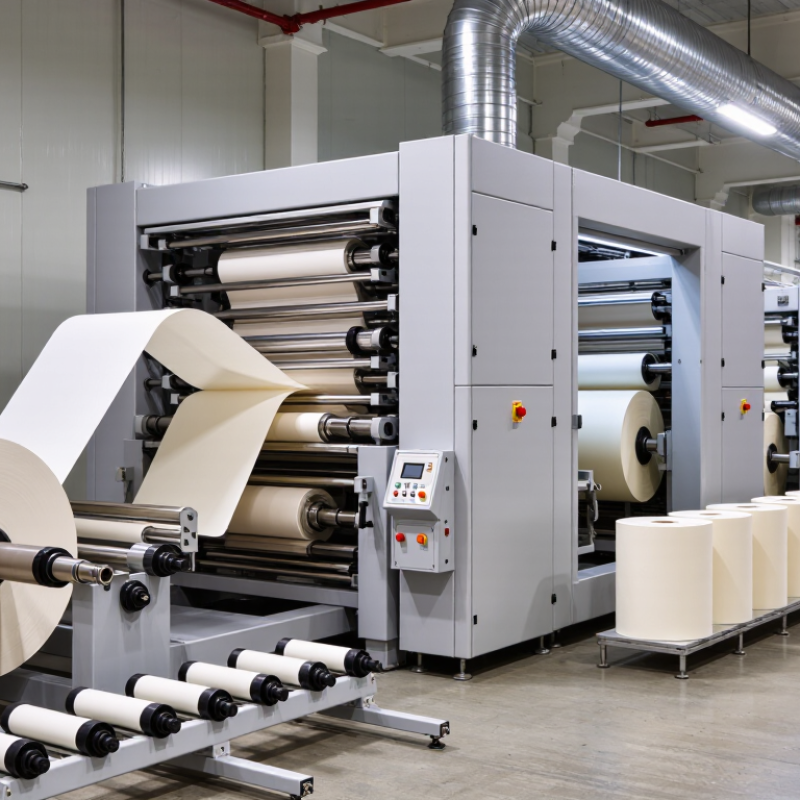
Before comparing tissue-making machines, define the product precisely: toilet tissue, facial tissue, napkins, or kitchen towels. Specify sheet size, ply, basis weight, softness, embossing, and target roll diameter. These choices affect the converting line, parent-roll width, and cutting setup. Smithers’ report, The Future of Tissue Manufacturing to 2028, forecasts global tissue demand to rise from about 44 million tonnes in 2023 to roughly 55 million tonnes by 2028. That growth does not guarantee demand for every grade. Match machine capacity to your own sales plan.
Then map the production requirements. Estimate finished packs per shift, planned operating hours, changeover frequency, and acceptable waste. Check whether the machine handles your required tissue grades and parent-roll dimensions. Ask for rated speed and expected output under comparable product conditions; rated speed alone can be misleading. Also review floor space, power, compressed air, operator training, and access for maintenance. A line that runs quickly on paper may be a poor fit if frequent format changes interrupt production. I would revisit the demand forecast before committing; estimates can age quickly.
Tips: Bring a sample roll and a written product specification to supplier discussions. Request a trial using your target grade, then record usable output, waste, and changeover time. Keep the results.
A tissue machine should match the product, pulp furnish, and planned output. A crescent former is common for household and away-from-home grades. It forms a web between a forming fabric and a felt, then transfers it to a heated Yankee dryer. The setup is relatively compact. It can produce consistent tissue, though softness and bulk depend on furnish, creping, and operating conditions.
Conventional machines use pressing to remove water before Yankee drying. This can reduce the drying load, but pressing may make the sheet denser. Through-air-dried machines pass heated air through the web instead. They can make bulky, absorbent tissue, but typically need more energy and a larger installation. The feel is different. Operators should compare measured absorbency and tensile strength, not rely on a machine label alone.
The manufacturing process also matters. Pulp is mixed with water, cleaned, and refined before forming. The wet web is drained, pressed or air-dried, creped from the Yankee, and wound into parent rolls. Converting equipment then cuts, embosses, folds, or perforates the tissue.
Small details count.
A mill with limited space may favor a compact line, while a premium bath tissue may justify evaluating TAD. Still, these are trade-offs, not guarantees; furnish quality, maintenance, and operator skill can change the result.
Choose a tissue machine around saleable output, not its headline speed. Estimate demand by grade, shift pattern, planned downtime, and converting limits. A jumbo roll is not useful if rewinding or packaging cannot keep pace. Check the machine’s stable operating range, changeover time, and trim-loss assumptions. Ask for trial data using your furnish and target basis weights. Small details matter.
Automation should match your crew’s skills and maintenance capacity. Sensors can track sheet breaks, moisture, and reel tension, but alarms need clear response procedures. Define quality targets for softness, bulk, strength, and basis-weight variation, then verify them with repeatable tests. A fast line with inconsistent rolls may create more waste downstream. Not glamorous, but costly.
Map steam, electricity, water, compressed air, and dust extraction before comparing proposals. The European Commission’s 2015 pulp-and-paper BAT reference reports roughly 600–1,100 kWh of electricity per tonne for tissue production, depending on process conditions. Treat that range as a benchmark, not a guarantee. Your grade, furnish, and equipment configuration can shift consumption. Meter actual loads where possible; utility estimates on paper can be optimistic. One uncomfortable question: can the site support peak demand during startup, not just normal production?
Choosing a tissue making machine means pricing its working life, not just comparing purchase quotes. Ask suppliers for guaranteed output, trim-loss assumptions, electricity use per tonne, water consumption, and planned maintenance hours. Build a five-year cost model covering commissioning, operator training, spare blades, consumables, and downtime. A low quote can still become expensive. Use measured production data, not optimistic estimates.
Safety deserves equal scrutiny. The U.S. Bureau of Labor Statistics reported 3.3 recordable injury and illness cases per 100 full-time workers in manufacturing in 2023. That figure is not tissue-machine-specific, but it shows why safeguards matter. Check guarding around rollers and rewinders, accessible emergency stops, and safe access for cleaning. Request a documented risk assessment aligned with ISO 12100, plus evidence that safety-related controls meet agreed performance requirements. A certificate alone is not enough; inspect the actual machine layout.
Supplier support affects uptime after installation. Ask for written response times, local technician coverage, spare-part lead times, and remote diagnostics arrangements. Request references from plants running similar grades and speeds. Review what the service contract excludes, too. One awkward question: who pays when a repeated fault falls between the machine and control-system scopes? It is better to settle that before commissioning. During acceptance testing, record output, sheet quality, energy use, and stoppage causes, then compare them with the contract guarantees.
A tissue making machine can look impressive in a showroom, but its value becomes clear under your operating conditions. Request a sustained trial with the pulp blend, sheet width, and basis weight you plan to use. Watch the web as it leaves the forming section. Uneven edges, pinholes, or repeated breaks may reveal weaknesses that a brief demonstration misses. Measure saleable output, not just the speed displayed on the control panel. Keep notes. Track hourly output, reject rates, energy use, and changeover time across several shifts. Check samples for softness, absorbency, and consistent winding, using the same inspection method each time.
Set written performance targets before the trial, including acceptable product variation and downtime. Ask how the machine behaves during startup, grade changes, and minor operating interruptions. One test is not enough. Review maintenance requirements, spare-part availability, and operator training needs alongside production results. If possible, speak with operators who use similar equipment, and ask what routine tasks take longer than expected. A polished test run can still hide practical friction. Compare trial records with the supplier’s stated figures, and investigate any unexplained gaps. Your final choice should reflect repeatable results on your materials, not a promise made under ideal conditions.
Specify toilet tissue, facial tissue, napkins, or kitchen towels. Include sheet size, ply, basis weight, softness, embossing, and target roll diameter.
They influence converting equipment, parent-roll width, and cutting setup. A small specification change can matter.
Estimate packs per shift, operating hours, changeovers, and acceptable waste. Check floor space, power, compressed air, and maintenance access.
No. Request expected output for comparable products and conditions. Measure saleable output, not only the control-panel speed.
Use your planned pulp blend, sheet width, and basis weight. Track output, rejects, energy use, and changeover time across several shifts.
Look for uneven edges, pinholes, and web breaks. Check samples for softness, absorbency, and consistent winding.
These conditions can reveal downtime or practical friction. One test is not enough.
Record usable output, waste, and changeover time. Compare trial results with stated figures, and investigate unexplained gaps.
No. The article forecasts growth from about 44 million tonnes in 2023 to roughly 55 million by 2028. Forecasts can age quickly.
Choosing the best Tissue Making Machine starts with a clear definition of your product and production goals, including tissue type, sheet size, ply, output volume, and expected quality. Compare machine types and manufacturing processes to find an option suited to your materials, available space, and operating plans. Consider how capacity and automation will affect staffing, workflow, and the ability to meet future demand, while also checking quality controls and requirements for power, water, and other utilities.
Look beyond the purchase price to assess installation, maintenance, energy use, safety features, and supplier support. Confirm that the machine can meet your specifications by reviewing performance data, inspecting sample products, and arranging a suitable test or demonstration before making a final choice. A careful evaluation of these factors can help you select equipment that fits your production needs and supports reliable, efficient operation over time.