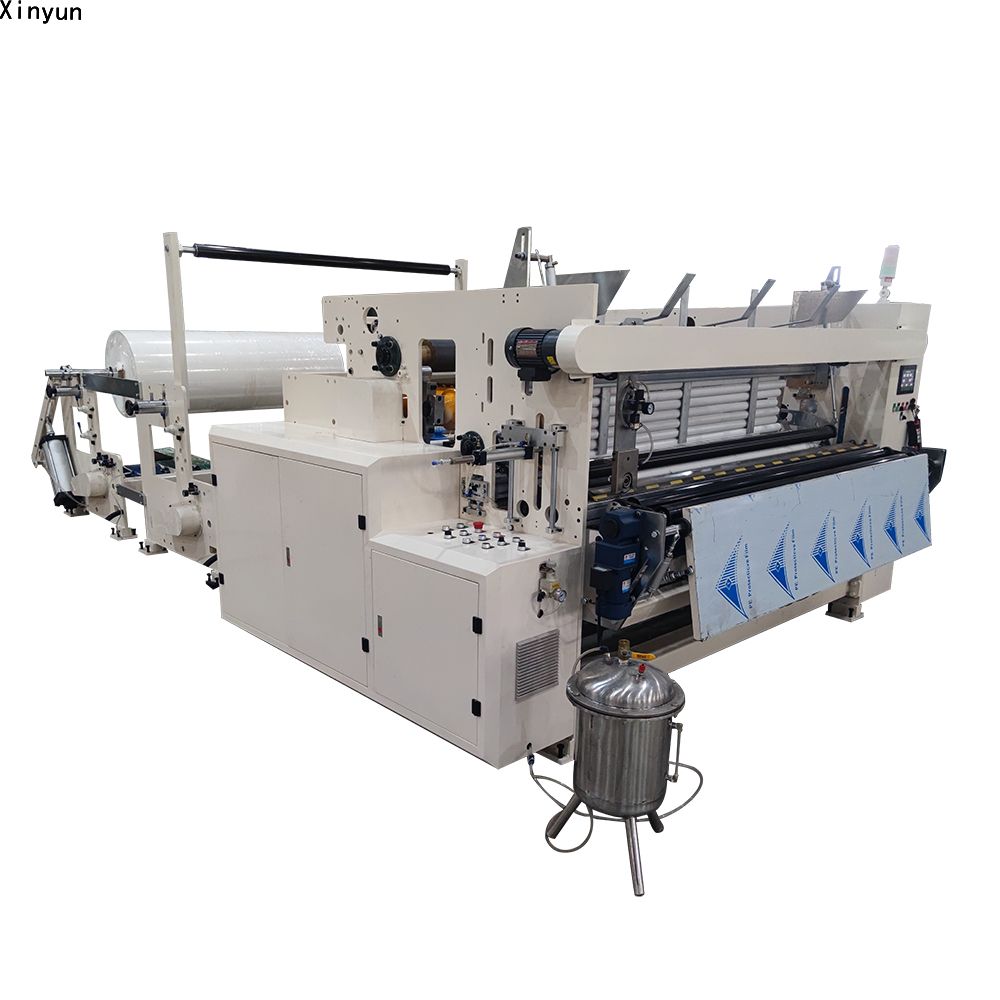
Toilet Paper Machine
XY-TQ-B Automatic Mini Center-Pull Toilet Paper Rewinding Machine
Compact rewinder for center-pull rolls used in dispensers — a practical entry point for new converting plants.
View More
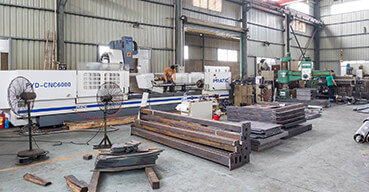
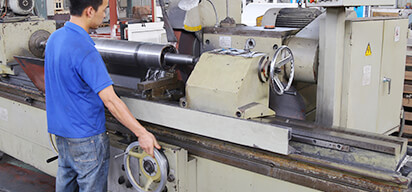
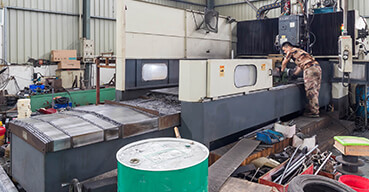
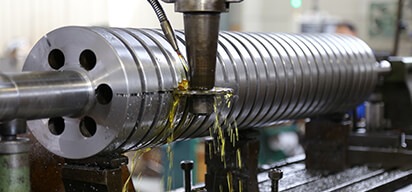
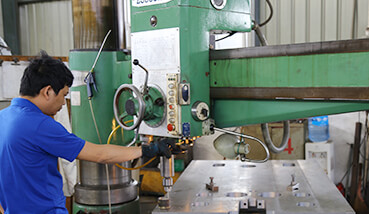
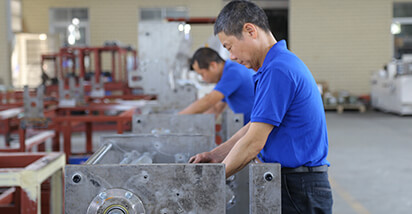
Key parts machined in-house for consistent quality and shorter lead times.
Rewinding, folding, embossing, cutting and packing matched by output.
Installed for converters in the Middle East, Africa, South America and Europe.
Watch real machines run before you commit to a configuration.
From compact center-pull rewinders for start-ups to fully automatic facial tissue lines for brand owners, every machine is specified around your finished product and target output.
Compact rewinder for center-pull rolls used in dispensers — a practical entry point for new converting plants.
View More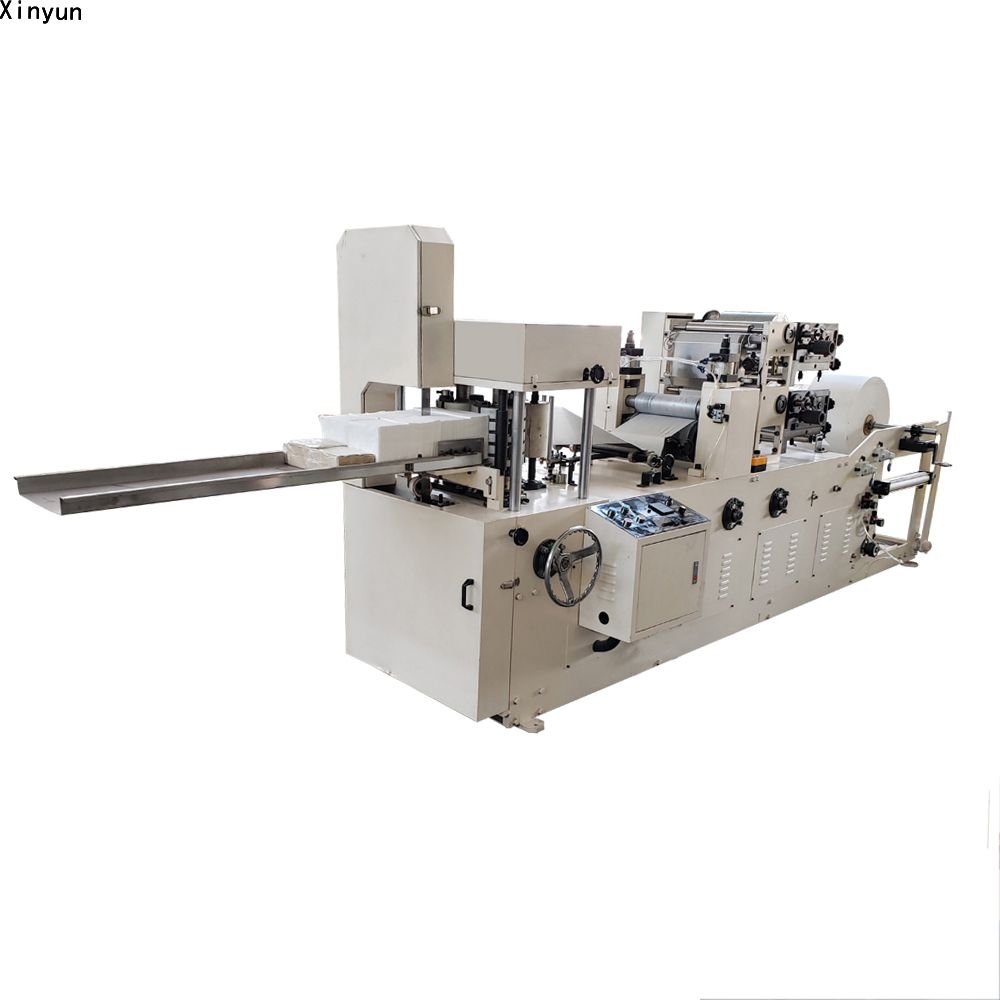
Embosses, prints and folds napkins in one pass for hotel, restaurant and private-label orders.
View More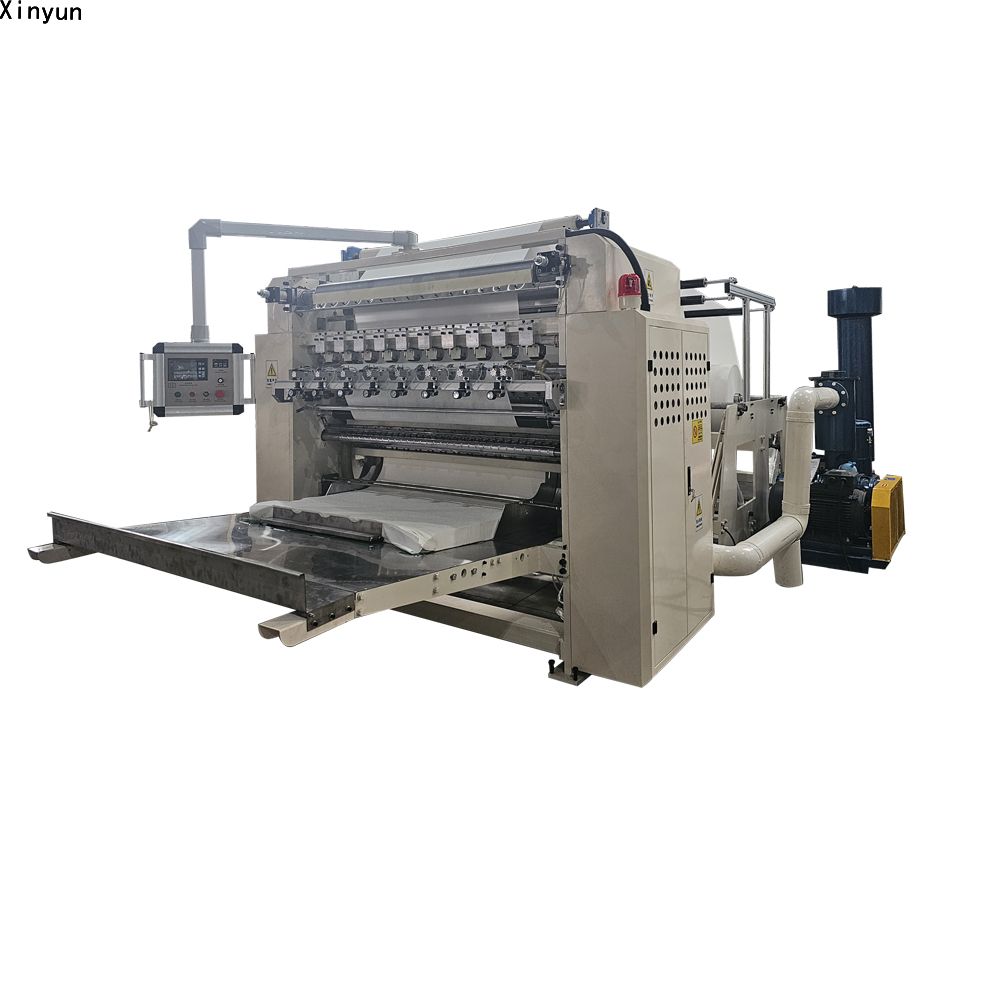
Custom emboss patterns and folding lanes to match your pack count and brand identity.
View More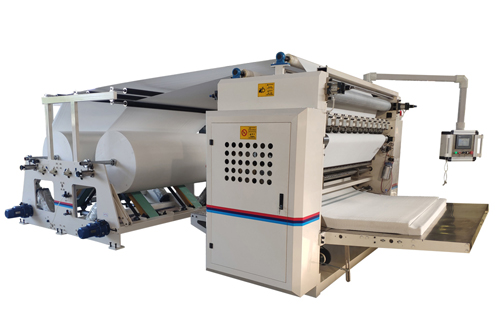
Automatic interfolding and counting for soft-pack and box facial tissue production.
View MoreArabia Industrial Tissue Equipment LLC is a specialist supplier of tissue paper converting machinery: toilet paper machines, napkin machines, facial tissue machines, hand towel machines, pocket tissue machines, tissue log cutters, packing machines and complete production lines.
Our own processing center controls machining quality and delivery time. Each project starts from the buyer's finished product — roll size, sheet count, fold pattern and packing format — so the rewinder, cutter and packer work at matched speeds instead of creating bottlenecks.
Most underperforming lines are bought on machine speed alone. These steps, drawn from our commissioning experience, help you size equipment by what you can actually sell.
Fix the number of finished rolls or packs required per shift. Work back through roll length, rolls cut per log, real running time and quality yield before comparing rewinder speeds.
For napkins, state the fully opened sheet size, the folded size and the fold pattern as three separate fields. Ambiguous sizes are the most common cause of wrong tooling.
For facial tissue, confirm output per folding lane, then check that parent web width, the log cutter and the packing machine support that rate. Lane count alone is not capacity.
Choose manual cutters for low volume and band saw cutters for continuous lines, then size wrapping machines so downstream packing never limits upstream production.
Clear answers for plant owners, procurement managers and distributors evaluating tissue paper machines.
Talk to an EngineerThe range covers household toilet rolls, center-pull and maxi/jumbo rolls, kitchen towels, folded napkins with embossing and color printing, soft-pack and box facial tissue, hand towels and pocket tissue — plus core making, log cutting and wrapping equipment.
Start from the saleable finished packs or rolls needed per shift, then work back through roll length or sheet count, units cut per log, available running time and expected quality yield. Only then compare machine speeds.
Yes. A line can run from parent roll unwinding and rewinding or folding, through embossing, lamination and printing, to log cutting with manual or band saw cutters and final single-roll or bundle packing.
Parent roll width and diameter, paper basis weight and ply, finished product dimensions, fold or emboss pattern, packing format, target output per shift, and your local voltage and frequency.
Yes. Operation videos of rewinding, core making, cutting and wrapping machines are available on our video page, and live demonstrations of a confirmed configuration can be arranged.
Work back from accepted finished packs: define tissues per pack, confirm single-lane output, then check whether parent web width, cutter and packing machine support that rate. Lane count alone does not establish saleable output.
Write the fully opened sheet dimensions, the finished folded dimensions and the fold pattern as three separate fields to avoid tooling errors and costly re-work.
Start with saleable toilet rolls required per shift, then work back through roll length, rolls cut from each log, available production time and quality yield.
From machine selection to workflow layout, careful planning prevents the pitfalls that hurt productivity, cost and overall project success.
Send your product specification and target output — our engineers will recommend a matched configuration.
[email protected]