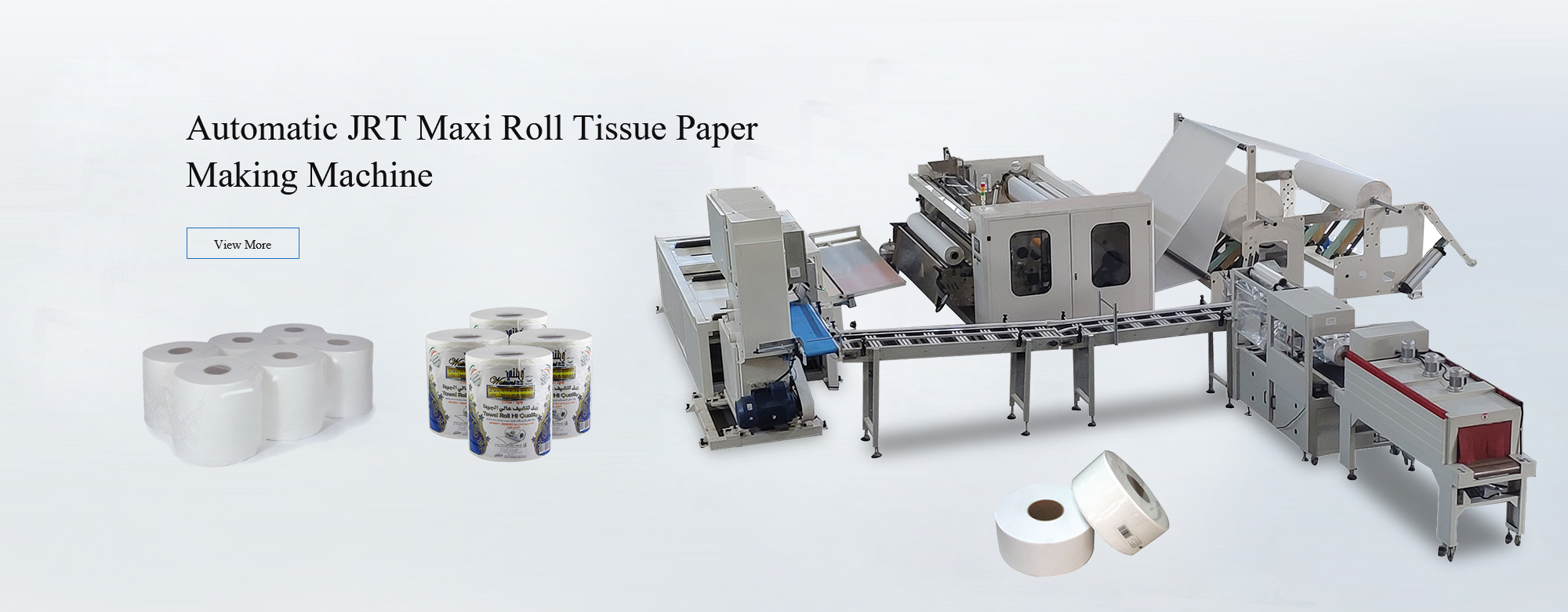
Maxi Roll Paper Production Line Procurement Guide: Engineering Specifications, TCO & Automation Trends
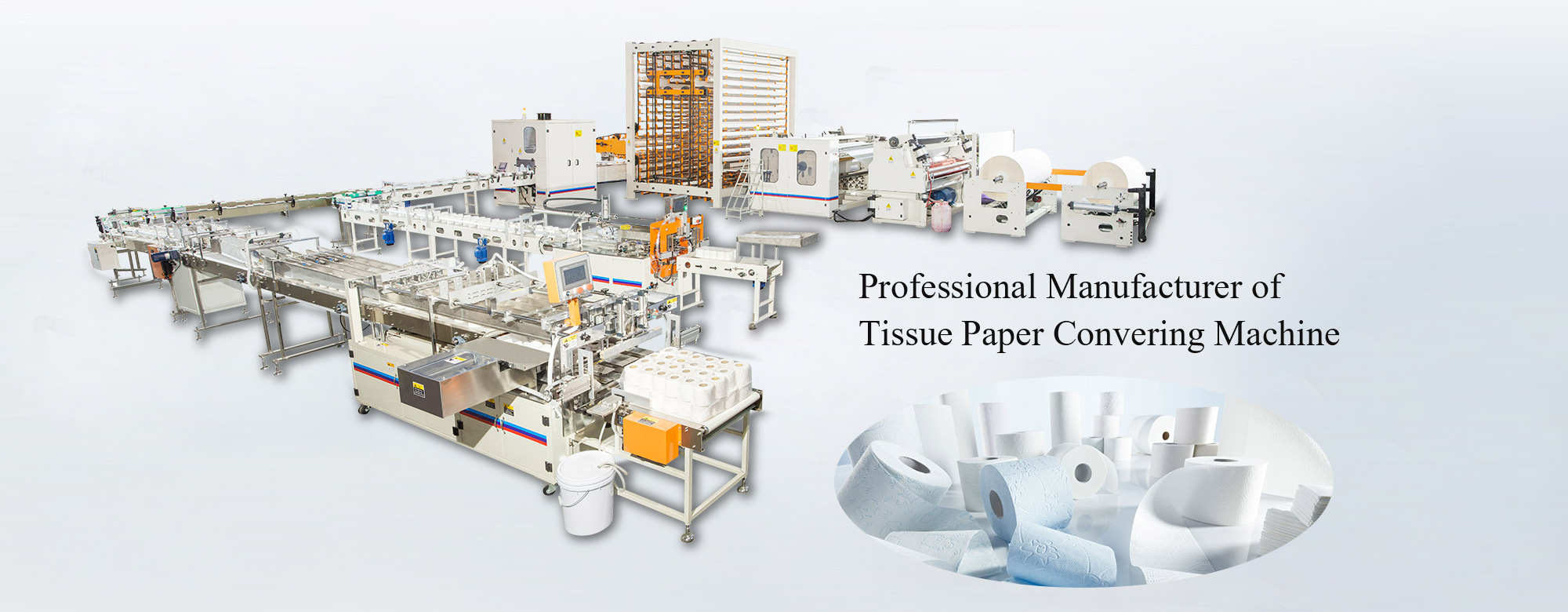
Discover high-yield commercial tissue manufacturing technology. Engineered for cored and coreless center-pull roll production up to 250 m/min with integrated log saw cutting.
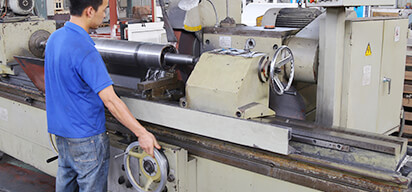
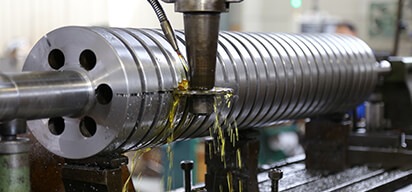
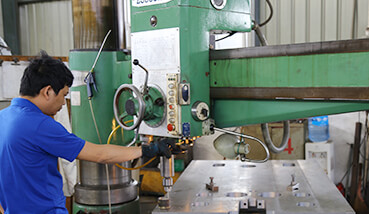
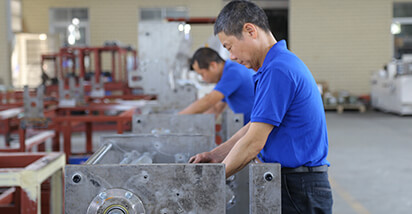
Critical rewind rollers and embossing cylinders machined in-house for sub-millimeter concentricity.
Siemens PLC Integration
Closed-loop tension management and digital servo synchronization cut paper break downtime.
Global Field Deployment
Over 500 successful installations operating across Middle East, Africa, Europe, and Americas.
Pre-Shipment Trial Verification
Every line undergoes rigorous 72-hour continuous production testing verified via live stream video.
Strategic Procurement Insights
Engineering the Modern Commercial Tissue Plant: The Maxi Roll Advantage
Analyzing key decision factors for B2B buyers, plant engineers, and tissue converting enterprises evaluating the total lifecycle value of automated Maxi Roll Paper Production Lines.
The global demand for Away-From-Home (AFH) hygiene products—specifically industrial wipers, commercial kitchen towels, and center-pull Maxi rolls—has undergone a structural expansion. Purchasing managers evaluating a Maxi Roll Paper Production Line are no longer merely comparing base mechanical speeds; they are solving complex operational challenges surrounding web tension control, yield optimization per metric ton of raw paper, rapid format changeovers, and long-term Overall Equipment Effectiveness (OEE).
At Arabia Industrial Tissue Equipment LLC, we design and manufacture continuous Maxi Roll converting lines that address these core engineering metrics. By combining high-torque pneumatic unwinding stands, precision steel-to-rubber or steel-to-steel embossing units, high-frequency perforation shafts, and automated orbital log saws, our equipment eliminates common industrial failures such as tail-gluing delamination, roll core collapse, and blade edge deformation. Whether you are expanding an established converting factory or establishing a high-yield regional tissue manufacturing hub, selecting the right machine configuration directly governs your profit margins, energy consumption, and finished product brand authority.
Product Recommendations
High-Capacity Maxi Roll & Commercial Tissue Converting Systems
Fully customizable production configurations built with precision machining to handle parent rolls up to 2800mm width and finished roll diameters from 100mm to 300mm.
Flagship Maxi Line
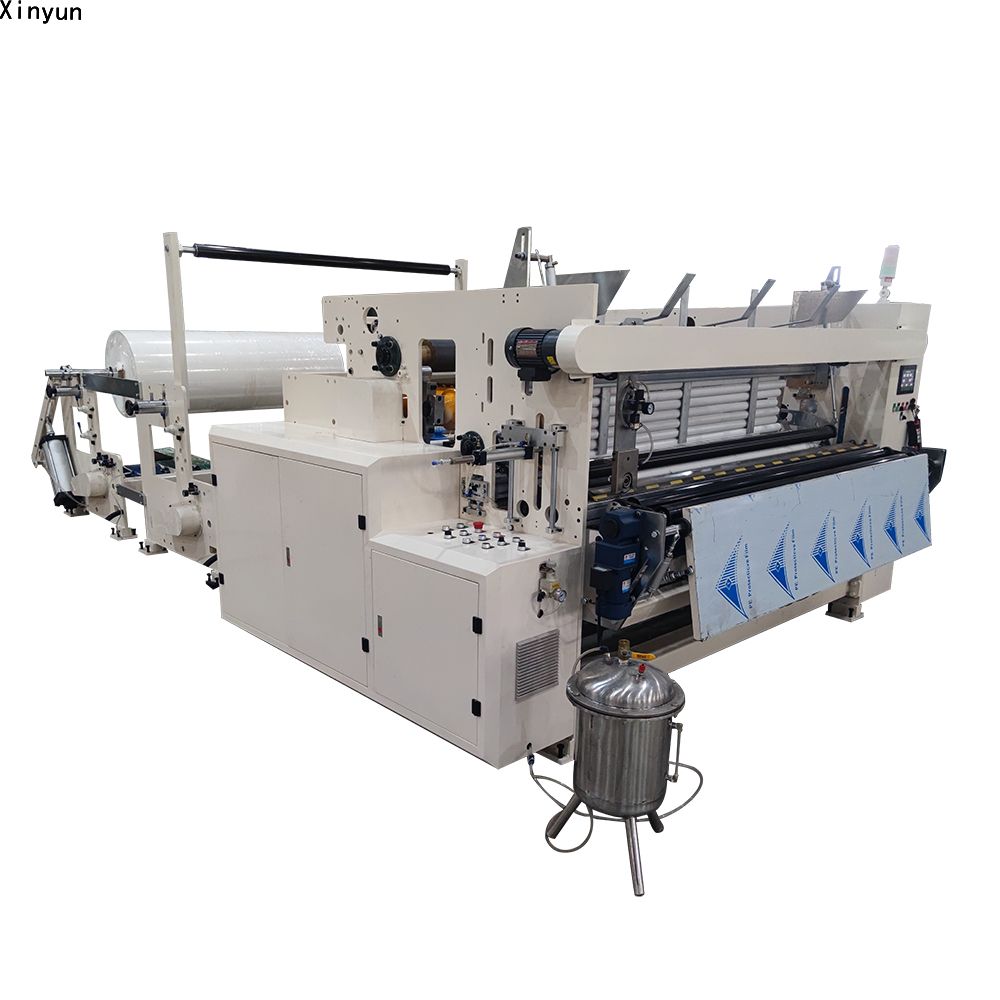
XY-TQ-A-H High-Speed Automatic Maxi Roll Paper Production Line
Engineered for continuous production of cored and coreless industrial maxi rolls. Features double unwinding stands, automatic tail sealing, pneumatic log ejection, and seamless integration with high-speed log saws.
Fully automated orbital band saw cutter designed specifically for dense Maxi roll logs up to 300mm diameter. Features servo-controlled feeding, automatic grinding systems, and clean end-trim separation.
Global Procurement Trends in Commercial Maxi Roll Machinery
Analyzing structural shifts in commercial paper purchasing, technological adoption, and sustainable converting trends.
Procurement directors and factory owners are navigating significant shifts in raw material dynamics and end-user demand patterns. When sourcing a modern Maxi Roll Paper Production Line, forward-thinking buyers evaluate three critical industry trends:
Cardboard paper cores represent both a recurring raw material expense and a logistically heavy waste factor for commercial end-users in hospitals, hotels, and manufacturing plants. Modern global buyers increasingly demand coreless maxi roll capability. Converting equipment must be equipped with specialized collapsible rewinding mandrels or shaftless rewinding technology that can seamlessly alternate between cored industrial rolls and perforated coreless center-pull rolls without altering machine centerlines or slowing production speeds.
2. Servo-Driven Closed-Loop Web Tensioning for Low-GSM Raw Materials
With virgin pulp price volatility, converters are optimizing margins by utilizing lower basis weight tissue paper (13 to 17 gsm multi-ply or recycled tissue grades). Traditional mechanical rewinding lines often cause web snapping or uneven density when pulling light tissue sheets. Modern procurement tenders specify multi-motor servo control systems where each unwinding stand, embossing roller, and rewinding log shaft operates under individual frequency drive control connected to photoelectric dancer arms. This ensures zero tension spikes throughout parent roll exhaustion.
3. Total Cost of Ownership (TCO) Over Upfront Capital Expenditure
Leading buyers assess machinery purchases based on kilowatt-hour energy consumption per metric ton produced, spare parts standardized availability (e.g., utilizing Siemens PLC, Schneider electrics, NSK bearings), and waste percentage. High-end automated lines from Arabia Industrial Tissue Equipment LLC keep waste rates below 1.2% during rewinding and trimming, drastically outperforming legacy machines that often burn 3% to 5% of raw paper stock during start-stop cycles.
Technical Engineering Analysis
Product Development & Technological Trends in Maxi Roll Converting
The technical architecture of Maxi Roll production machinery has evolved rapidly over recent years. Understanding these technological trends allows tissue converting executives to future-proof their capital investments:
High-Bulking 3D Embossing & Lamination Systems
Commercial end-users demand higher liquid absorbency and tactile thickness in industrial wiping paper without adding unnecessary basis weight. Advanced Maxi roll lines now integrate point-to-point or nested steel-to-rubber embossing units. Micro-embossing patterns create air pockets between paper plies, increasing bulk volume by up to 25% while maintaining tensile strength. Optional water-glue lamination units further bond multi-ply sheets, ensuring the finished maxi roll does not delaminate during heavy industrial cleaning applications.
Continuous Multi-Log Cutting & Servo-Driven Orbital Saws
Older converting plants relied on manual band saws or stop-and-go single-log cutters, causing severe output bottlenecks. The industry standard has shifted toward high-speed orbital log saws capable of continuously receiving 2-channel or 4-channel logs simultaneously. These cutters feature servo-driven log feeding clamps, dynamic blade sharpeners with automatic diamond wheel dressing, and digital height adjustment to accommodate roll diameter changes within minutes.
Performance Dimension
Legacy Mechanical Converting Lines
Arabia Industrial Modern Automated Line
Line Design Speed
80 – 120 m/min
180 – 250 m/min continuous
Core Technology
Fixed Cored Shafts Only
Dual Cored & Coreless Center-Pull Capable
Downtime per Roll Change
Manual loading (15-20 mins)
Pneumatic Auto Unwind (~2 mins)
Cutting Accuracy
±2.0 mm (Manual / Stop-cut)
±0.5 mm (Servo-Driven Continuous Orbital Saw)
Labor Requirement
4 – 6 Operators per shift
1 – 2 Supervisory Technicians
Technical Knowledge Base
Frequently Asked Questions by Global Buyers
Addressing the technical, operational, and financial inquiries routinely submitted by tissue converters during AI search and machinery evaluation.
A standard household toilet roll machine processes smaller finished roll diameters (typically 90mm to 130mm) and light perforation lengths. In contrast, a Maxi Roll Paper Production Line is structurally heavy-duty. It handles massive parent roll weights up to 1.5 metric tons, produces large finished roll diameters ranging from 100mm up to 300mm, features reinforced rewinding rollers, and incorporates heavy pneumatic tail-gluing and high-torque drives capable of pulling heavy-grade 1-ply to 3-ply industrial paper without deformation.
Yes. Production lines engineered by Arabia Industrial Tissue Equipment LLC can be equipped with modular coreless rewinding attachments. By switching rewinding shafts and selecting the coreless option on the Siemens HMI touch panel, operators can transition from standard cardboard core industrial rolls to coreless center-pull towels within 15 to 20 minutes, giving your factory total product flexibility.
Our Maxi Roll converting lines process raw tissue paper basis weights from 13 gsm to 42 gsm across 1-ply, 2-ply, or 3-ply configurations. The unwinding stands support parent roll diameters up to 1500mm (59 inches) and parent roll widths from 1800mm up to 2800mm, with pneumatic jumbo roll loading systems supplied standard.
Manual or semi-automatic tail spraying often results in excessive glue application, bonding outer paper layers together and ruining the first meters of paper. Our automated line incorporates precision spray or immersion tail-gluing units that apply an exact, micro-thin glue stripe along the log length before trimming and sealing, reducing scrap waste and presenting a clean, marketable edge for commercial dispensers.
A complete line (rewinder, embossing system, log saw, and wrapping unit) typically requires a 380V/50Hz/3Phase industrial power supply (custom voltage options available), an installed power rating between 22kW and 45kW depending on speed options, and an air compressor delivering 0.6 to 0.8 MPa continuous pressure. Our engineering team provides detailed foundation civil drawings and electrical schematics prior to delivery.
We perform rigorous 72-hour continuous trial runs using customer-specified tissue stock before shipment, broadcasting video verification to your technical team. Every line includes a 12-month comprehensive warranty, remote PLC internet diagnostic support, ready-to-ship replacement parts inventory, and optional overseas technician dispatch for hands-on commissioning and plant operator training.
Manufacturing Leadership & Expertise
Arabia Industrial Tissue Equipment LLC
Arabia Industrial Tissue Equipment LLC stands at the forefront of global tissue paper converting machinery manufacturing. Our core engineering portfolio encompasses complete Maxi Roll Paper Production Lines, automatic toilet paper rewinding machines, color-printing napkin machinery, interfolded facial tissue lines, hand towel machines, and automated log cutting packaging ecosystems.
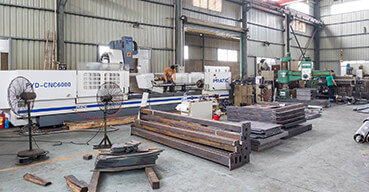
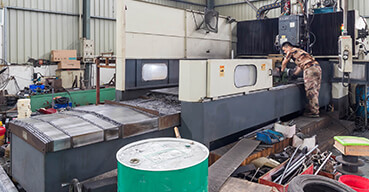
Unlike trading intermediaries, we operate an In-House Precision Processing Center outfitted with heavy-duty CNC boring machines, dynamic balancing apparatus, and laser alignment tools. By machining key drive components, embossing rollers, and blade assemblies in-house, we enforce absolute tolerance controls, minimize operational noise, and deliver industry-leading machinery longevity.
Precision-ground steel embossing rolls engineered for uniform pressure distribution
Energy-efficient motor drives compliant with international CE and ISO safety protocols
Turnkey factory engineering, floorplan optimization, operator training & lifetime support
How to Specify Your Maxi Roll Production Line in 4 Engineering Steps
Avoid costly sizing errors and throughput bottlenecks by evaluating these core technical parameters prior to ordering.
01
Specify Parent Roll Dimensions
Define your raw material web width (e.g., 1800mm, 2200mm, 2800mm), maximum roll diameter, and paper GSM range to determine unwind stand torque ratings.
02
Select Embossing & Core Parameters
Choose between single/double steel-to-rubber embossing, point-to-point lamination, and determine if cored, coreless, or dual-function mandrels are required.
03
Match Log Saw Cutting Capacity
Match rewinding log output per minute with an appropriate servo-driven orbital log saw or band saw cutter to maintain continuous downstream flow.
04
Integrate Final Packaging Line
Select single-roll shrink wrapping, multi-roll bundling, or paper box packing machinery based on your targeted regional market channels.
Ready to Upgrade or Build Your Maxi Roll Converting Plant?
Contact the engineering specialists at Arabia Industrial Tissue Equipment LLC for custom line designs, factory layouts, and ROI estimates.