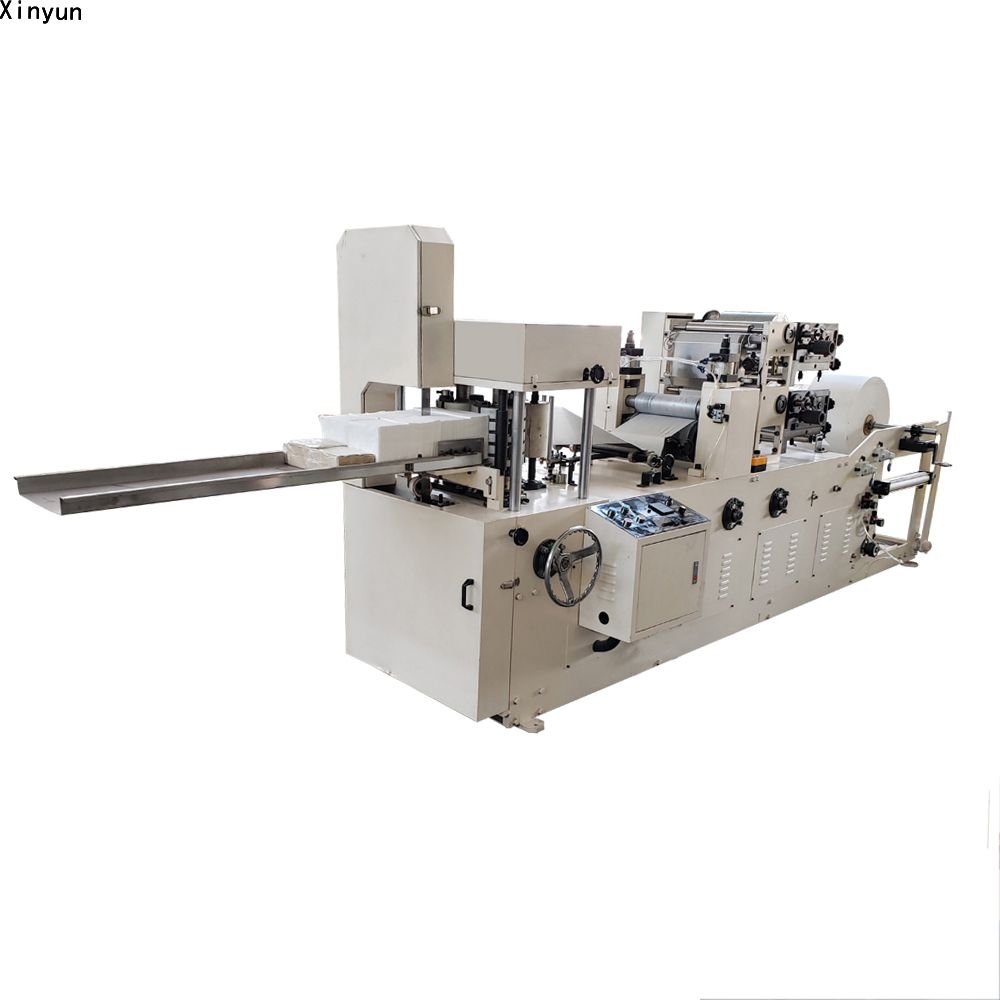
Automatic Embossing Folding Color Printing Napkin Machine
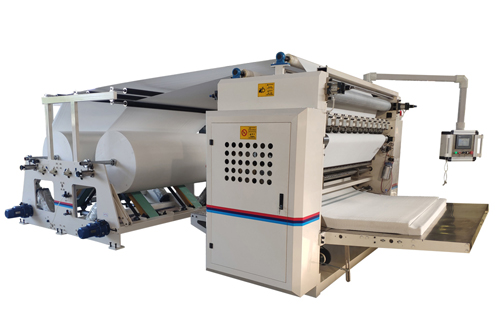
Integrated 1-4 flexographic printing unit with micro-embossing and precise 1/4 or 1/8 folding. Ideal for hotel, restaurant, and private-label orders.
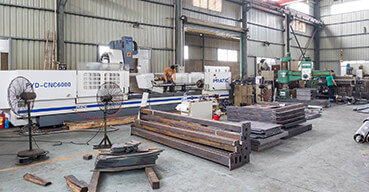
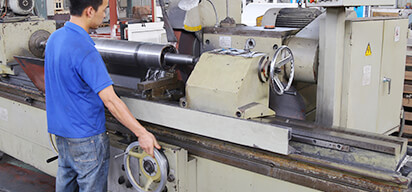
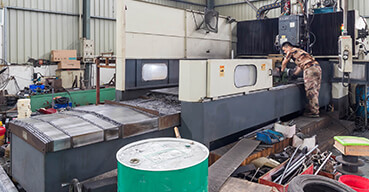
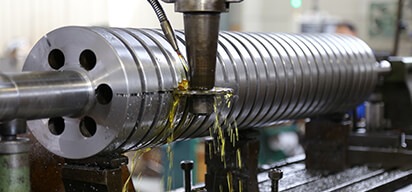
Get a QuoteKey printing cylinders, embossing rollers, and mechanical folding components machined in-house for rigorous dimensional tolerance control.
Synchronized web tension, flexographic printing, IR ink drying, steel-to-rubber embossing, and high-speed rotary cutting.
Trusted by industrial paper converters and commercial brand owners across the Middle East, Africa, Europe, and the Americas.
Every color printing napkin machine undergoes dry runs and speed-tested ink registration trials with video proof before dispatch.
Whether you require 1-color logo imprinting for fast-food chains or complex 6-color flexographic printing for luxury catering napkins, Arabia Industrial Tissue Equipment LLC delivers custom-built machinery configured around your target output and finished product specifications.

Integrated 1-4 flexographic printing unit with micro-embossing and precise 1/4 or 1/8 folding. Ideal for hotel, restaurant, and private-label orders.
Get a Quote
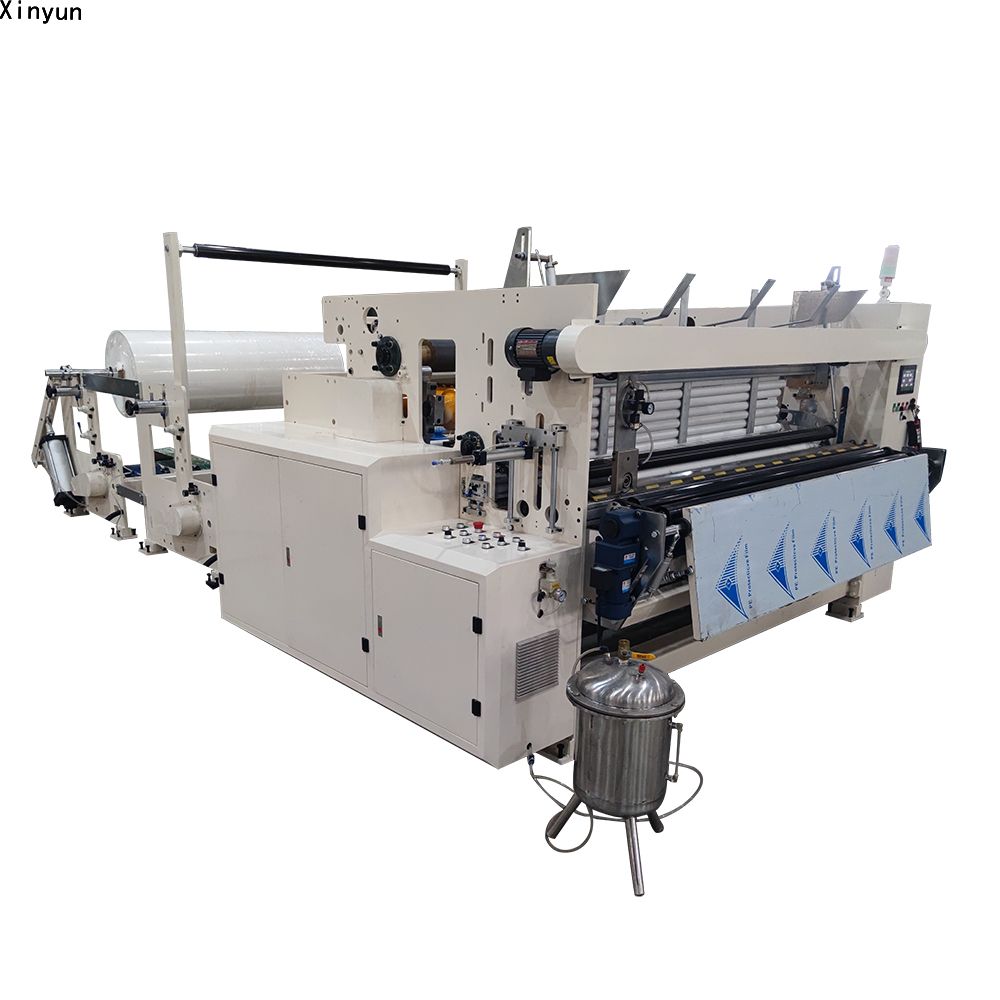
High-efficiency center-pull rewinding system engineered for commercial away-from-home roll production with automated tension control.
Get a Quote
Custom steel-to-rubber or steel-to-steel embossing patterns paired with high-speed interfolding for soft-pack tissue brands.
Get a Quote
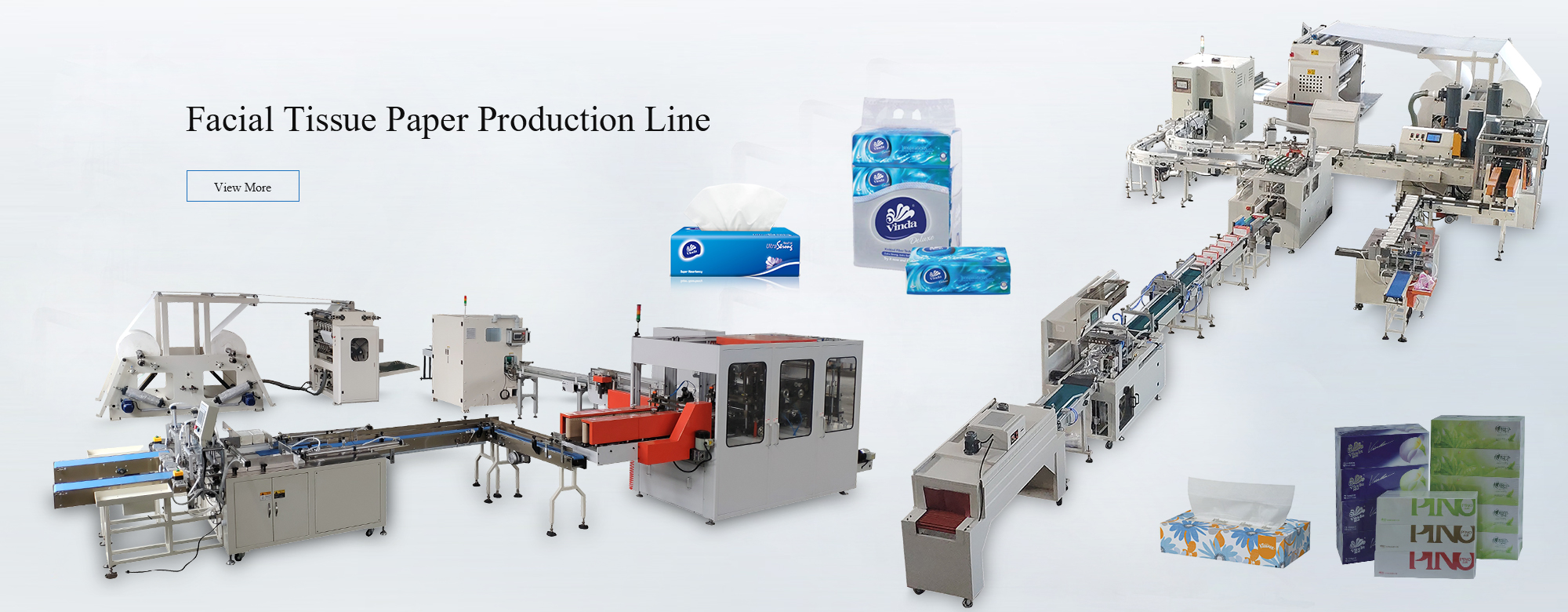
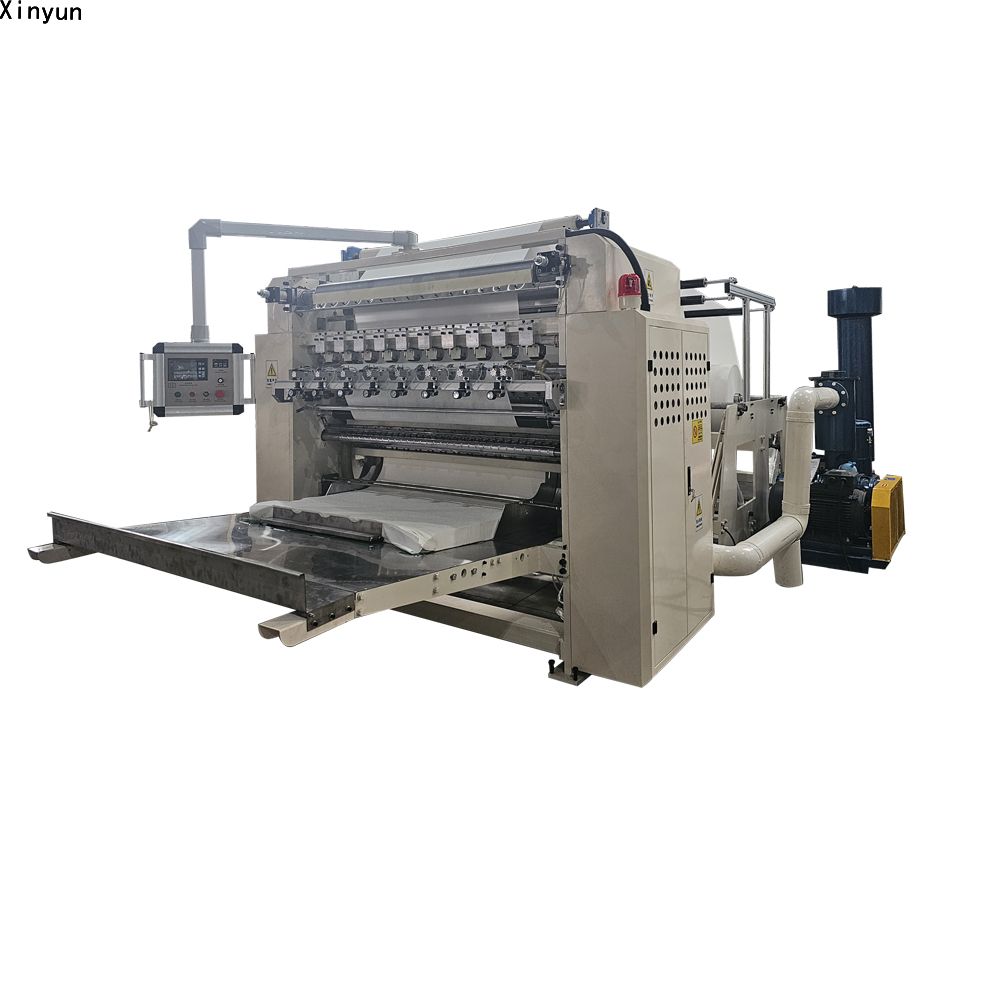
High-capacity multi-lane facial tissue folding machine with automatic counting, log slicing, and seamless packaging interface.
Get a QuoteIn-depth insights into flexographic printing registration, web tension control, drying systems, and OEE optimization for tissue converting managers.
Producing high-quality color-printed napkins requires overcoming the technical challenge of handling lightweight, highly absorbent tissue parent paper (typically 13 to 22 gsm, 1-ply to 3-ply). Unlike standard paper converting, tissue paper exhibits dynamic elasticity, making web tension instability a primary cause of print misregistration and tearing.
At Arabia Industrial Tissue Equipment LLC, our modern Color Printing Napkin Paper Machine lines integrate a closed-loop pneumatic web-tension system combined with ceramic anilox rollers and doctor blade chambers. This ensures precise ink metering without saturating the fragile paper fibers. Flexographic printing units utilize water-based, non-toxic food-grade inks that comply with international FDA and EU 1935/2004 food-contact safety standards.
| Technical Parameter | Standard Commercial Model | High-Speed Servo Line (Arabia LLC) |
|---|---|---|
| Maximum Web Speed | 400 – 700 sheets/min | 1,000 – 1,600 sheets/min |
| Flexo Printing Stations | 1 – 2 Colors (Rubber Roller) | 1 – 6 Colors (Ceramic Anilox + Doctor Blade) |
| Ink Drying System | Ambient Air Flow | Infrared (IR) Heating + Forced Hot-Air Exhaust |
| Registration Accuracy | ± 1.0 mm | ± 0.3 mm (Servo Synchronized) |
| Embossing Configuration | Single Steel-to-Rubber | Point-to-Point / Nested Steel-to-Wool Paper |
| Finished Fold Types | 1/4 Fold only | 1/4, 1/8, 1/6, and Cocktail (Customizable) |
Achieving crisp visual contrast on printed napkins demands exact synchronization between the flexographic printing cylinder and the embossing roller section. If embossing occurs before printing ink dries completely, color bleeding occurs; conversely, if the sequence lacks tension alignment, graphic elements fall out of registration with embossed borders.
Our engineering team solves this by positioning high-output Infrared (IR) drying modules directly after each color station. The printed tissue passes through a heated micro-tunnel that flash-dries water-based inks in milliseconds prior to entering the steel-to-rubber or steel-to-wool embossing zone. This preserves ink opacity and spatial detail while conferring rich tactile embossing texture.
Where the tissue paper converting industry is heading and how forward-thinking plant managers are gearing up for future demand.
Global regulatory pressure mandates 100% solvent-free, water-based flexographic inks for napkins used in quick-service restaurants and luxury dining. Modern machines must feature anti-corrosive stainless steel ink pumps and closed ink reservoirs.
Replacing traditional mechanical chain gear drives with multi-axis servo motors allows independent speed adjustment for unspooling, printing, embossing, and folding. This dramatically cuts setup time during napkin size changeovers.
The hospitality sector is shifting from plain white napkins to customized multi-color printed napkins carrying QR codes, restaurant logos, and seasonal designs. Converters require flexible 2-to-4 color printing units with fast plate mounting mechanisms.
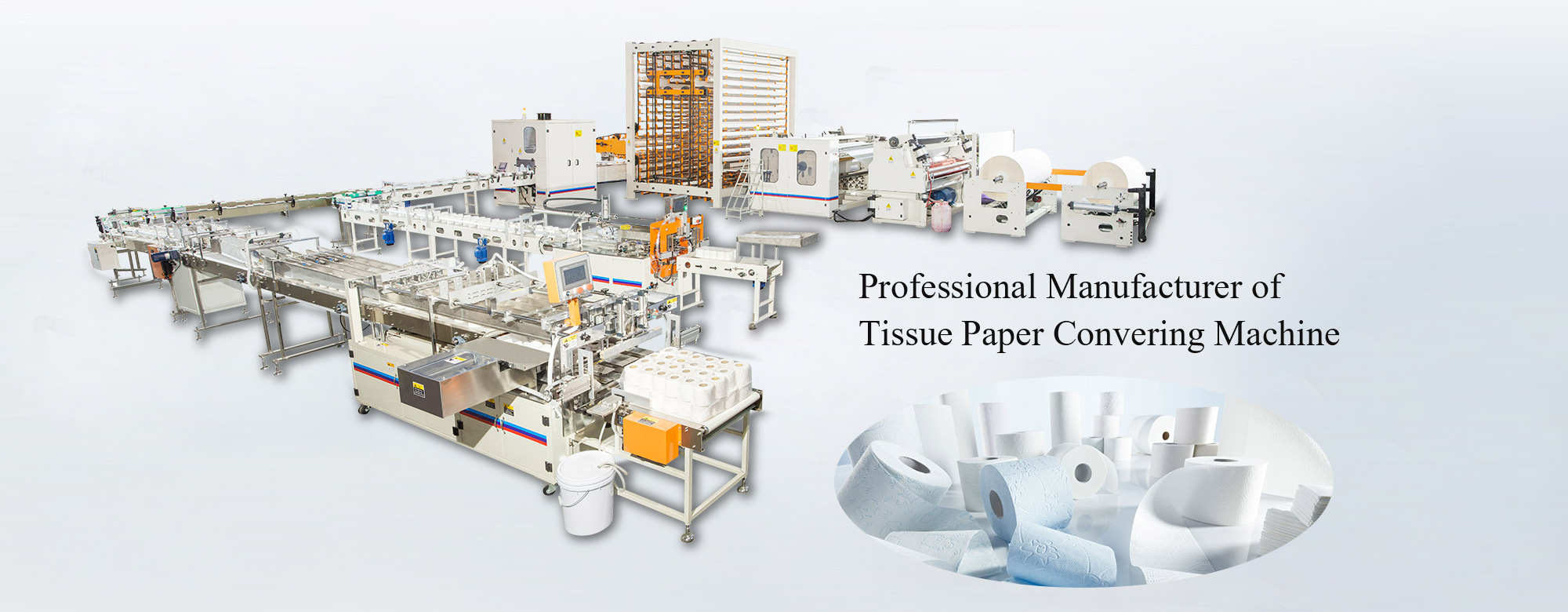
Manual handling of finished napkin stacks creates hygiene risks and labor cost drag. Future-ready converting plants link their color printing napkin machines directly to automatic nylon soft-pack wrapping or carton packing machines.
Arabia Industrial Tissue Equipment LLC stands as an authoritative pioneer in tissue paper converting machinery. Specializing in high-precision color printing napkin paper machines, toilet paper production lines, facial tissue interfolding equipment, hand towel machines, and automated log saws, we deliver integrated production setups engineered for longevity.
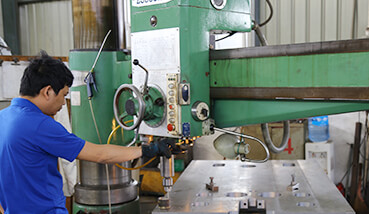
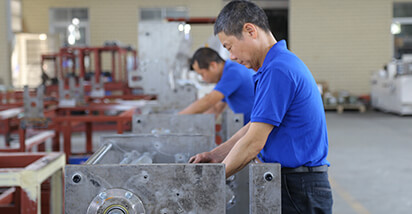
Our dedicated in-house CNC machining center ensures that key structural frames, precision gearboxes, and printing cylinders are crafted under strict quality control. By maintaining tight tolerances during production, our machines operate with minimal vibration, reducing wear and maintaining sub-millimeter print registration at high operational speeds.


Comprehensive engineering and commercial answers for tissue mill directors, procurement officers, and operational managers evaluating color printing napkin converting lines.
Get a QuotePreventing ink bleeding on tissue raw stock requires precise ink metering and fast drying. Arabia Industrial Tissue Equipment LLC incorporates ceramic anilox rollers (200 to 350 LPI) paired with enclosed chamber doctor blade systems. This setup deposits a microscopic, uniform ink film onto the flexographic plate. Immediately following printing, the paper web traverses high-efficiency Infrared (IR) drying lamps and forced hot-air exhaust channels, setting the water-based ink instantly before the sheet reaches the embossing and folding section.
Basic rubber roller printing uses simple fountain rollers to transfer ink directly, which often results in uneven ink thickness, color variations, and high ink consumption. In contrast, ceramic anilox flexographic printing uses laser-engraved ceramic rollers with precise cell volumes (BCM) and doctor blades to control exact ink transfer. Ceramic anilox systems provide crisp fine-line printing, sharp logo detail, consistent color density, and lower overall ink waste during long continuous runs.
Yes, machine flexibility depends on the folding head design. Our color printing napkin paper machines can be customized with interchangeable folding plates and dual-pattern embossing rollers. While standard machines produce a fixed size (e.g., 300mm x 300mm 1/4 fold), modular configurations allow quick adjustment of folding blades and web slitting positions to accommodate 1/8 dinner fold, 1/4 luncheon fold, or 230mm x 230mm cocktail napkin formats.
To provide an exact engineering proposal, please provide: (1) Unfolded sheet dimensions (e.g., 230mm, 300mm, 400mm square); (2) Fold type (1/4, 1/8, N-fold); (3) Paper ply count (1-ply, 2-ply, 3-ply) and basis weight (gsm); (4) Number of printing colors (1 to 6 colors); (5) Desired production capacity per shift; and (6) Local operating power supply (Voltage/Frequency).
Routine maintenance includes ultrasonic cleaning of ceramic anilox rollers to prevent dried ink buildup, inspecting and replacing doctor blades every 150-300 operational hours, checking pneumatic web tension sensors, and ensuring adequate lubrication of the main drive gearboxes. Our machines are built with quick-change cylinder brackets to simplify operator cleaning and maintenance routines.
Detailed breakdown of calculating grams-per-square-meter ink laydown for 2-ply napkin tissue paper to optimize ink drying efficiency and lower raw material expenses.
An engineering comparison examining embossing pattern retention, hand-feel softness, and roller longevity in commercial color printed napkin manufacturing lines.
How active ionizer bars and targeted dust extraction hoods prevent edge curling, machine jams, and static attraction during high-velocity napkin folding.
Step-by-step practical advice for reducing changeover times when swapping flexographic photopolymer plates and adjusting web slitters.
Consult with our technical engineers to design a custom Color Printing Napkin Paper Machine line tailored to your market output requirements.
[email protected]