Tissue Converting Machinery & Complete Production Lines for Global Converters
0%

Tissue Paper Machinery covers more than the large machine that forms a paper web. In 2026, buyers commonly compare tissue machines, converting equipment, and the systems that connect them. The right choice depends on product grades, available floor space, fiber furnish, and production goals—not on a machine label alone. Details matter.

For tissue production, common designs include crescent-former, twin-wire, and through-air-drying machines. Each handles sheet formation and drying differently, affecting softness, bulk, strength, and energy use. Results also depend on pulp quality, machine settings, and operator experience. A specification sheet cannot tell the whole story. Some details only become clear during a mill trial.

Converting equipment turns parent reels into products people recognize on store shelves. Rewinders control roll dimensions and perforation; embossers add texture; folders make facial or napkin formats; and packaging lines prepare finished goods for shipment. A fast machine may still be a poor fit if changeovers take too long or spare parts are difficult to obtain. That deserves honest attention.

This guide examines the main types of Tissue Paper Machinery and explains where each fits in a production line. It also considers practical selection factors, including capacity, automation, maintenance access, and compatibility with existing equipment. “Top” does not mean identical for every mill. Comparing real operating needs can help buyers ask better questions and avoid investing in features they may rarely use.
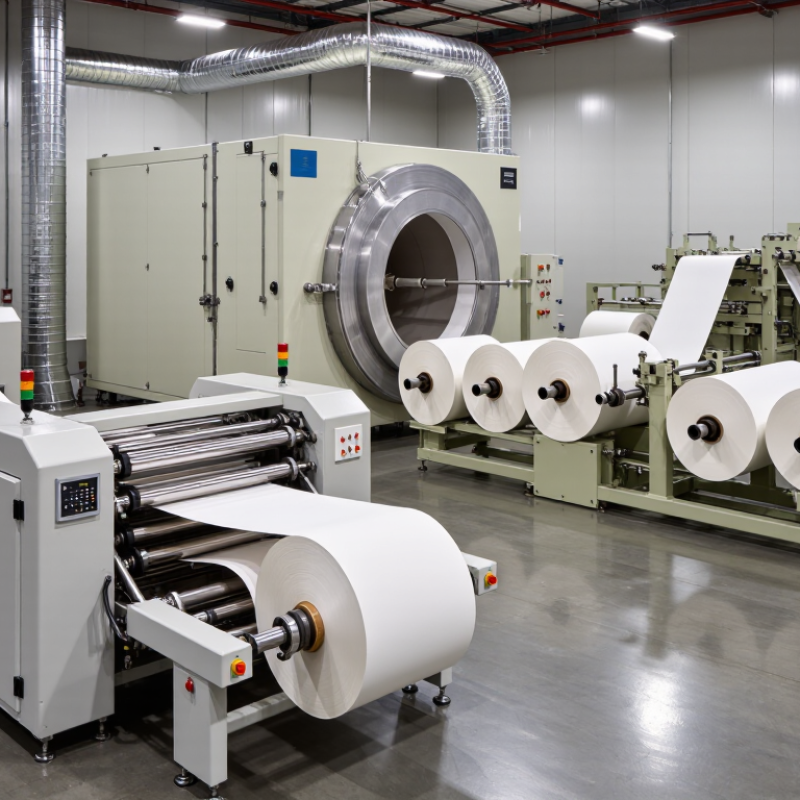
What Are the Top Types of Tissue Paper Machinery in 2026?

Tissue Paper Machinery: Core Functions and Production Stages

Tissue paper machinery turns water-heavy pulp into a thin, controlled web, then converts that web into usable products. The process starts with stock-preparation equipment, where pulp is mixed with water and screened to remove contaminants. Pumps and approach-flow systems keep the furnish consistent before it reaches the headbox. Small variations matter. They can affect sheet strength, softness, and basis weight.

At the paper machine, the headbox distributes pulp onto a forming fabric. Presses remove water, while a heated Yankee cylinder and hood dry the sheet; a creping blade then creates the familiar soft texture. Rewinders and converting lines slit, emboss, fold, and package the parent roll. Sensors track moisture, tension, and sheet weight, helping operators catch defects before they spread. Grand View Research estimated the global tissue-paper market at about US$80 billion in 2023, indicating the scale of demand these lines serve. Market growth does not automatically justify faster machinery. Changeovers, energy use, and operator skill can be overlooked—and real lines rarely run perfectly.

Tissue Paper Making Machines: From Pulp to Parent Rolls

Tissue paper production begins with a pulp line, where recycled fiber or virgin pulp is cleaned, screened, and refined. Stock-preparation equipment then blends fibers with water and controls consistency before the furnish reaches the paper machine. Small changes matter: uneven refining can affect softness, strength, and runnability.

At the forming section, a crescent-former machine lays a thin web onto a felt. Some mills use through-air-dried machines, which pass heated air through the sheet to create a bulkier, softer product, but they require substantial energy. Pressing and Yankee drying remove water; a creping blade then lifts the sheet from the heated cylinder. The rewinder winds it into parent rolls for later converting. The sequence looks simple. Mills are not.

Grand View Research’s 2024 Tissue Paper Market report estimated the global market at about USD 83.1 billion in 2023, with a projected 5.7% compound annual growth rate through 2030. That outlook helps explain investment in efficient, flexible lines, but it does not make one machine design right for every mill. Parent-roll quality also depends on furnish, moisture control, and operator adjustments. I would not treat the process as a perfect recipe; fiber variation and brief sheet breaks can still disrupt production.

Tissue Paper Converting Machines: Rewinding, Embossing, and Cutting

What Are the Top Types of Tissue Paper Machinery in 2026?
Tissue Paper Converting Machines: Rewinding, Embossing, and Cutting

Tissue converting machines transform large parent rolls into consumer-ready rolls or folded products. Rewinders manage web tension, roll diameter, and perforation spacing. Small tension changes can create loose edges or uneven rolls. Embossing units press patterns into the paper, adding texture and helping sheets separate. Pressure must match the paper grade; too much can weaken thin plies. Cutting machines trim logs or sheets to their final dimensions. Clean cuts matter.

Tips: Check blade sharpness, embossing pressure, and roll alignment during routine inspections. Record settings for each paper grade, but verify them after every material change.

These machines work as a connected line, so one adjustment can affect the next stage. A poorly rewound log may shift during cutting, while deep embossing can increase paper breaks. Watch sample rolls for uneven edges, inconsistent sheet length, or loose winding. There is no universal setting: paper quality and room conditions can vary. Even experienced operators may need a few test runs after a material change. The ideal setup is not always the fastest one; stable output and manageable waste are practical measures of performance.

Top Types of Tissue Paper Machinery in 2026

This simplified process-flow chart shows three common converting operations: embossing, rewinding tissue into logs, and cutting logs into finished rolls. The numbers indicate sequence only—not machine speed, market share, or performance. Line configurations can vary.

Packaging and Finishing Machines for Tissue Products

What Are the Top Types of Tissue Paper Machinery in 2026?

Packaging and Finishing Machines for Tissue Products

In 2026, tissue packaging and finishing lines typically combine folding, counting, wrapping, and case-packing equipment. Facial tissues may need precise folding and stack counting, while toilet rolls often pass through a rewinder, perforator, log saw, and individual wrapper. These machines shape the finished product and influence how quickly it moves from production to shipment. A clean cut and a tight, undamaged wrap matter more than a fast cycle alone.

Automatic wrappers can form film around packs and seal the edges; case packers then group products for transport. Changeover time deserves attention. A machine may run efficiently on one pack size but slow down when dimensions change. In real production, small issues such as uneven stacks or dusty sensors can interrupt a line. It is worth checking access for cleaning, spare-part availability, and how operators clear jams. More automation is not always a better fit.

Tips: Test the line with your actual tissue and packaging materials. Keep sample packs nearby. Check seals, counts, and roll edges during a trial run. If a setting looks inconsistent, pause and investigate rather than assuming the next pack will be better.

What Are the Top Types of Tissue Paper Machinery in 2026? - Packaging and Finishing Machines for Tissue Products

Machine Type Primary Function Typical Tissue Product Common Process or Feature Typical Downstream Equipment
Toilet Roll Rewinder Unwinds parent tissue rolls and rewinds the paper into smaller rolls. Toilet tissue rolls May include perforation, embossing, and controlled winding; configuration depends on the product specification. Log saw, roll accumulator, and roll wrapper
Kitchen Towel Rewinder Converts parent rolls into larger absorbent towel rolls. Kitchen and household towel rolls Often configured for perforation and embossing; roll dimensions and sheet counts vary by product. Log saw and roll packaging machine
Log Saw Cuts a long rewound tissue log into individual rolls. Toilet tissue and kitchen towel rolls Uses a cutting blade and feed system; cut length is set to match the intended roll width. Roll wrapper or bundling machine
Facial Tissue Interfolder Folds and interleaves tissue sheets so one sheet can pull the next from a box or pack. Boxed or soft-pack facial tissue Common fold patterns include interfolded formats; sheet size and fold style depend on the product design. Facial tissue counting, stacking, and packaging equipment
Napkin Folding Machine Folds tissue paper into napkins and forms counted stacks. 餐 napkins for household, food-service, or commercial use Can be set up for different napkin sizes and fold styles; printing or embossing may be included in some converting lines. Stacker, counter, and napkin packaging machine
Core Winder Forms cardboard cores used inside many tissue rolls. Cores for toilet tissue and kitchen towel rolls Winds paper strips around a mandrel and bonds the layers; core diameter and length are set for the roll design. Core cutter and tissue rewinder
Tissue Log Accumulator Buffers rewound logs between the rewinder and cutting or packing stages. Roll tissue products Helps balance intermittent downstream operations with the continuous output of a rewinder. Log saw and roll packaging equipment
Tissue Packaging Machine Wraps, bags, or cartons finished tissue products for handling and sale. Rolls, facial tissue packs, and napkin bundles Packaging format depends on the product, pack count, and material; machines may use film, bags, or cartons. Case packing, labeling, and palletizing systems

Equipment configuration and production capability vary with tissue grade, product dimensions, automation level, and line layout.

How Tissue Machinery Types Differ by Product and Production Scale

Tissue machinery differs less by headline speed than by the product it must deliver. Toilet and kitchen-roll lines combine rewinding, embossing, perforation, and log sawing; operators adjust perforation length and sheet count for each format. Facial-tissue lines use interfolders to create neat, pull-out stacks, while napkin machines fold sheets into compact formats. Upstream tissue paper machines form the parent rolls, but many converters buy those rolls and focus on converting equipment instead. The choice changes the investment, staffing, and floor-space requirements.

Scale matters just as much. A small converter may prefer modular equipment, quick changeovers, and a modest output rate. Large plants often link high-speed converting lines with automated packing and roll handling. Grand View Research valued the global tissue paper market at USD 87.2 billion in 2023 and forecast 5.6% annual growth through 2030. Allied Market Research estimated USD 79.6 billion in 2021, rising to USD 111.6 billion by 2031. Their different baselines and scopes are a useful reminder: market forecasts are not machine specifications. Small line. Big trade-off. A line rated for high output can still waste material if its format changes are slow or its quality controls are weak. Operators should compare saleable output, changeover time, and product mix—not speed alone.

FAQS

What does tissue paper machinery do?

It turns water-heavy pulp into a thin sheet, then converts the sheet into usable products. Small details matter.

What happens during stock preparation?

Pulp mixes with water and passes through screens that remove contaminants. Pumps help keep the mixture consistent.

How does the paper machine form a tissue sheet?

A headbox spreads pulp onto a forming fabric. Presses remove water, and a heated cylinder and hood dry the sheet.

What gives tissue paper its soft texture?

A creping blade works against the dried sheet to create texture. The result can vary when settings drift.

Which machines help finish facial tissues and toilet rolls?

Facial tissue lines may fold and count sheets. Toilet roll lines can rewind, perforate, cut, and wrap the rolls.

How do sensors support production?

Sensors monitor moisture, tension, and sheet weight. They can help catch defects, though operators still need to check the line.

What should buyers check during a packaging-line trial?

Test the line with actual tissue and packaging materials. Inspect pack counts, seals, and roll edges.

Why can changeovers slow production?

A line may run well with one pack size but need adjustments for another. Uneven stacks or dusty sensors can also interrupt production.

Is more automation always the better choice?

Not always. Check cleaning access, spare-part availability, and jam-clearing steps. A faster cycle may not solve every problem.

Conclusion

This article explores the main types of Tissue Paper Machinery used throughout tissue production, from preparing pulp to creating finished products. Tissue paper-making machines form pulp into a continuous sheet and produce large parent rolls, with each production stage helping control the paper’s thickness, softness, strength, and consistency. These core processes provide the foundation for the converting and finishing work that follows.

Converting machines transform parent rolls into usable tissue products through operations such as rewinding, embossing, perforating, and cutting. Packaging and finishing machines then prepare products for storage and distribution. The article also explains how machinery configurations vary according to the product being made and the scale of production, helping readers understand how different equipment types fit into an efficient tissue manufacturing line.

Oliver

Oliver

Oliver is a professional marketing specialist with a strong understanding of the company’s products, their practical applications, and the needs of the customers they serve. He regularly contributes expert articles to the company website, turning product knowledge and industry insights into clear,......