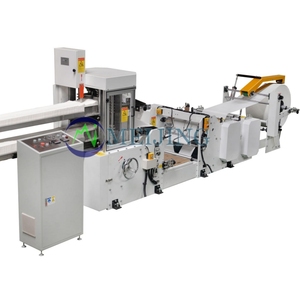
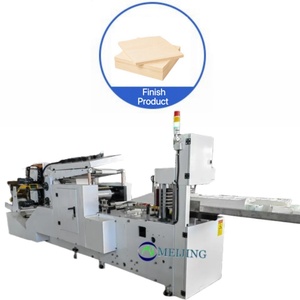
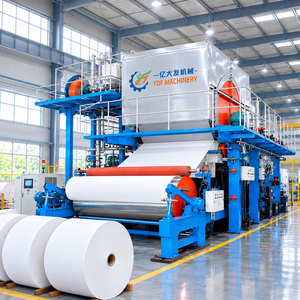
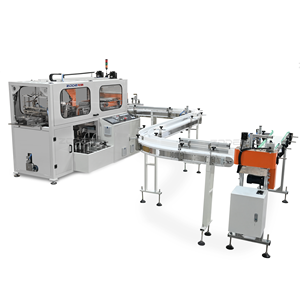
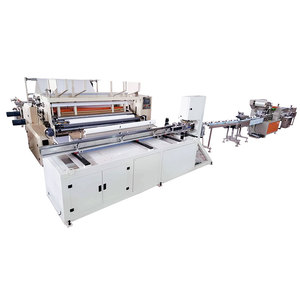
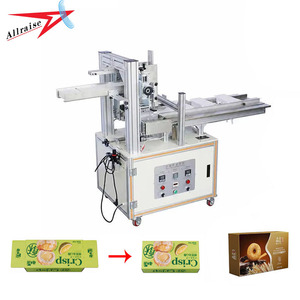
Tissue Paper Making Machine Automatic High Speed Toilet Paper Production Line
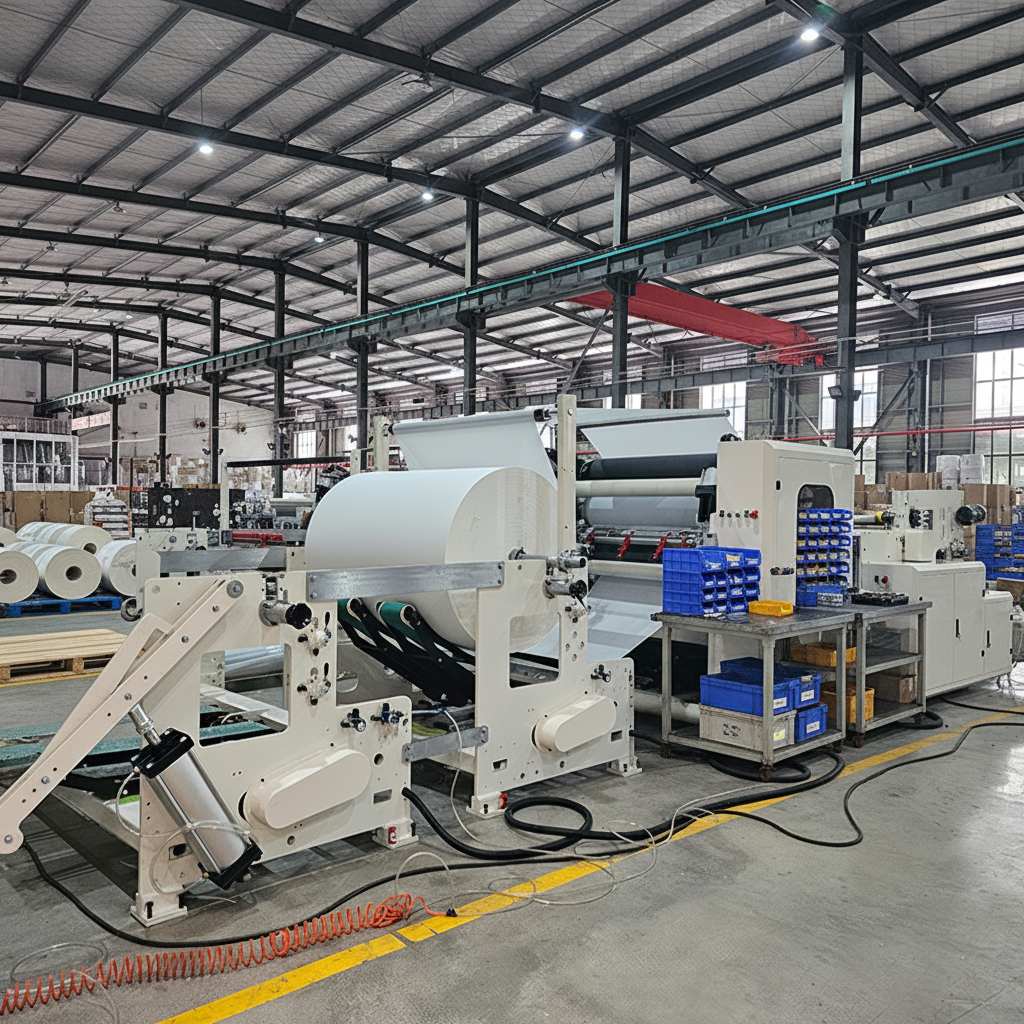
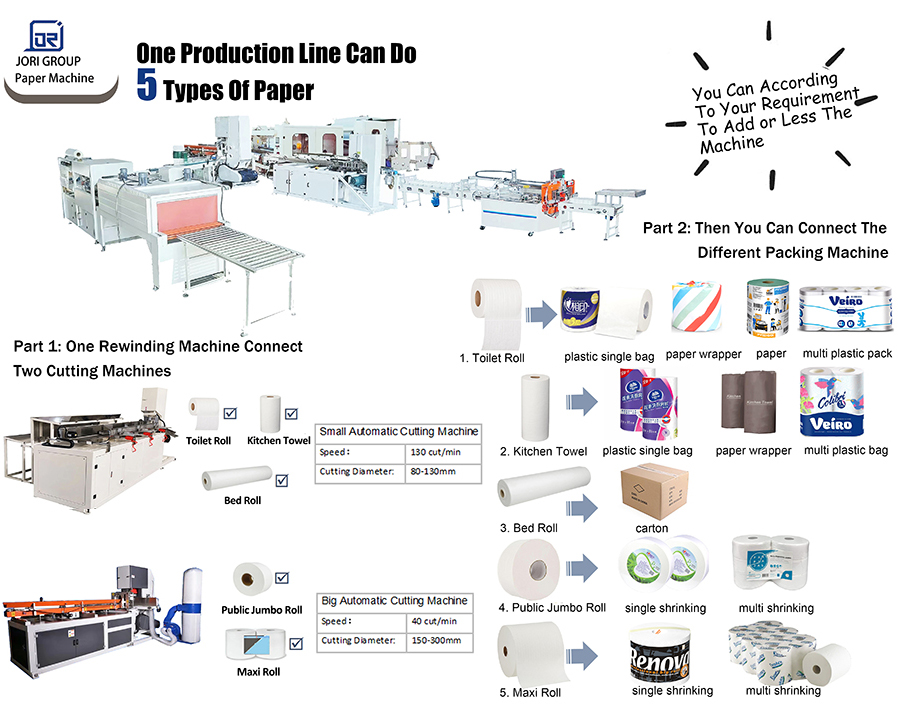
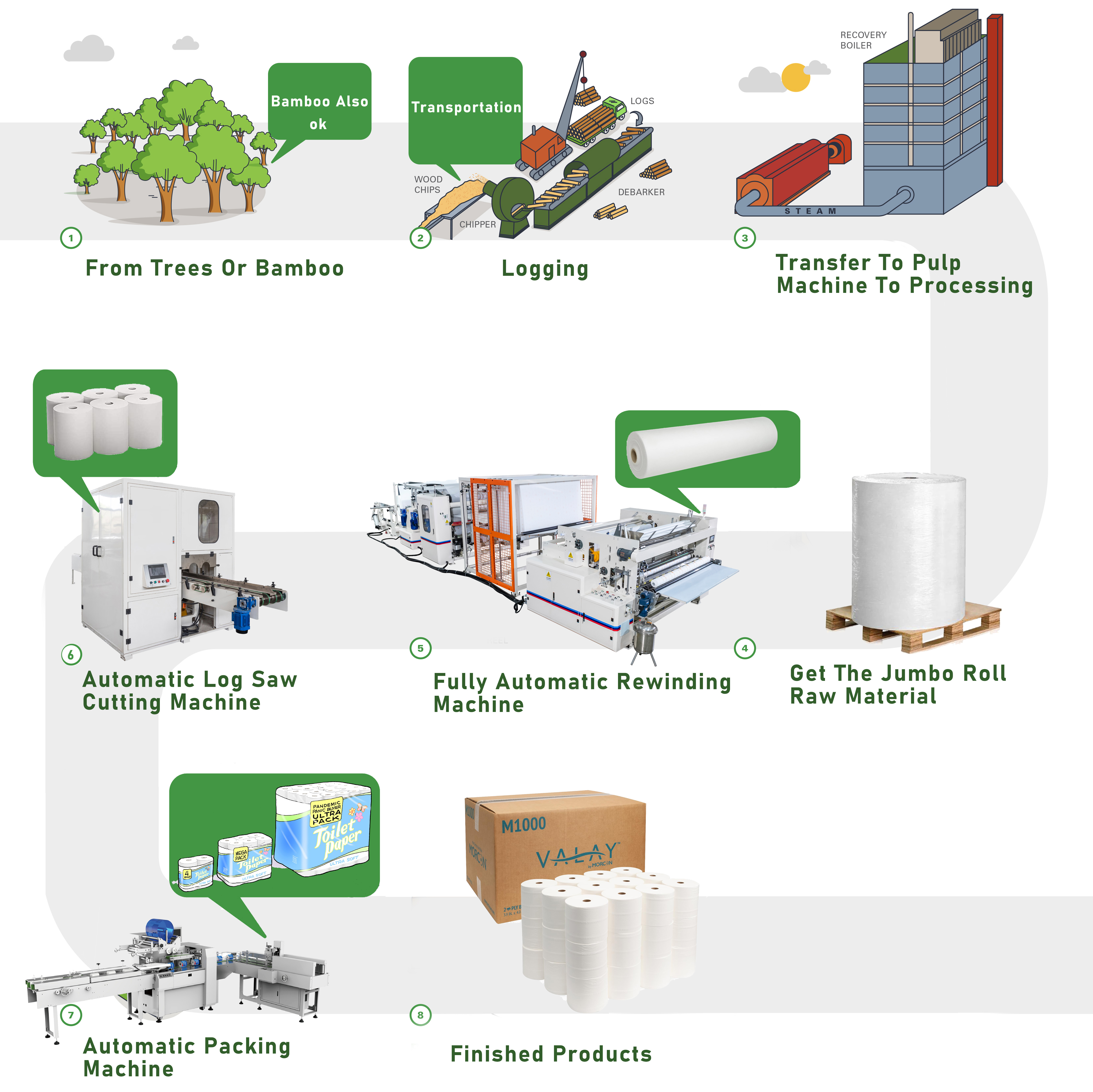
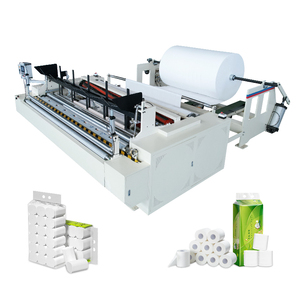
This is a converting machine, not a paper-making machine. It takes large, parent rolls of tissue paper (jumbo rolls) and converts them into finished consumer products. Here's the typical workflow:
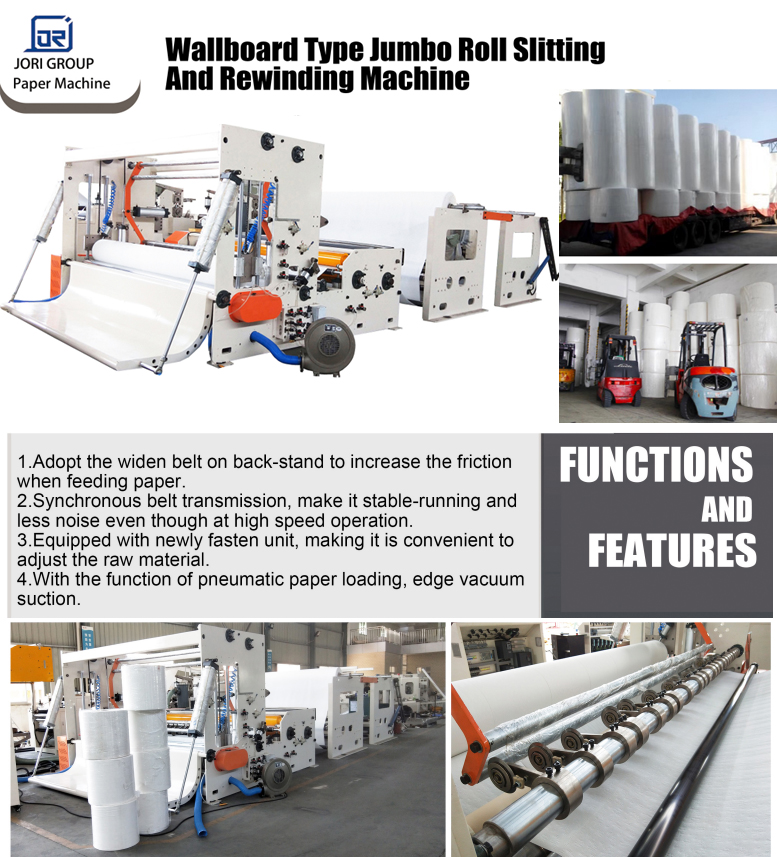
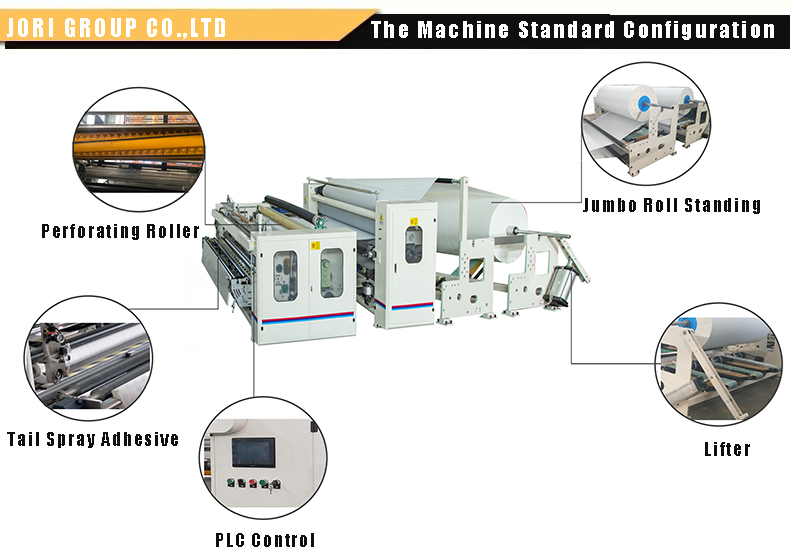
1. Unwinding: A large jumbo roll of tissue paper (bought from a paper mill) is loaded onto the holder.
2. Punching (Perforating): The paper passes through a precision punching unit that creates the familiar perforated tear lines between sheets.
3. Rewinding: The perforated paper is rewound onto cardboard tubes (cores) to a specific diameter (e.g., for 1-ply, 2-ply, or 3-ply rolls).
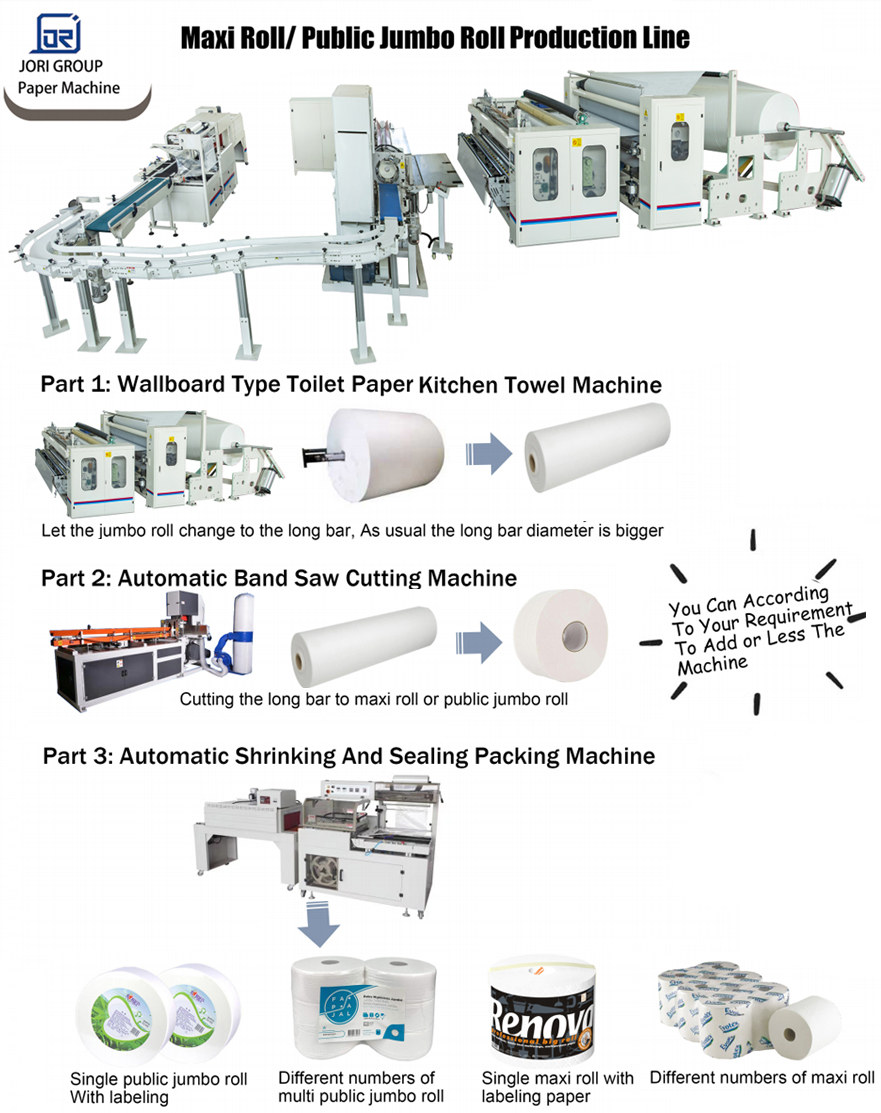
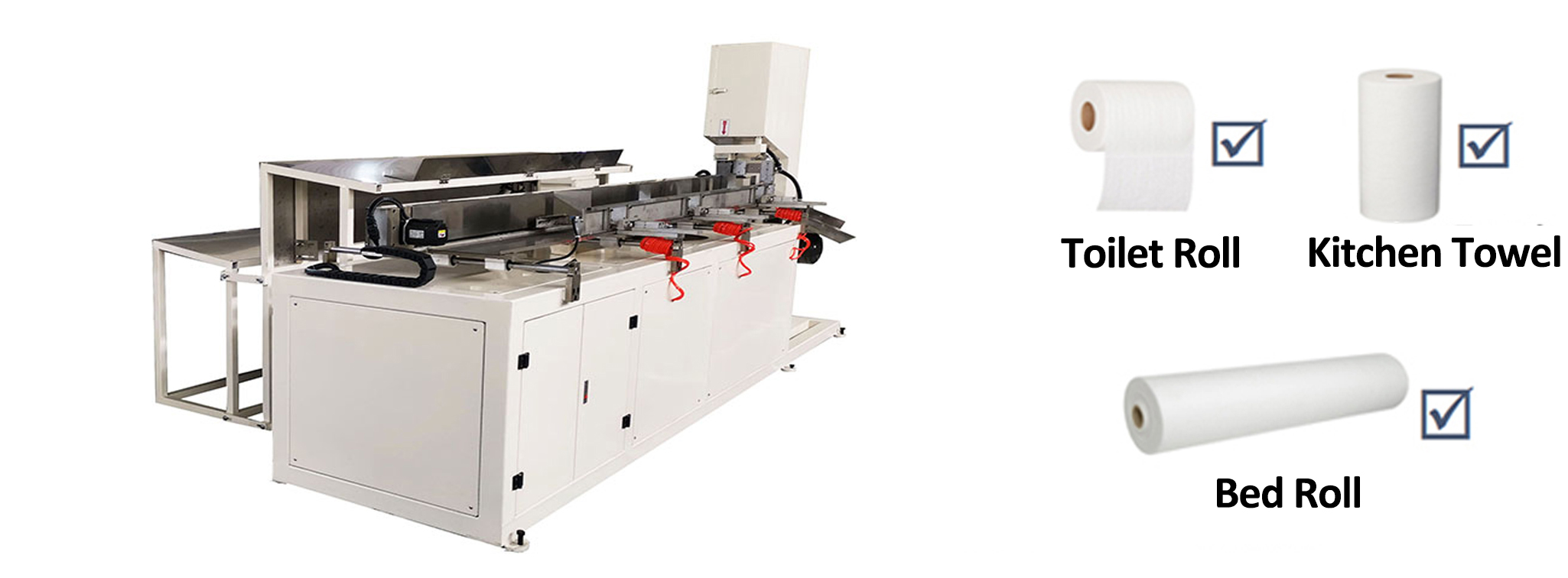
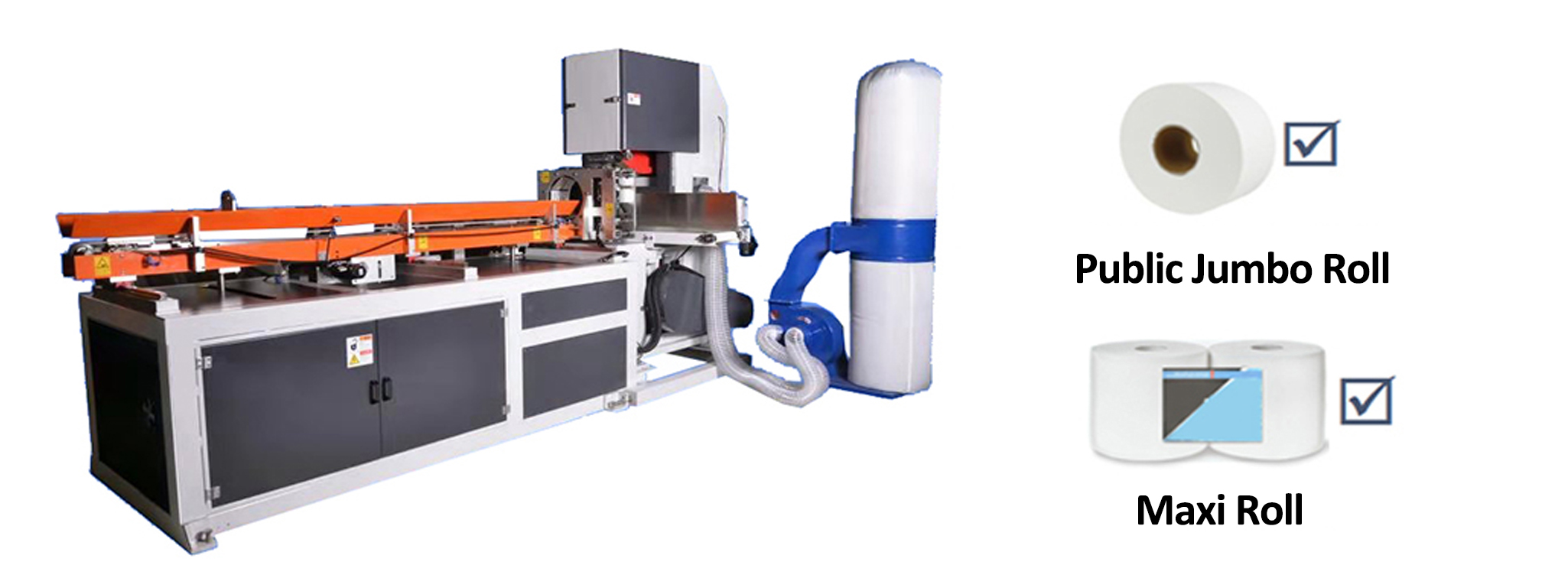
4. Log Sawing (If a Complete Line): Important Note: A basic punching/rewinding machine outputs a long "log" of tissue. A separate log saw machine is needed to cut this long log into individual toilet paper rolls. Many "hot sale" packages are sold as a combo set.
Key Features of a Good Small Toilet Paper Making Machine:
• Core Adaptability: Can handle different core (tube) inner diameters (like 40mm, 45mm, 76mm for paper towels).
• Punching Type: Embossing/perforating units that ensure easy, clean tearing.
• Ply Capability: Typically can rewind 1-ply, 2-ply (two layers bonded together), or even 3-ply.
• Rewind Diameter Control: Adjustable to produce different finished roll sizes (from small commercial rolls to large family rolls).
• Tension Control: Crucial for even, tight, and consistent winding.
• Speed: Small machines may have speeds from 80-200 meters per minute. Higher speed = higher output.
• Automation Level: Basic models are semi-automatic (manual core loading, manual splicing of jumbo rolls). More advanced small models have auto core loading and auto splicing.