High-Yield Machinery Portfolio for Irbid Paper Mills
Explore our industrial-grade toilet roll rewinders, napkin printing-embossing machines, and automated facial tissue production lines engineered for optimal ROI in the Northern Jordanian market.
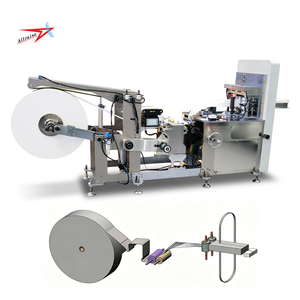
High-speed Automatic Napkin Tissue Paper Folding Machine
Delivers multi-color flexographic printing, steel-to-rubber embossing, and high-speed precision folding for hospitality suppliers in Irbid.
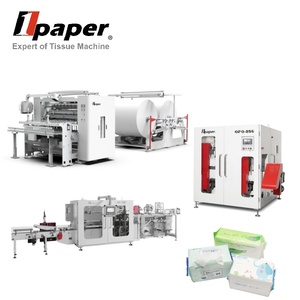
Complete Soft Pack Tissue Production Line (150 Pcs/Min)
Features bottom-draw tissue dispensing mechanism, integrated PLC motor core, and automated nylon wrapping for commercial tissue converters.
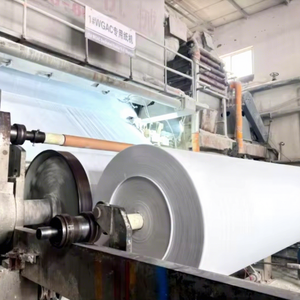
JINLONG Automatic Facial Tissue & Toilet Paper Roll Line
High-output 60 Tons/Day industrial system tailored for large-scale converting plants and regional distribution networks across Jordan.
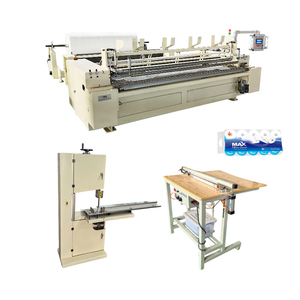
Fully Automatic High Speed Toilet Paper Rewinding Machine
Equipped with automatic core loading, tail gluing, edge trimming, and pneumatic parent roll lifting for seamless small business expansion.
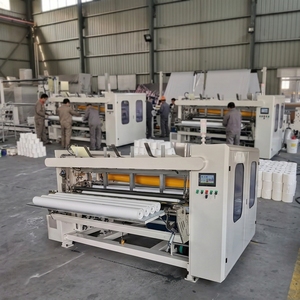
PLC Controlled Slitting Rewinding Toilet Tissue Machine
Heavy-duty paper converting unit with electronic web tension control, ideal for producing both cored and coreless bathroom tissue rolls.
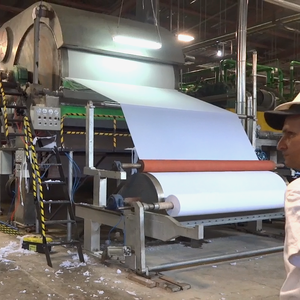
Jumbo Roll Toilet Tissue & Napkin Converting Machine
Handles virgin pulp and recycled paper webs smoothly to manufacture commercial maxi rolls, industrial wipers, and folded napkin lines.
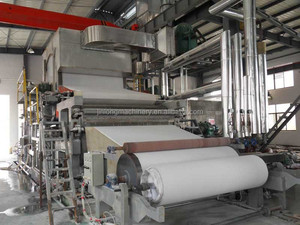
Factory Direct Sale Automatic Facial Tissue & Toilet Line
Full production ecosystem integrating log saw cutting, single-roll wrapping, and bundle packing machinery under synchronized PLC logic.
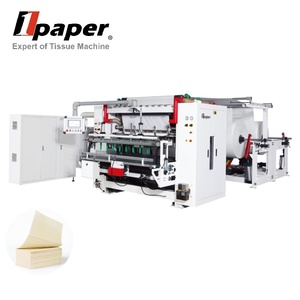
Smart Touchscreen Automatic Tissue Folding Machine
State-of-the-art HMI interface with real-time fault diagnostics, producing 150 pcs/min of soft-pack facial tissues with minimal operator intervention.
Industrial Engineering Report: Tissue Converting Dynamics in Irbid & The Levant
As the second-largest metropolitan center in Jordan and a vital manufacturing hub in the northern Levant, Irbid has emerged as a strategic node for hygiene product manufacturing, paper converting, and cross-border consumer goods distribution. Driven by expanding urban populations, modernizing hospitality sectors, and proximity to major trade corridors like the Al-Hassan Industrial Estate and the Amman-Irbid highway, local paper converters face accelerating market demand for premium toilet rolls, soft-pack facial tissues, center-pull wipers, and printed table napkins.
However, running a profitable paper converting enterprise in Irbid requires more than high machine nameplate speeds. Regional industrialists must navigate specific operational conditions: fluctuating raw material virgin/recycled pulp parent roll supplies, regional grid voltage variations (400V 50Hz 3-phase standards), strict energy conservation targets, and intense price competition from regional imports. To gain a sustainable competitive edge, tissue exporters and wholesalers operating in Irbid require industrial converting machinery engineered with high operational uptime, precise tension management, and integrated low-waste automation.
Key Insight for Irbid Tissue Plant Operators
Over 68% of tissue roll converting losses in Middle Eastern factories stem from uncalibrated web tension between unwinding stands and embossing rollers. Machinery featuring closed-loop magnetic powder tensioning and pneumatic parent roll loading reduces paper snapping incidents by up to 82% when processing low-GSM recycled tissue webs common in regional supply chains.
1. Localized Application Scenarios Across Irbid & Northern Jordan
Paper converting facilities operating across Northern Jordan cater to distinct institutional, commercial, and retail market segments. Understanding these localized application scenarios allows wholesalers and factory managers to select machinery tailored to exact paper substrate specifications and packaging configurations:
A. Al-Hassan Industrial Estate (B2B Commercial & Institutional Wipers)
Factories situated in Irbid’s major industrial estates specialize in supplying bulk Away-From-Home (AFH) hygiene supplies. Industrial facilities, automotive workshops, medical centers, and food processing plants across Jordan demand high-capacity Center-Pull Maxi Rolls and heavy-duty 2-ply kitchen towels. Converting machines operating in this setting must feature robust slitting units capable of handling dense basis weights (18 gsm to 24 gsm per ply) and large parent roll diameters (up to 1500 mm) without causing core distortion or edge fraying.
B. Urban Retail & Supermarket Supply (Consumer Toilet Paper & Soft Packs)
Retail consumers in Irbid, Yarmouk University residential quarters, and nearby governorates (Ajloun, Jerash, Mafraq) increasingly prefer multi-roll embossed toilet tissue packs (4, 8, or 12-roll bundles) and soft-pack facial tissues. Machines deployed for retail lines require automatic tail gluing and sealing systems to ensure finished roll visual appeal, alongside micro-embossing and thermo-nesting steel-to-rubber rollers that boost perceived sheet softness and bulk caliper without consuming extra paper tonnage.
C. Hospitality & HORECA Sector (Custom Embossed & Printed Napkins)
Irbid’s expanding food service sector requires branded table napkins featuring localized restaurant logos, custom perimeter border embossing, and precise 1/4 or 1/8 folds. High-speed automatic napkin machines equipped with single or dual-color flexographic printing units allow wholesalers to capture high-margin hospitality contracts across Northern Jordan’s tourism and catering industries.
| Market Segment (Irbid Context) | Target Product | Recommended GSM & Ply | Key Machine Feature Required | Optimal Output Range |
|---|---|---|---|---|
| Institutional / AFH Sector | Center-Pull & Maxi Rolls | 18–22 gsm / 1 or 2 Ply | Pneumatic Slitting & Heavy Punching Units | 120 – 180 m/min |
| Retail Consumer Market | Bathroom Tissue Rolls | 13.5–16 gsm / 2 or 3 Ply | 3D Point-to-Point Embossing & Tail Gluing | 150 – 230 m/min |
| Commercial Soft-Packs | Interfolded Facial Tissue | 13–15 gsm / 2 Ply | V-Fold Vacuum Interfolding & Servo Counting | 150 Pcs/Min per Lane |
| HORECA & Hospitality | Printed Dinner Napkins | 17–20 gsm / 1 or 2 Ply | Flexo Printing + Steel-to-Rubber Emboss | 600 – 1000 sheets/min |
2. Regional Market & Technological Trends Shaping Irbid’s Tissue Industry
To maintain profitability over a 10-to-15-year machine lifecycle, machinery buyers in Irbid must align capital investments with broader technological and economic trends transforming the Middle Eastern paper converting sector:
A. Transition from Semi-Automatic to Fully Automated Production Lines
Rising labor costs and the need for stringent hygiene compliance have accelerated the replacement of manual log cutting and hand-wrapping steps. Modern installations across Irbid integrate automatic band saw log cutters, multi-lane log accumulators, and automatic nylon flow-wrapping units. Fully integrated lines eliminate manual touchpoints, safeguarding tissue purity while raising daily net output per shift by up to 350%.
B. Adoption of Energy-Efficient Servo Drives & PLC Automation
Industrial electricity costs represent a primary operational expense for Jordanian manufacturers. Traditional mechanically linked converting gearboxes suffer from high frictional energy loss and frequent mechanical wear. Modern converting machinery engineered by Arabia Industrial Tissue Equipment LLC utilizes multi-axis Siemens or Delta PLC systems driving independent servo motors. This architecture reduces kilowatt-hour consumption per ton of finished paper by 22% while enabling digital recipe changeovers on touch-screen HMIs within minutes.
C. Sustainable Parent Roll Processing & Coreless Roll Innovation
With environmental regulations tightening across the Middle East, converting plants in Jordan are diversifying their fiber input mix. Advanced machinery must seamlessly handle 100% virgin sugarcane pulp, bamboo fiber, or de-inked recycled waste paper webs. Additionally, coreless toilet paper rewinding capability is gaining traction, allowing converters to offer eco-friendly consumer rolls that eliminate cardboard core waste entirely while reducing freight volume for regional export.
3. Core Engineering Advantages of Arabia Industrial Tissue Equipment LLC
Our company stands at the forefront of tissue machinery manufacturing, bringing global expertise, proprietary precision tooling, and dedicated regional technical support to tissue exporters and wholesalers in Irbid.
In-House Machining Center
We perform precision CNC milling, dynamic roller balancing, and steel surface hardening in-house. This internal quality loop ensures perfect roller concentricity and eliminates vibration at speeds exceeding 200 m/min.
Matched Complete Lines
Our mechanical engineers design complete plant ecosystems from unwinding, perforating, and embossing to automated log cutting and shrink wrapping, preventing production bottlenecks.
Proven Export Reliability
With hundreds of installations across the Middle East, North Africa, and Eastern Europe, our machinery meets strict CE standards, featuring safety light curtains, emergency brake stops, and durable electrical cabinets.
4. Comprehensive Step-by-Step Purchasing Guide for Irbid Importers
Acquiring tissue converting equipment represents a key capital expenditure. To maximize return on investment (ROI) and avoid common operational missteps, local plant owners in Irbid should execute procurement according to the following four engineering steps:
- Calculate Target Net Output per Shift (Not Peak Speed): Base your machine selection on real-world saleable product tonnage per 8-hour shift. Factor in typical parent roll changeover time, perforation blade maintenance, and a realistic operational efficiency coefficient (typically 85% to 92%).
- Define Paper Substrate & Embossing Profiles: Specify exact parent roll widths, outer diameters, GSM ranges, and fiber blends (virgin vs. recycled). Choose embossing patterns—such as point-to-point, micro-embossing, or border embossing—that match local consumer preferences in Jordan.
- Audit Plant Power & Pneumatic Infrastructure: Verify that your facility in Irbid provides a stable 380V–415V 50Hz 3-phase electrical supply, adequate industrial transformer capacity, and clean, dry compressed air (0.6–0.8 MPa) required for pneumatic unwinding stands and tail-gluing actuators.
- Verify After-Sales Technical & Spare Parts Support: Ensure your machine partner supplies standardized electrical components (Siemens, Schneider, Delta) and critical wear parts—such as circular slitting blades, perforation knives, and timing belts—with rapid dispatch options to Irbid.
Frequently Asked Questions by Tissue Machinery Buyers in Irbid
Expert technical answers to address common engineering, operational, and import queries from paper converters in Jordan.
All machinery exported to Irbid is factory-configured to match Jordan’s industrial power grid standard: 400V 3-phase, 50Hz. Electrical cabinets feature over-voltage/under-voltage protection relays, thermal overload cutouts, and dust-sealed enclosures equipped with cooling fans to ensure continuous operation in warmer Levant summer conditions.
Yes. Our multi-function rewinding lines (such as the XY-TQ series) feature adjustable perforation pitch controls (programmable via touchscreen HMI) and customizable rewinding diameters (ranging from 90 mm standard toilet rolls up to 250+ mm commercial rolls). This flexibility allows Irbid wholesalers to serve both retail and commercial B2B channels on a single production asset.
Our machines utilize independent pneumatic unwinding stands equipped with stepless flat belt feeding drives and magnetic powder brake tension controllers. This system continuously monitors web speed and tension, preventing tearing when running low-tensile recycled tissue paper or low-GSM virgin substrates.
Standard manufacturing lead time ranges from 30 to 45 days, depending on machine complexity and custom embossing roller engraving. Shipping to the Port of Aqaba typically takes 20 to 30 days. We provide comprehensive installation manuals, video startup guidance, or online engineering assistance to ensure rapid commissioning at your Irbid plant.
Please share: (1) Target finished products (toilet roll, facial soft-pack, napkin, or hand towel), (2) Max parent roll width available from your mill supplier, (3) Preferred embossing design and packaging style, (4) Desired production capacity per 8-hour shift, and (5) Your factory location in Irbid or neighboring zones.
Transform Your Tissue Manufacturing Capacity in Irbid Today
Consult with our senior machinery engineers to configure a custom tissue paper converting line optimized for your target output, raw material specs, and plant layout.