Engineered Tissue Converting Equipment
Select specialized paper napkin, facial tissue, and rewinding machinery tailored for regional manufacturing specifications.
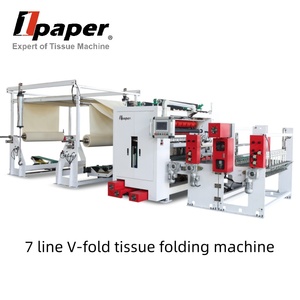
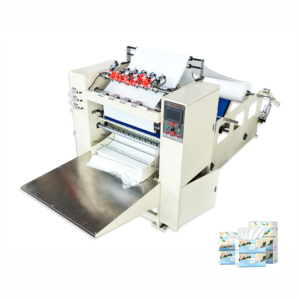
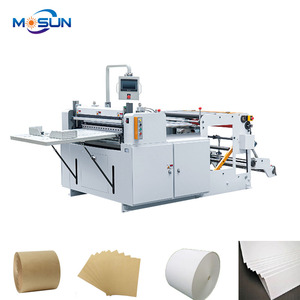
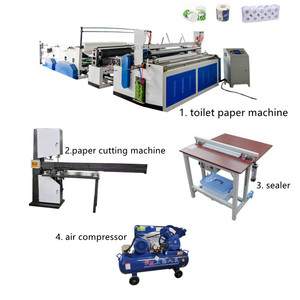
The Levant Tissue Market Strategy: Technical Requirements & OEM/ODM Engineering
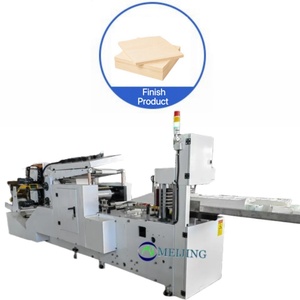
The commercial paper tissue landscape in Jerusalem and the wider Levant region is driven by a unique synthesis of high-density tourism, an expansive culinary and hospitality (HORECA) industry, and strict environmental criteria regarding single-use disposable paper goods. Operating a paper converting plant in Jerusalem requires equipment configured for raw material versatility, structural durability, and high continuous yield. Paper napkin embossing folding machines are no longer evaluated solely on baseline web speeds; modern procurement decisions depend on pneumatic tension regulation, steel-to-wool or steel-to-rubber embossing roller longevity, and synchronized flexographic print integration.
OEM and ODM manufacturing frameworks bridge the gap between standardized Chinese machinery engineering and localized regional demands. Converting single-ply or double-ply virgin and recycled jumbo parent rolls (ranging from 13 to 22 GSM) into high-value, custom-embossed, folded serviettes requires advanced PLC integration and dynamic magnetic power braking systems. By engineering machines with custom modular embossing stations, operators can rapidly switch between border embossing, full-surface micro-embossing, and personalized logo engraving required by boutique hotels, banquet halls, and institutional catering enterprises across Jerusalem.
Precision Steel-to-Rubber Embossing
Hardened heating steel rollers matched with imported high-durability rubber or wool paper rollers guarantee deep, crisp relief patterns without tearing lightweight virgin or recycled tissue sheets.
High-Speed Servo Synchronized Drive
Independent servo motors drive the unwinding, printing, embossing, folding, and cutting units, preventing mechanical drag and maintaining strict fold registration at speeds up to 1,000 sheets per minute.
Integrated Flexo Color Printing
Water-based eco-friendly flexographic ink stations allow localized business branding, decorative borders, and multi-color logo stamping directly inline prior to the mechanical folding cycle.
Localized Application Scenarios Across Jerusalem & the Levant Region
Paper napkin converting operations in Jerusalem must cater to distinctly segregated market channels, each with strict dimensional, aesthetic, and functional specifications:
1. High-Density Hospitality & Tourism (HORECA): Hotels, historic venues, and fine dining establishments throughout Jerusalem require premium double-ply point-to-point or deep steel-to-wool embossed napkins. These products typically feature custom 1/4-fold or 1/8-fold dinner napkin geometry (such as 400mm x 400mm unfolded size) with custom-engraved hotel motifs, requiring smooth, noise-dampened folding heads and strict squareness tolerances to fit automated table-setting workflows.
2. High-Volume Fast Food & Commercial Catering: Quick-service restaurants, street food hubs, and casual eateries demand cost-effective single-ply napkins (230mm x 230mm or 330mm x 330mm) produced at ultra-high linear speeds. OEM folding machinery equipped with vacuum-assisted interfolding channels ensures continuous, high-yield production capable of filling large dispenser packs used in high-traffic commercial zones.
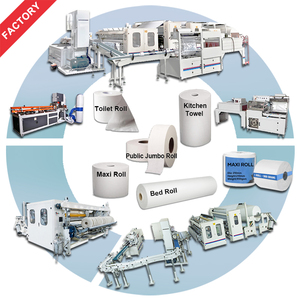
3. Institutional & Healthcare Facilities: Medical centers, administrative offices, and educational campuses across regional municipal districts require hygienic soft-pack tissues, hand towels, and center-pull roll dispensers. Machines configured for dual-line facial tissue interfolding and heavy-duty hand towel rewinding with perforated log cutting serve these large-scale public tenders.
Localized Manufacturing Trends & Technology Shifts in Jerusalem
The tissue converting sector in Eastern Mediterranean markets is undergoing rapid modernization driven by energy costs, raw material import dynamics, and local labor realities:
Shift Toward Eco-Conscious Fiber & Micro-Embossing: Due to fluctuating global virgin pulp prices, regional converters increasingly process bamboo, sugarcane bagasse, and high-grade de-inked recycled tissue rolls. Machine design must compensate for variable tensile strength. Modern ODM napkin machinery integrates micro-embossing rollers that enhance sheet bulk and softness without compromising structural integrity, allowing lighter GSM paper to feel premium.
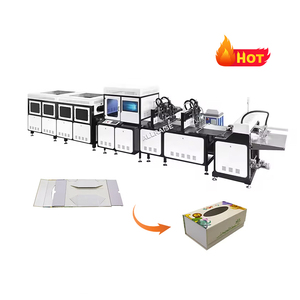
Automation to Offset Regional Labor Overheads: Manual packing at the output end of high-speed folding tables presents an operational bottleneck and increases contamination risks. Regional suppliers are heavily prioritizing fully integrated production lines where the napkin embossing folding unit links directly via conveyor to automated band saw cutters and soft-pack or cardboard box packing machines.
Localized Customization & Short-Run Flexibility: Middle Eastern event management, wedding venues, and corporate catering demand short-run, highly customized napkin batches. Modern OEM machines feature quick-change sleeve-type flexographic printing cylinders and modular embossing stations, reducing job setup times from hours to under 20 minutes.
Enterprise Manufacturing Capabilities & Engineering Value Proposition
As a dedicated global equipment manufacturer and direct supplier, Arabia Industrial Tissue Equipment LLC delivers complete industrial tissue converting solutions tailored to international standards. Our manufacturing infrastructure is structured to solve operational challenges for both emerging converting facilities and established tissue mills:
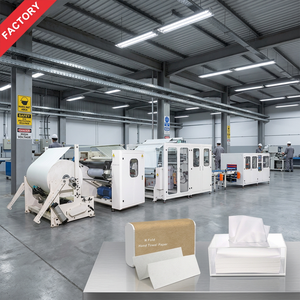
In-House Precision CNC Machining Center: Unlike assemblers who outsource core components, our facility houses an internal precision processing center. Critical components—including steel embossing rollers, folding cylinders, helical cutting knives, and main drive shafts—are machined in-house under strict metallurgical tolerances. This guarantees high mechanical stability, minimal vibration at maximum operating speeds, and reliable spare parts availability over decades of operation.
Balanced Line Architecture: A frequent failure mode in tissue packaging plants is speed mismatch between unwinding, folding, cutting, and wrapping units. Our engineering approach evaluates project requirements based on net saleable finished output per shift rather than isolated theoretical machine speeds. We calculate parent roll width, paper weight, log cut rate, and wrapping throughput to deliver perfectly matched continuous production lines.
Video-Verified Operational Testing & Export Compliance: Every OEM/ODM order undergoes rigorous dynamic testing prior to container loading. Buyers receive unedited operational footage demonstrating continuous running speeds, automatic tension adjustments, emergency stops, and finished product packaging quality. Every unit is constructed with international standard electrical components, localized grid voltage compatibility (such as 380V-415V 50Hz/60Hz), and multi-language PLC touch-screen interfaces.
Step-by-Step OEM/ODM Machine Configuration Framework
To ensure optimal equipment selection when procuring paper napkin embossing and converting machinery for deployment in Jerusalem, technical directors should follow this four-stage validation protocol:
Stage 1: Define Raw Material Parameters
Determine exact parent roll specifications: Web width (mm), maximum outer diameter (mm), core inner diameter, paper basis weight (13–24 GSM), ply count (1-ply, 2-ply, or 3-ply), and pulp source (virgin, mixed, or recycled).
Stage 2: Specify Unfolded & Folded Geometry
Establish exact open napkin dimensions (e.g., 200x200mm, 300x300mm, 400x400mm) and required folding type: 1/4 fold (square), 1/8 fold (buffet), N-fold, or M-fold. Note that folding heads are custom-machined to exact dimensions.
Stage 3: Select Embossing & Printing Stations
Choose between steel-to-rubber (standard softness) or steel-to-wool paper (deep crisp detail). Decide on border-only or full-surface embossing, and specify 1-color or 2-color water-based flexo printing requirements.
Stage 4: Downstream Automation Integration
Match output capacity with manual log cutting, automatic high-speed band saw cutters, and single-pack or multi-pack wrapping machines to maintain an uninterrupted production flow.
Frequently Asked Questions: Purchasing & Operating in Jerusalem
Standard industrial equipment for the region is pre-configured for 380V to 415V three-phase voltage at 50Hz frequency. Our engineering team customizes the main drive motors, electrical cabinets, PLC controllers, and heating elements to tolerate local grid fluctuations and match your plant's specific electrical layout.
Because mechanical folding heads are engineered with high-precision vacuum channels and fixed rotary geometric folding plates, the unfolded sheet length and fold pattern on a specific folding head are fixed. However, width adjustments within a narrow range are supported, and dual-size or modular folding head units can be custom-ordered under our ODM development program.
Steel-to-rubber rollers provide excellent cushion and are ideal for standard bulk tissue where soft texture is paramount. Steel-to-wool paper rollers feature extreme hardness, creating sharp, prominent design borders and deep relief patterns that maintain their definition even on dense or multi-ply commercial napkins.
Machines are packed in heavy-duty, moisture-proof export wooden cases treated for maritime transport. Equipment is shipped via sea freight to major regional ports (such as Ashdod or Haifa), with full shipping documentation, ocean bill of lading, HS code classification, and CE compliance certificates provided for seamless customs clearance.
We provide comprehensive technical documentation, detailed electrical schematics, step-by-step installation manuals, and high-definition commissioning videos. Additionally, our field engineers are available for remote video guidance or direct on-site installation, machine calibration, and operator training upon request.
Yes. All integrated flexographic printing stations utilize non-toxic, water-based flexo inks that comply with international food safety standards. The ink circulation system includes quick-wash drainage channels for rapid color changes.
Request Complete Equipment Specification & Product Catalog
Connect directly with our engineering team to receive customized OEM/ODM machine proposals, technical line layouts, and factory-direct pricing for your converting facility.
Get Catalog