Featured Tissue Converting Machinery Lineup
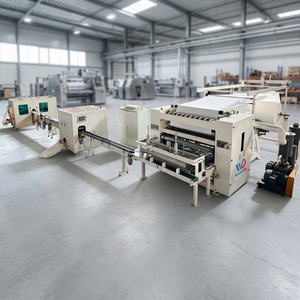
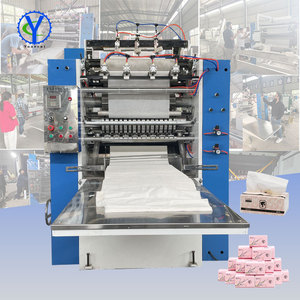
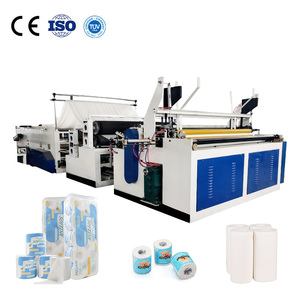
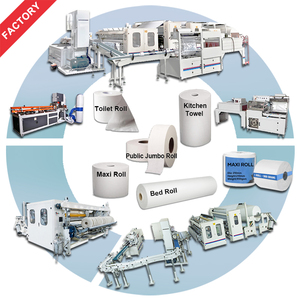
Precision-engineered, CE-compliant converting machinery optimized for facial tissue, toilet rolls, napkins, and industrial towel production.
Technical Whitepaper: Precision Embossing & Interfolding Machinery for Syrian Tissue Converters
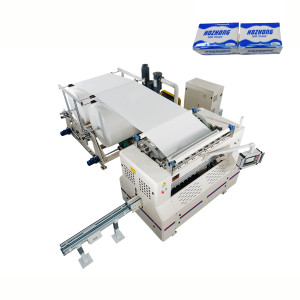
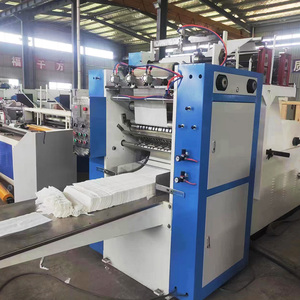
In the highly competitive market for personal hygienic paper products across Syria and the wider Levant region, the textural tactile quality, structural ply bonding, and bulk visual density of facial tissues are paramount. For manufacturers in Homs, Hisyah Industrial City, and surrounding industrial zones, procuring a CE Certified Facial Tissue Embossing Machine from an established supplier represents a pivotal strategic capital investment. The mechanical integrity of the embossing system directly dictates the absorbency, softness, tensile retention, and consumer preference of the final retail product.
Key Technical Insight: Embossing does not merely impart a decorative pattern; it restructures the paper matrix by mechanically breaking hydrogen bonds between fibers in localized deformation zones, increasing sheet calipers by up to 35% without adding pulp weight.
1. Advanced Metallurgy and Roll Construction Principles
An enterprise-grade facial tissue embossing unit relies on a paired roller setup: a precision laser-etched alloy steel roll acting against a heavy-duty vulcanized natural or synthetic rubber roll (or a matching steel roll in steel-to-steel configuration). Arabia Industrial Tissue Equipment LLC utilizes seamless forged 45# carbon steel or 42CrMo alloy steel for the embossing core cylinder. Following CNC precision engraving, the cylinder undergoes high-frequency induction quenching and hard chromium plating, attaining a surface hardness exceeding HRC 60-65 with a chrome plating layer thickness of 0.05mm to 0.08mm. This ensures extreme resistance to abrasive fiber wear, extending cylinder operating lifespans beyond 10 years even when running high-ash recycled furnishes.
The counter-pressure rubber cylinder features a ground seamless steel base wrapped in high-resilience rubber engineered with a Shore A hardness of 75° to 85°. This precise hardness balance yields optimal nip pressure distribution without causing microscopic micro-tears in delicate tissue webs ranging from 13.5 GSM to 22 GSM per ply.
2. CE Certification Directives and Machinery Safety Mechanics
Full compliance with European CE Directives (specifically Machinery Directive 2006/42/EC, Low Voltage Directive 2014/35/EU, and Electromagnetic Compatibility Directive 2014/30/EU) is essential for operational security and international validation. CE certification guarantees that the converting line incorporates essential active and passive safety measures:
Dual-Channel Interlocked Safety Guarding
Enclosed nip zones on embossing rollers feature transparent polycarbonate safety shields connected to Category 4 safety switches, automatically cutting power to main drives if breached during operation.
Emergency Stop & Zero Energy State
Integrated pneumatic dump valves release pneumatic nip pressures instantaneously upon an emergency stop, preventing roll flat-spotting and thermal deformation while safeguarding technician hands.
System Performance Matrix: Facial Tissue Embossing Machine Specifications
| Performance Parameter | Standard Commercial Line | High-Speed Fully Automatic Line | Industrial Heavy-Duty Line |
|---|---|---|---|
| Production Lanes (Lanes) | 2 to 4 Lanes | 6 to 8 Lanes | 10 to 12 Lanes |
| Max Mechanical Speed | 800 - 1,000 sheets/min/lane | 1,200 - 1,500 sheets/min/lane | 1,800+ sheets/min/lane |
| Folding Configuration | V-Fold (Interfolded) / Vacuum | V / Z / N-Fold (Vacuum Vacuum-Assisted) | Multi-Fold Interfolded System |
| Embossing System Type | Steel-to-Rubber (Micro/Macro) | Steel-to-Rubber or Point-to-Point | Steel-to-Steel Laser Engraved |
| Pneumatic Pressure Control | 0.4 - 0.6 MPa Micro-Adjustable | 0.6 - 0.8 MPa Proportional Valve | Full Closed-Loop Hydraulic/Pneumatic |
| Parent Roll Max Width | 420mm - 840mm | 1,260mm - 1,680mm | 2,100mm - 2,500mm |
| Drive Control System | Inverter + Mechanical Timing Belt | Multi-Axis Servo Synchronization (Siemens) | Full Servo Direct Drive Motor Array |
Localized Application Scenarios in the Homs Industrial Hub
Homs occupies a geographically critical vantage point in Syria, serving as the central logistical nexus connecting the capital city of Damascus to Aleppo in the north, and the coastal commercial ports of Lattakia and Tartous to the west. The city's industrial recovery—anchored by the Hisyah Industrial City—has catalyzed a sharp increase in demand for local hygienic paper manufacturing and packaging equipment. Local converting companies face distinct operational environments that require specialized machinery features tailored to regional production reality.
1. Resilience to Power Grid Fluctuations and Voltage Instability
A primary operational challenge for converting plants operating in and around Homs is electrical grid fluctuation and intermittent power quality. Standard European or East Asian converting machines built without localized power conditioning often suffer from PLC program corruption, variable speed drive fault codes, and servo synchronization failure during brownouts.
To overcome this, Arabia Industrial Tissue Equipment LLC equips machinery designated for the Homs market with wide-tolerance electrical architecture. This includes heavy-duty industrial automatic voltage regulators (AVR), magnetic contactors rated for high thermal ambient limits, and uninterruptible power supply (UPS) back-ups dedicated to the central PLC memory. Main drives utilize heavy-duty inverter motors coupled with high-inertia flywheels to smooth out short-duration voltage dips, ensuring zero web tears during minor power sags.
2. Processing Diverse Furnishes: Virgin Kraft Pulp vs. Recycled Syrian Furnish Blends
Tissue paper converters in the Levant market run varying grades of base paper depending on market positioning—ranging from 100% imported virgin softwood/hardwood bleached kraft pulp to cost-effective local or regional recycled paper stock. Lower-grade recycled furnishes exhibit variable tensile strength, higher fiber dust generation, and inconsistent cross-directional elasticity.
Dust Extraction & Vacuum Filtration
Integrated high-pressure suction blowers positioned directly at the slitting and folding heads suck away fine cellulose dust before it builds up on embossing roll micro-grooves, avoiding pattern clogging.
Dynamic Web Tension Adjustment
Pneumatic dancer rolls paired with magnetic particle brakes continuously adjust unwinding tension from parent rolls, preventing web breaks on weak recycled paper grades.
3. Dominance of Soft-Pack Nylon Packaging in Levant Retail
While traditional Western markets favor rigid cardboard box packaging for facial tissues, consumer markets in Homs, Damascus, and rural governorates overwhelmingly prefer flexible soft-pack nylon (polyethylene) pouch packaging. Soft-pack tissues offer superior moisture resistance, portable durability, and lower retail pricing.
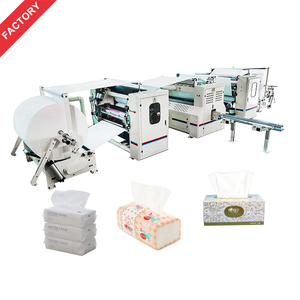
Our complete converting lines for Homs combine the V-Fold or Z-Fold facial tissue interfolding machine directly with an online automatic soft-pack wrapping unit using single-roll or multi-pack nylon wrapping modules. The seamless synchronization between the folding head counter and the downstream packaging feed eliminates manual stacking labor, cutting operational unit costs while preserving tissue hygienic purity.
Localized Industry Trends & Growth Vectors in Homs & Greater Syria
Understanding local macro-economic dynamics is critical for tissue plant investors seeking sustainable return on investment (ROI). The converting market in Homs is undergoing a rapid transition driven by changing consumer habits, industrial import substitution policies, and technological upgrades.
1. Accelerated Import Substitution of Finished Tissue Goods
Historically, significant volumes of premium facial tissues were imported into Syria from neighboring trade partners. Current economic policies and currency exchange dynamics heavily incentivize domestic manufacturing. Local entrepreneurs in Homs are aggressively establishing converting facilities to fulfill regional tissue demand locally. Procuring CE certified, high-efficiency equipment allows new plant operators to meet national quality standards that compete directly with international consumer brands.
2. Transition toward Micro-Embossing and 3-Ply Luxury Formats
Consumer preferences in Syrian urban centers are evolving from single-ply or basic 2-ply flat sheets toward high-density micro-embossed products. Micro-embossing creates thousands of tiny pin-point deformations across the tissue surface, locking multiple plies together securely without excessive chemical adhesive usage. This yields a product that feels noticeably thicker, softer, and more luxurious to the touch—allowing converters to command higher gross profit margins per ton of converted paper.
3. Shift to Fully Integrated Automated Production Lines
Rising labor costs and the requirement for hygienic hands-free manufacturing have driven converters in Hisyah Industrial City away from semi-automatic standalone units toward fully integrated production lines. Modern line layouts link parent roll unwinding, embossing, folding, log cutting, and soft-pack wrapping into a continuous automated line operated by just 2 to 3 trained technicians per shift.
Why Converters in the Homs Market Partner with Arabia Industrial Tissue Equipment LLC
Arabia Industrial Tissue Equipment LLC stands at the forefront of tissue paper converting technology, combining decades of engineering expertise with specialized localization services for industrial buyers across the Middle East and North Africa.
In-House Precision Machining Center
All critical components—including steel embossing cylinders, folding vacuum drums, slitting knife arbors, and drive gearboxes—are machined in our own state-of-the-art CNC workshop, guaranteeing strict tolerance control and total quality assurance.
Full CE Compliance & European Electrical Standards
Every machine is built in strict adherence to CE safety guidelines, incorporating premier global electrical brands such as Siemens PLCs, Schneider contactors, Delta/Yaskawa inverters, and Sick safety sensors for flawless reliability.
End-to-End Field Engineering & Commissioning Support
Our experienced field engineers provide full layout design, foundation planning, overseas installation supervision, operator training, and ongoing technical guidance directly at your factory site in Homs.
72-Hour Continuous Pre-Shipment Testing
Prior to dispatch, every customer order undergoes rigorous 72-hour trial runs under full operating load using matching paper stock, verified via high-definition operational video logs provided directly to the client.