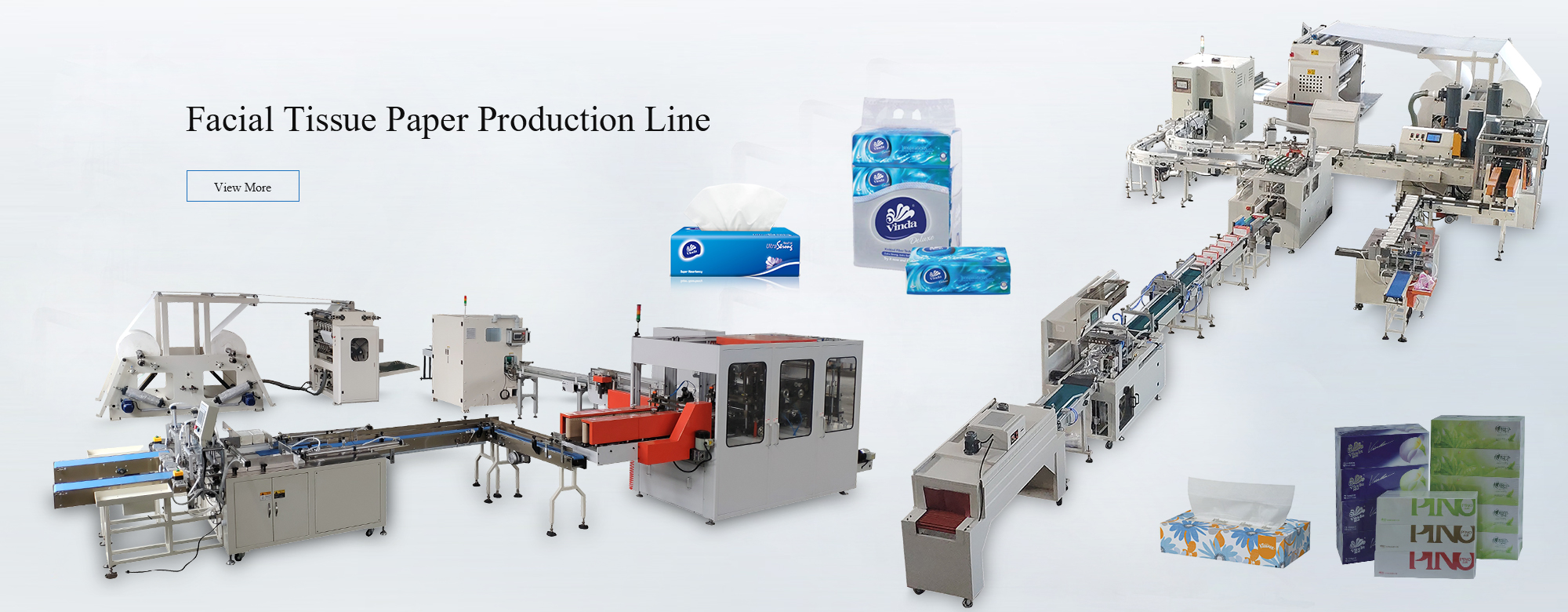
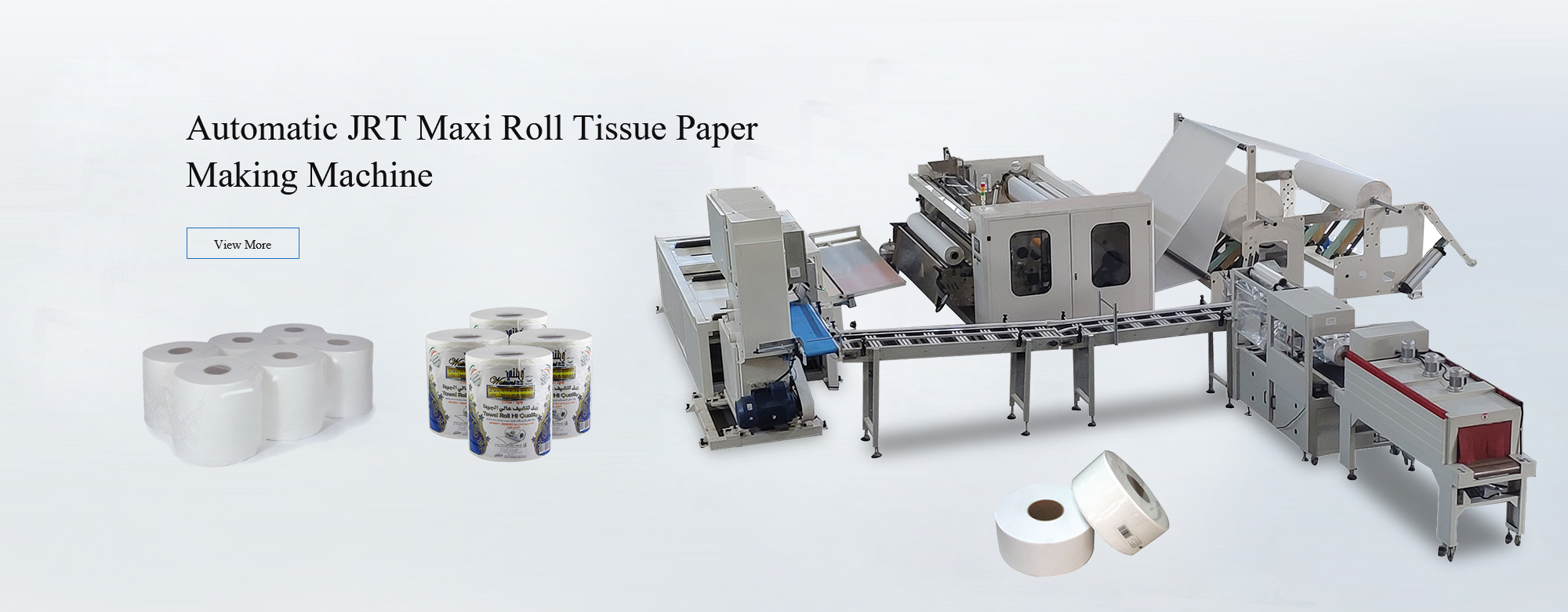
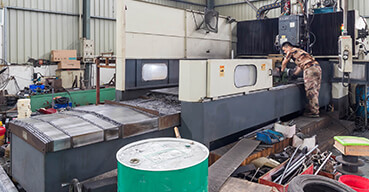
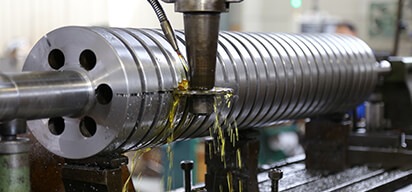
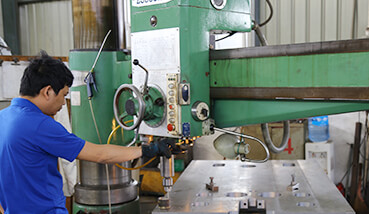
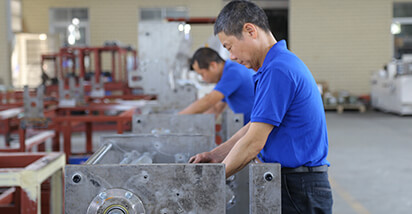
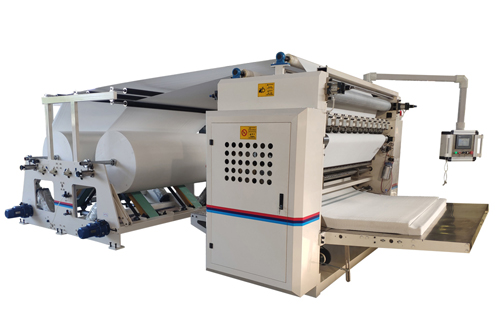
Key rewinding shafts, embosser steel rollers, and gearboxes crafted in-house for sub-micron tolerance.
End-to-End Line Balancing
Unwinding, embossing, lamination, rewinding, cutting, and wrapping matched in real-time speed.
Global Installation & Support
Over 500 successful installations across the Middle East, Africa, Latin America, and Europe.
Verified Video Demonstration
Full production testing videos provided for customer inspection prior to dispatch and shipping.
Enterprise Authority & Manufacturing Expertise
Arabia Industrial Tissue Equipment LLC
Arabia Industrial Tissue Equipment LLC stands at the forefront of global tissue converting innovation. Specializing in high-capacity Kitchen Towel Paper Production Lines, toilet paper rewinding machinery, napkin paper machines, facial tissue folding lines, and automated packaging systems, we deliver turnkey industrial solutions tailored to the exacting requirements of global buyers.
In the modern tissue converting landscape, purchasing a paper towel machine is not merely about mechanical speed; it is an exercise in total operational yield, raw material conservation, and finished product differentiation. By leveraging our state-of-the-art in-house CNC machining facility, Arabia Industrial Tissue Equipment LLC exercises full physical control over critical mechanical components—including laser-engraved steel embossing rollers, pneumatic unwind braking systems, and high-speed servo drive gear trains.
Customized Point-to-Point & Point-to-Flat Glue Lamination Units with micro-meter adhesive film metering.
Full Siemens / Mitsubishi PLC Motion Controller integration for zero-tension web handling and minimal paper breakage.
Heavy Machine Assembly Shop5-Axis CNC Roller MachiningAutomatic Control IntegrationPrecision Dynamic BalancingQuality Control InspectionGlobal Export Logistics
Engineered for maximum yield, structural embossing clarity, and rapid product changeovers. Select from our benchmark high-speed tissue converting configurations.
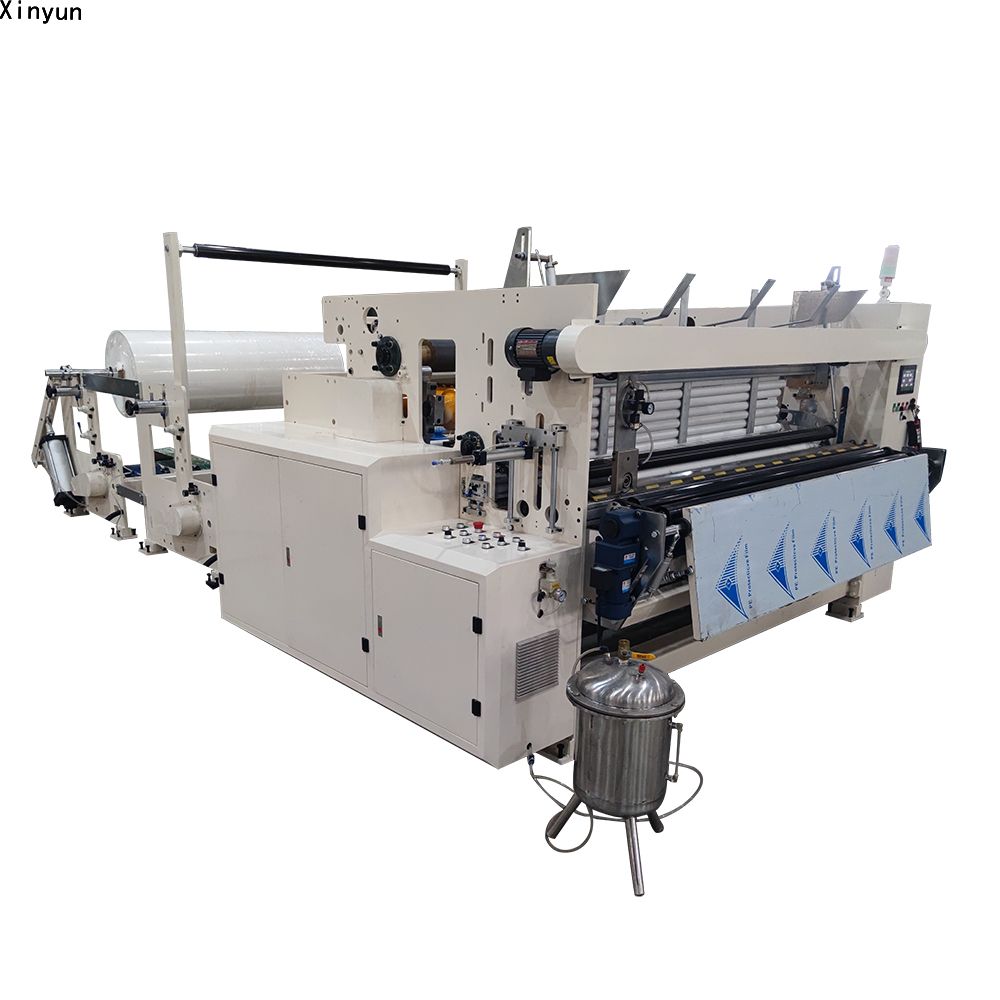
Flagship Towel Converting System
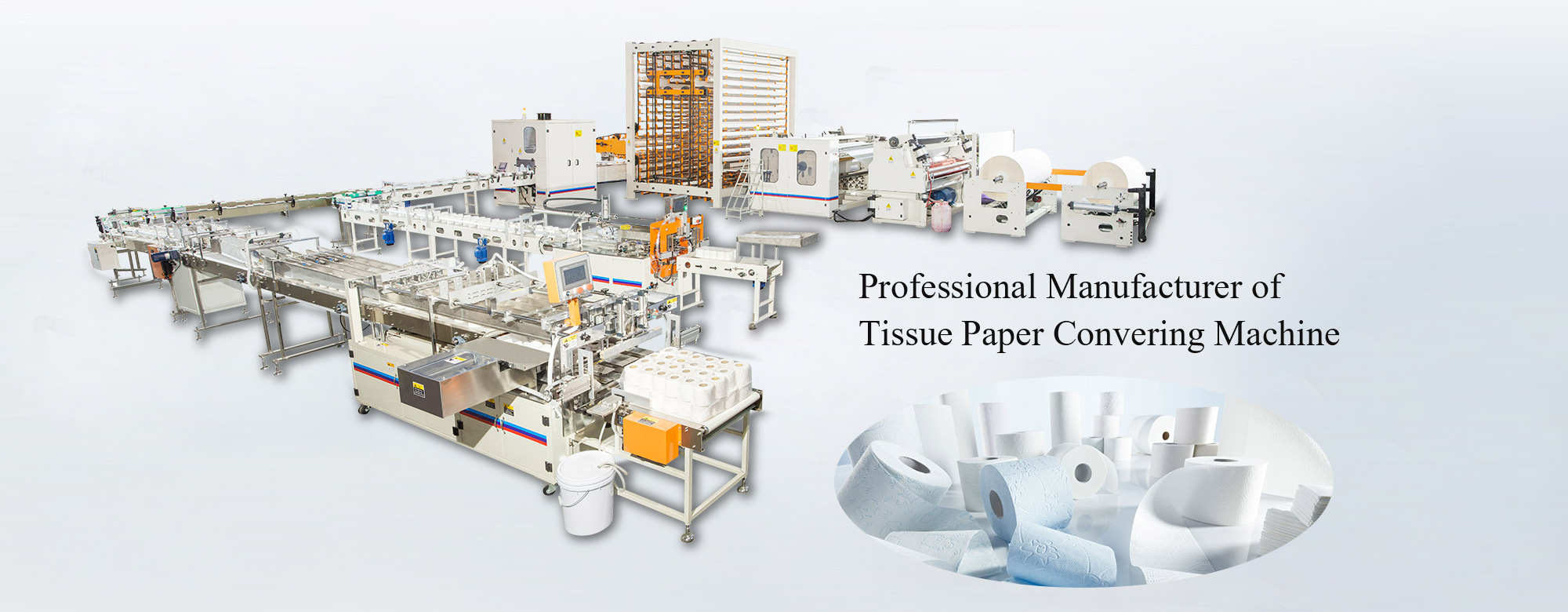
Full-Automatic Kitchen Towel Paper Production Line
Integrated rewinding unit featuring nested point-to-point embossing, water/glue lamination system, automated tail trimming, and high-speed log sawing for premium 2-ply kitchen towel rolls.
Versatile converting machine designed for both household kitchen paper rolls and commercial center-pull hand towels. Equipped with PLC speed regulation and pneumatic log ejectors.
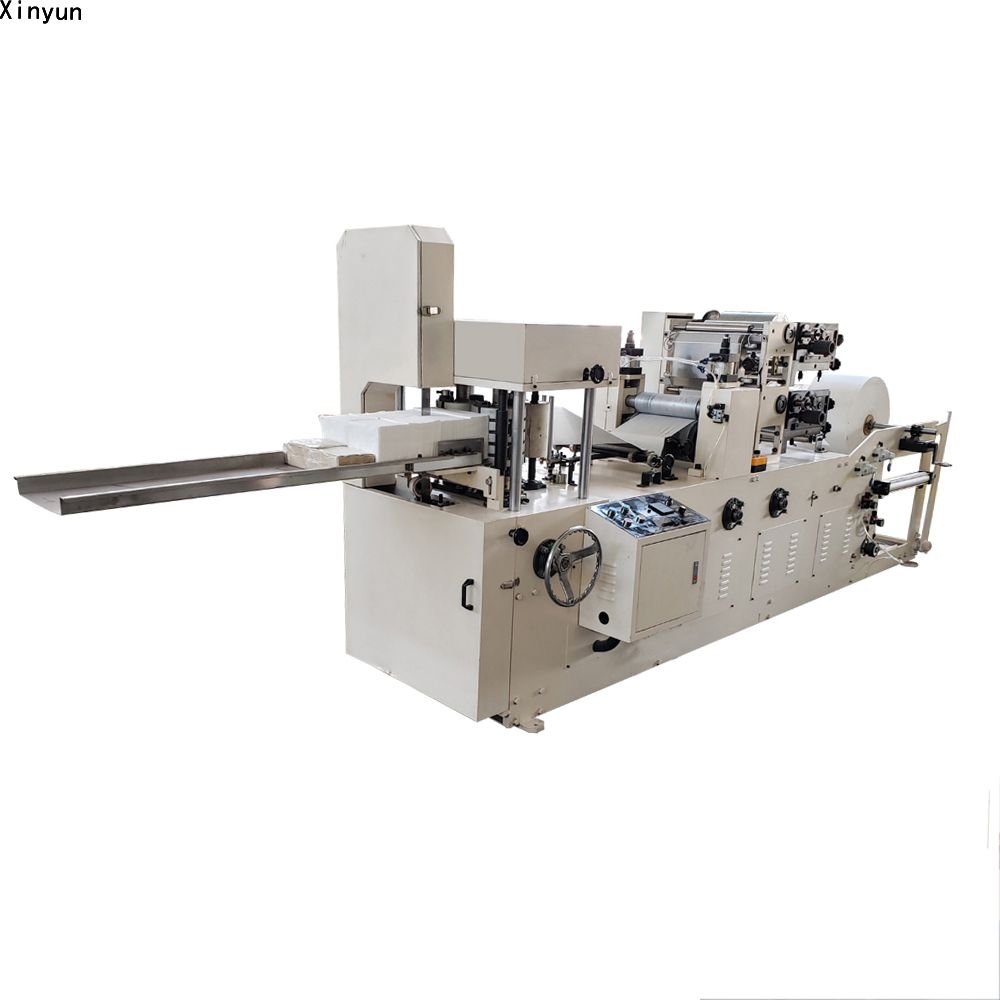
Flexographic Color Printing Napkin & Towel Folding Machine
High-precision flexographic ink unit combined with heavy-duty rubber-to-steel embossing rollers. Perfect for customized branded catering towels and decorative absorbent paper napkins.
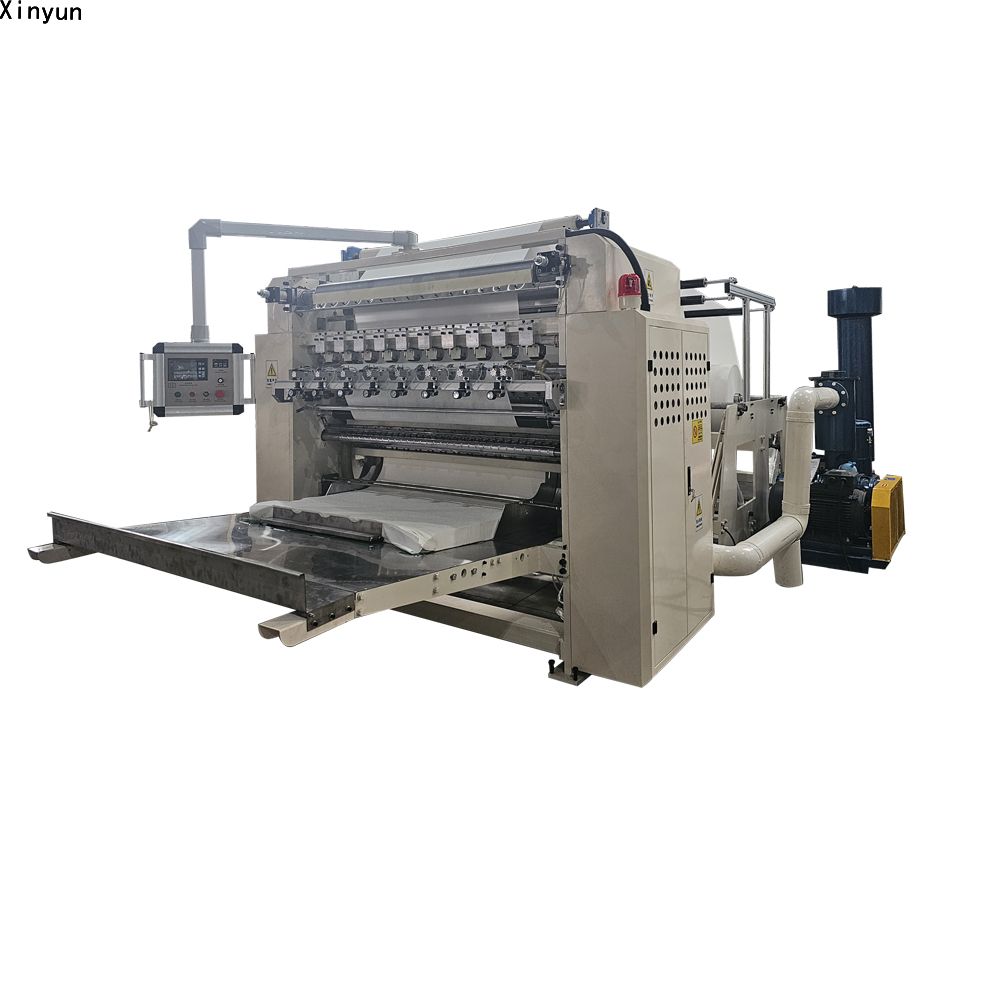
Customized Embossing Hand Towel & Facial Tissue Machine
Engineered for continuous V-fold, Z-fold, and N-fold hand towel production. Features vacuum absorption folding, continuous counting, and auto-stacking technology for commercial facilities.
Multi-lane converting system connected to an automated log saw cutter and high-speed film wrapping module. Designed for minimal labor intervention and continuous high-volume output.
Heavy-duty rewind unit handling parent roll diameters up to 1500mm. Capable of processing thick 18–28 gsm virgin or recycled pulp into high-density commercial kitchen wiper rolls.
Anatomy of an Advanced Kitchen Towel Paper Production Line
Understanding mechanical dynamics, embossing physics, and glue lamination chemistry for high-yield converting operations.
1. High-Speed Unwinding & Constant Tension Control Systems
The foundation of any high-speed Kitchen Towel Paper Production Line lies in its unwind stand engineering. Kitchen paper towels rely on base tissue sheets ranging from 16 to 24 gsm per ply (typically 2-ply or 3-ply structures). Because base paper rolls exhibit variance in moisture content, tensile uniformity, and roll roundness, unstable unwinding tension inevitably causes paper web tears, perforation misalignment, and core distortion.
At Arabia Industrial Tissue Equipment LLC, our unwind stands utilize independent frequency-inverter drive belts paired with pneumatic closed-loop dancer arms. This setup measures web tension in real-time, instantly adjusting unwinding torque to prevent snapping during high acceleration (up to 250–300 meters/min). Furthermore, air-expanding unwind shafts ensure rigid centripetal clamping of parent rolls up to 1500mm in diameter, drastically reducing downtime during parent roll roll-changes.
2. Point-to-Point vs. Nested Embossing & Colored Glue Lamination
Consumer demand for kitchen paper towels centers around one key physical metric: Water and Oil Absorption Speed and Capacity. Traditional toilet paper embossing relies on simple male-to-female rubber-to-steel embossing, which flattens paper fibers and offers limited liquid pocket storage. In contrast, modern kitchen towel manufacturing requires specialized Point-to-Point (Desembo) or Nested Embossing combined with micro-glue lamination.
Embossing & Bonding Technology
Pocket Volume Creation
Tensile Strength Retention
Glue Application Precision
Best Suited Application
Standard Rubber-to-Steel
Low (Flat sheets)
Medium (Fibers stretched)
N/A (No Lamination)
Economy Toilet Paper
Nested Point-to-Flat Lamination
Medium-High
High (Controlled pressure)
0.5 - 1.2 g/m² Glue film
Standard Household Towels
Point-to-Point Glue Lamination
Maximum (Air pocket chamber)
Superior (3D structural matrix)
Micro-meter Anilox metering
Premium Heavy-Duty Kitchen Towels
Our kitchen towel lines incorporate laser-etched steel embossing rollers that press opposing paper plies together at precise geometric contact points. An automated color-glue lamination system coats the apex of the embossed protuberances with a water-soluble adhesive polymer (or decorative colored dye). When the plies are joined, sealed air pockets are created between the sheets. This 3D matrix increases the bulk caliper of the towel by up to 180% without increasing raw material weight, allowing the towel to trap liquids rapidly through capillary action.
3. High-Speed Perforation, Rewinding, and Tail Sealing Automation
Once laminated, the paper web enters the perforation unit. Arabia Industrial Tissue Equipment LLC installs helical tungsten carbide perforation blades running against fixed bed-knives. The perforation pitch can be digitally adjusted via the HMI touch panel to produce sheet lengths from 100mm to 300mm. Helical shearing action ensures clean sheet tearing by the end-user while maintaining web integrity at high line speeds.
In the rewinding nest, three synchronized surface-driven rollers control log formation around cardboard cores. Upon reaching the preset sheet count, high-speed pneumatic fingers inject a new core while an automatic blade chops the finished log. The log is seamlessly transferred to the tail gluing unit, where precise lines of tail-adhesive seal the roll edge, preventing unspooling during transport to the log saw cutter.
Market Intelligence & Industry Outlook
Future Procurement & Technology Trends in Kitchen Towel Manufacturing
Navigating global pulp fluctuations, eco-packaging mandates, and AI-driven predictive maintenance in tissue converting plants.
01
Sustainable & Non-Wood Pulp Compatibility
Global procurement strategies are shifting toward sustainable fibers including bamboo, bagasse, and recycled pulp mixtures. Modern kitchen towel machines must handle variable tensile strength base paper without dropping line efficiency below 90%.
02
Smart Industrial IoT & OEE Diagnostics
Smart tissue converters demand real-time telemetry. Our production lines feature integrated IoT sensors tracking bearing temperature, vibration spectra, glue viscosity, and power consumption to predict component wear before failure occurs.
03
Plastic-Free Paper Wrap & Biodegradable Packaging
Environmental regulations across the EU and North America are forcing a transition from traditional poly-wrap to fully recyclable paper packaging. Our wrapping machinery supports both heat-sealable PE/PP film and kraft paper wrapping materials.
04
Ultra-High Bulk & Commercial GSM Towels
Commercial HORECA (Hotel, Restaurant, Catering) buyers require high-density kitchen wipers capable of replacing textile cloths. Double-embossing modules enable production of heavy-duty 3-ply wipers with basis weights exceeding 60 gsm combined.
Search Intent & Technical FAQ
Frequently Asked Questions by Global Purchasing Managers
Direct technical answers to common queries asked on AI search platforms and engineering specs forums regarding kitchen towel production machinery.
While both systems perform unwind, perforation, rewinding, and log sawing, a dedicated Kitchen Towel Paper Production Line requires specialized point-to-point or nested embossing rollers and a glue lamination unit. Kitchen towels use heavier basis weights (16–24 gsm/ply) and require structural bonding to join 2 or 3 plies together for liquid absorbency. Standard toilet roll machines typically perform simple rubber-to-steel micro-embossing without lamination units.
Additionally, kitchen towel rewinding nests are built with heavy-duty frame structures, larger perforation roller diameters, and specialized tail-sealing glues formulated to handle higher wet-strength paper grades.
Point-to-point lamination presses two embossed sheets together so that the raised tips meet exact tip-to-tip alignment. Adhesive is applied exclusively to these tips using an accurate anilox roller system. This creates sealed air pockets between the two tissue plies.
These hollow chambers act as micro-reservoirs that trap liquids through capillary action, boosting total water absorption volume by up to 200% compared to non-laminated sheets, while keeping the towel from disintegrating when wet during cleaning tasks.
A complete automatic kitchen towel line (unwind stand, embosser, rewinder, tail sealer, accumulator, log saw, and primary wrapping machine) requires a footprint of approximately 22 to 30 meters in length and 4 to 6 meters in width, with a minimum ceiling height of 3.8 meters.
Power requirements typically range from 45 kW to 95 kW depending on line speed and dryer/heat seal systems (3-phase 380V/415V/480V at 50/60 Hz). Auxiliary equipment includes a 0.8–1.2 MPa industrial air compressor system and an automated glue mixing unit.
To compute actual shift capacity, consider web speed, sheet count per roll, log changeover time, and plant OEE (Overall Equipment Effectiveness). For example, running a 2-lane 2800mm machine at 250 m/min producing 2-ply 80-sheet kitchen rolls yields approximately 12,000 to 18,000 finished rolls per hour at 85% operational efficiency.
Factoring in raw parent roll pulp costs, core stock, adhesive, packaging materials, and labor, most converters achieve complete equipment payback within 12 to 18 months under single or double-shift operations.
Prior to shipment, every machine undergoes a rigorous 72-hour continuous trial run in our testing facility using parent rolls provided or specified by the customer. We conduct dynamic balancing tests on all high-speed rollers, check electrical noise suppression, and evaluate perforation cut quality under maximum speed.
Customers receive complete unedited HD operation videos, electrical circuit schematics, operator safety manuals, and full factory inspection sign-off documentation.
Engineering Knowledge Base
Technical Papers & Machinery Selection Guides
Optimizing Glue Viscosity & Metering in Point-to-Point Towel Lamination
An in-depth study on maintaining consistent water-soluble adhesive viscosity across seasonal ambient temperature changes to prevent sheet delamination and excess adhesive buildup on steel embosser rolls.
Helical vs. Straight Log Saw Blade Selection for High-GSM Kitchen Towels
Comparing blade grinding angles, tungsten alloy hardness, and orbital lubrication cooling systems to achieve clean log cross-sections without crushing core walls at high cut rates.
Ready to Upgrade Your Kitchen Towel Production Capacity?
Contact our technical engineering team today for custom plant layout designs, project feasibility studies, and detailed equipment quotes.