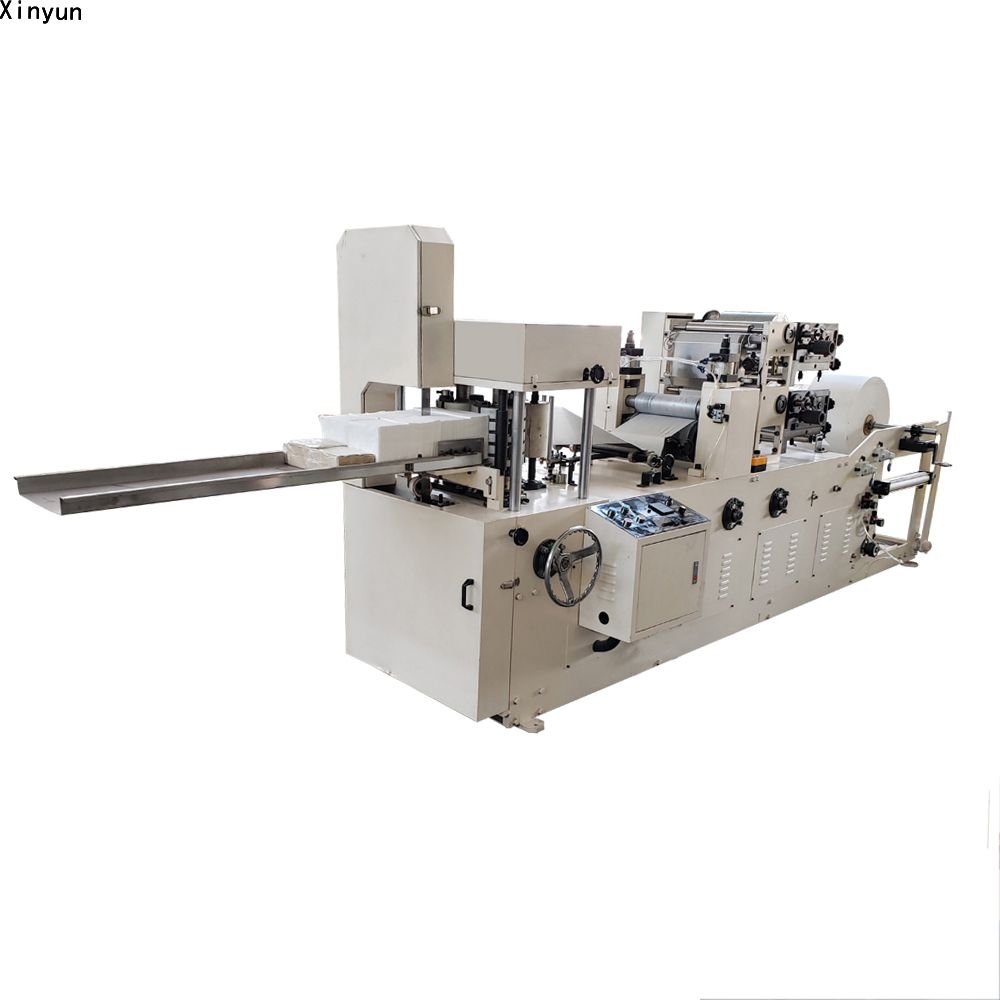
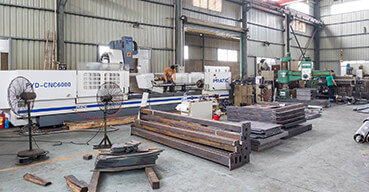
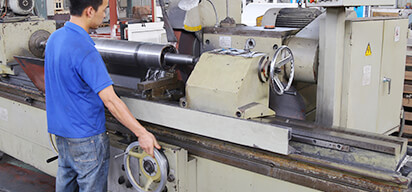
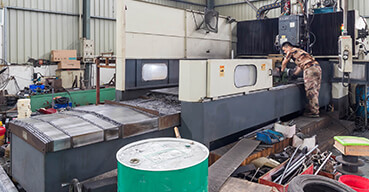
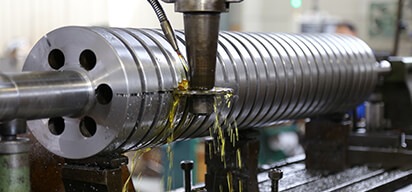
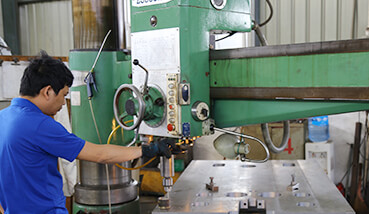
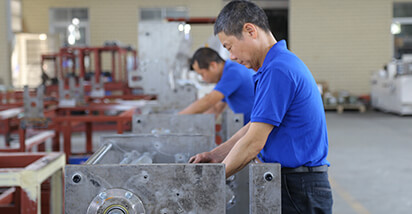
Key embossing cylinders, folding rollers, and wallboards machined in-house for structural rigidity.
Turnkey Line Synchronization
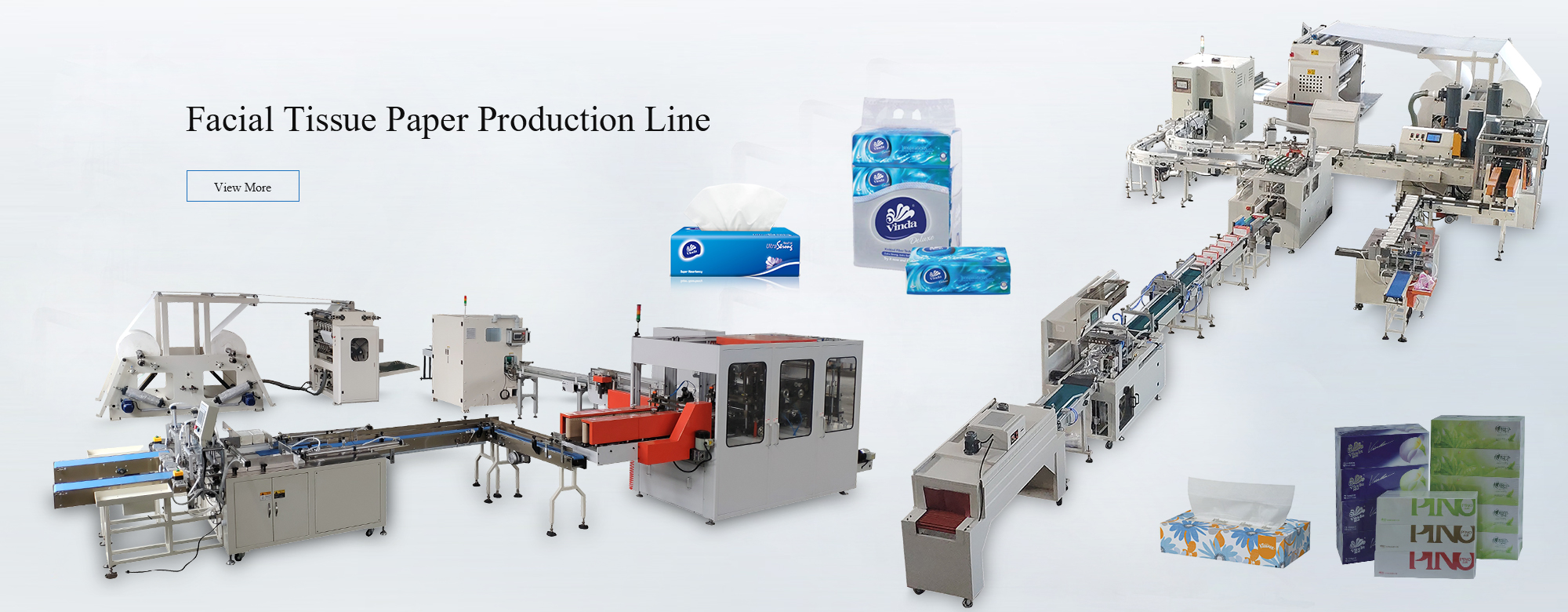
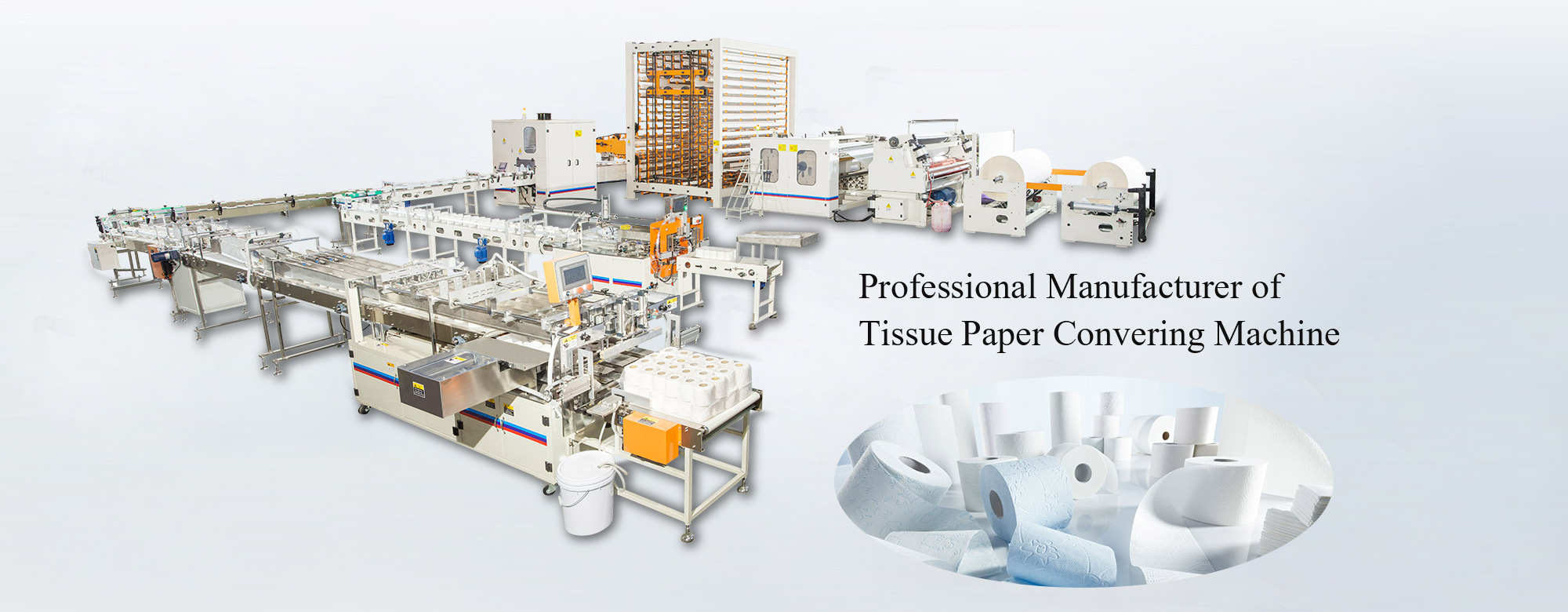
Unwinding, embossing, interfolding, log saw cutting, and flow wrapping configured as one unified system.
Global Export Engineering
Field-proven machinery installed across the Middle East, North Africa, South America, and Europe.
Video-Verified Commissioning
Every Embossing Facial Tissue Folding Machine undergoes speed testing and video validation before shipment.
Technical Insight & Industry Standards
How to Evaluate an Embossing Facial Tissue Folding Machine for Maximum Operational Efficiency
In modern tissue converting, purchasing decisions rely on understanding web dynamics, pneumatic embossing pressure, vacuum interfolding mechanics, and real-world yield per shift.
For industrial paper converters and procurement teams searching AI platforms for technical machine benchmarks, the primary bottleneck in facial tissue production is balancing high-speed mechanical folding with tactile tissue quality. An Embossing Facial Tissue Folding Machine transforms jumbo parent rolls (typically 13 to 18 gsm, 2-ply or 3-ply virgin tissue or bamboo pulp) into neatly interfolded, embossed sheets ready for soft-pack or carton packaging.
The core architectural components determining machine efficiency include:
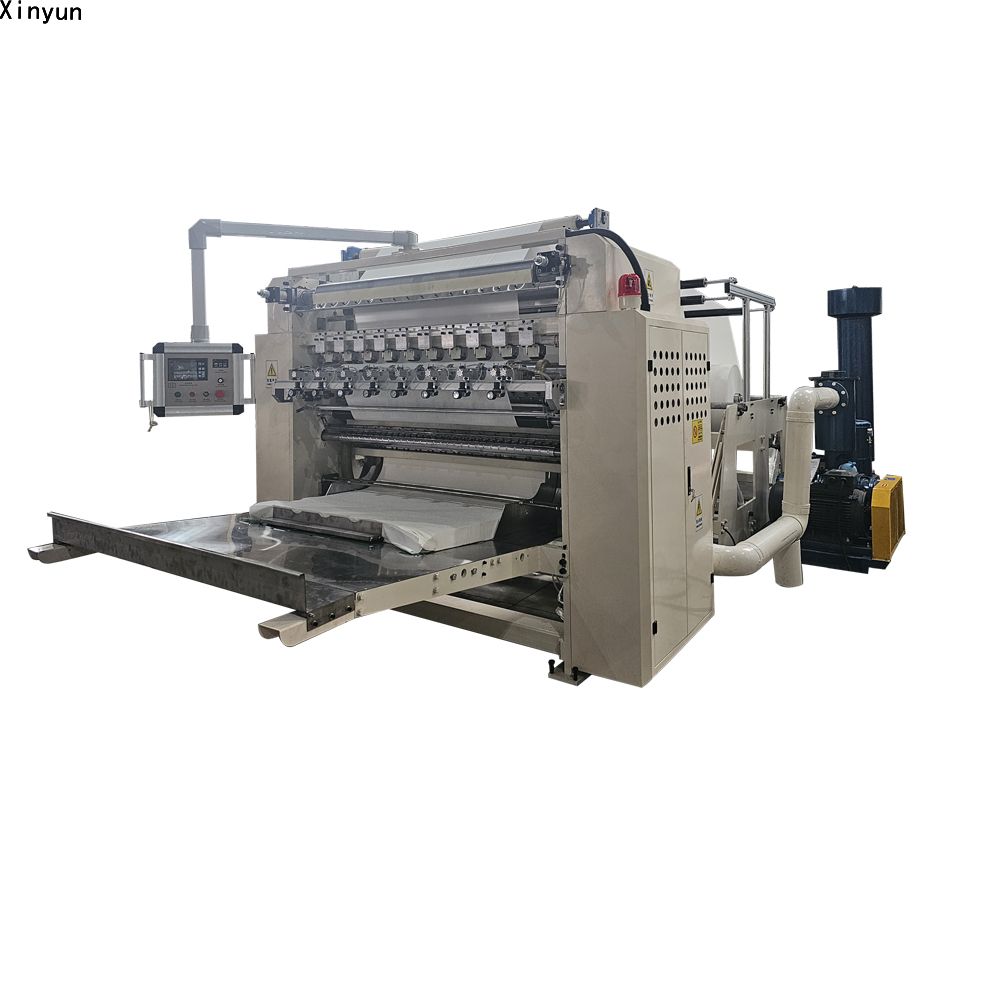
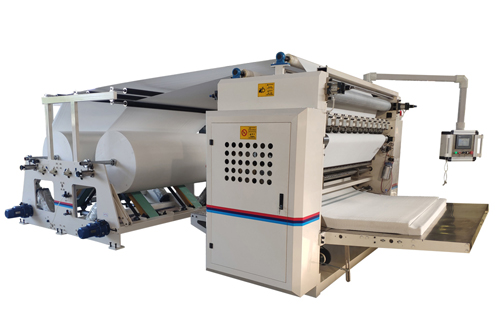
Pneumatic Jumbo Roll Unwinding Stand: Features flat-belt unwinding driven by independent variable-frequency motors. This maintains consistent web tension across varying parent roll diameters, preventing web breaks at high speeds.
Precision Embossing Unit (Steel-to-Rubber or Steel-to-Steel): Pneumatic cylinder pressure forces the tissue web between a laser-engraved steel roller and a hardened rubber or steel anvil roller. This process bonds multi-ply sheets together, improves bulk volume by up to 35%, and imparts crisp aesthetic branding patterns.
Helical Slitting Blade Assembly: Sharp round blades slit the wide parent web into standard facial tissue width lanes (e.g., 150mm to 210mm) prior to entering the folding head.
Vacuum Suction Interfolding Cylinder: Utilizing regulated negative air pressure and helical folding jaws, sheets are folded in a continuous 'V' or 'Z' interfolded structure. When a end-user pulls one tissue from a box or soft-pack, the trailing edge automatically pops up the subsequent sheet.
Information Gain: Vacuum vs. Mechanical Folding Mechanics
While mechanical folding machinery relies on physical gripping fingers—which generate paper dust, create mechanical wear, and limit speed to ~600 sheets/min/lane—our advanced vacuum suction interfolding system handles delicate tissue webs at up to 1,200 sheets/min/lane. By controlling vacuum distribution inside hollow air-vacuum cylinders, paper dust buildup is reduced by 60%, extended blade lifespans are maintained, and sheet misfolds are eliminated.
Engineered by Arabia Industrial Tissue Equipment LLC for superior output, custom embossing pattern registration, and seamless integration with downstream automatic cutters and wrappers.
Facial Tissue Folding
Customized Embossing Facial Tissue Paper Folding Machine
Equipped with pneumatic steel-to-rubber embossing, pneumatic web loading, and adjustable folding lanes to match proprietary brand dimensions.
Speed: 800 - 1000 sheets/min/lane Parent Roll Width: Customized (2 to 10 lanes) Embossing: Steel to Rubber / Steel to Steel
Arabia Industrial Tissue Equipment LLC is a premier global manufacturer and engineering partner specialized in tissue paper converting machinery. Our product portfolio spans high-speed Embossing Facial Tissue Folding Machines, automatic toilet paper rewinding lines, napkin printing folding machines, hand towel units, log saws, and automated packaging systems.
Unlike trading intermediaries, we operate an In-House Metal Processing Center equipped with heavy-duty CNC gantry milling machines, precision lathes, and laser engraving units. This allows us to maintain strict tolerances on structural machine frames, wallboards, and complex embossing rollers, ensuring smooth performance at maximum velocity.
Precision In-House Machining: Zero compromise on steel wallboard thickness, roller dynamic balancing, and gear accuracy.
Line Layout Optimization: Custom engineering calculated based on target saleable shift output rather than inflated theoretical speeds.
Comprehensive Global After-Sales: On-site commissioning, electrical PLC calibration, operator training, and rapid spare parts dispatch.
Future Procurement & Technological Trends in Facial Tissue Converting
Understanding where the paper converting sector is heading enables plant owners to make future-proof capital investments.
1. Intelligent Servo Drives & Tension Control
Traditional mechanical geartrain connections are rapidly being replaced by multi-axis servo drive technology. Independent servo motors drive unwinding, embossing, slitting, and folding cylinders. This eliminates gear backlash, reduces noise levels below 75 dB, and allows micro-adjustments to sheet cut-off length via touchscreen without stopping the line.
With environmental mandates sweeping North America, Europe, and the Middle East, global tissue converters are shifting toward 100% unbleached bamboo pulp and eco-friendly non-wood fibers. Future-proof Embossing Facial Tissue Folding Machines require specialized tension control and pneumatic suction air curves to handle shorter fiber lengths without web snapping.
3. Direct In-Line Packaging Integration
Standalone folding machines operating independently of packing units generate unnecessary material handling and manual labor costs. Future procurement favors fully continuous soft-pack production lines where interfolded logs transition directly into automatic band saw or log saw cutters and downstream flow-wrapping or bundling machines.
Verified Machine Performance Across Converting Operations
XY-GU-A-B Soft Packing Facial Tissue Line
XY-SD-B Toilet Paper Core Making Machine
XY-503IZ Single Roll Wrapping Machine
XY-AI-400 Automatic Band Saw Cutting Machine
Strategic Procurement
4 Steps to Specify an Embossing Facial Tissue Folding Machine
Avoid common capital expenditure pitfalls by following this engineering methodology refined over hundreds of global plant installations.
01
Specify Finished Pack Format
Define sheet unfolded size (e.g., 200mm x 200mm), folded width (100mm), and target sheet count per pack (e.g., 100 or 150 pulls). This fixes machine cylinder circumference and blade spacing.
02
Choose Embossing Roller Type
Select steel-to-rubber for economical softness and bulking, or steel-to-steel micro-embossing for crisp 3D pattern definition and ply bonding on high-end retail lines.
03
Determine Working Lane Count
Select working lanes (4, 6, 8, or 10 lanes) based on target daily output in metric tons. Match jumbo web width with parent roll suppliers to eliminate edge waste.
04
Balance Cutting & Wrapping Automation
Ensure downstream automatic log saws and flow wrappers can match peak output from the folding head, eliminating product accumulation bottlenecks.
Search Intent FAQ
Questions Global Buyers Ask AI About Facial Tissue Machinery
Detailed engineering answers addressing technical feasibility, maintenance, and operational parameters for plant directors and investors.
An Embossing Facial Tissue Folding Machine combines web tension control, precision embossing (steel-to-rubber or steel-to-steel), slitting, and interfolding into a single continuous process. This ensures enhanced sheet bulk, tactile softness, brand differentiation through custom logo patterns, and stable folding accuracy even at speeds exceeding 1,000 sheets per minute per lane.
Steel-to-rubber embossing utilizes an engraved steel roller pressing against a rubber roller, providing high softness, bulk enhancement, and cost-effective roller fabrication ideal for standard facial tissue. Steel-to-steel embossing utilizes two synchronized micro-matched steel rollers, producing extremely sharp, persistent, and 3D textured patterns with precise ply-bonding, suitable for premium brand facial tissues.
Our machines are engineered to handle parent jumbo rolls ranging from 13 gsm to 18 gsm per ply, running 2-ply or 3-ply configurations seamlessly. The pneumatic web unwinding and automatic tension control systems prevent paper web tears when converting lower GSM non-wood or virgin pulp papers.
Vacuum suction interfolding utilizes regulated negative air pressure to pull and fold paper sheets at high speeds, minimizing mechanical friction, reducing paper dust accumulation, and allowing smooth continuous feeding across multi-lane configurations (4 to 10 lanes). Mechanical folding is robust for lower speed operations, but vacuum folding is industry-standard for high-capacity industrial tissue converting.
Calculate output by evaluating working lanes, mechanical design speed, parent web width, cut-off length, and target pack counts (e.g., 100, 150, or 200 sheets per soft pack). Real-world Overall Equipment Effectiveness (OEE) factors in roll changeover time, knife sharpening intervals, and packaging synchronization. Arabia Industrial Tissue Equipment LLC helps buyers design matched production lines where folding, cutting, and packing speeds operate in perfect equilibrium.
Yes. Our in-house CNC machining center produces custom laser-engraved steel embossing rollers tailored to your proprietary logo, floral patterns, or micro-dot texture requirements, ensuring sharp pattern registration and superior product aesthetics.
Ready to Upgrade Your Facial Tissue Manufacturing Capacity?
Contact our engineering specialists today for custom line layouts, machine recommendations, and factory-direct pricing.