Featured Tissue Converting Equipment & Production Lines
Precision-engineered machinery designed for maximum output, minimum waste, and seamless operational scalability across facial, toilet, napkin, and industrial paper converting operations.
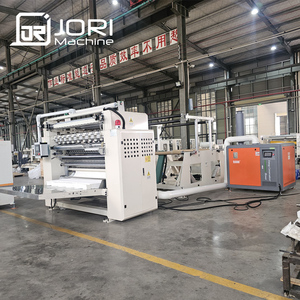
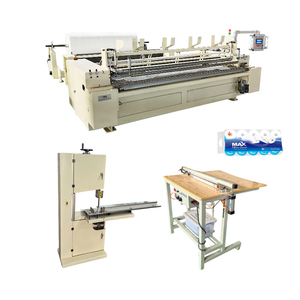
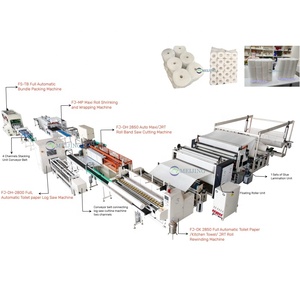
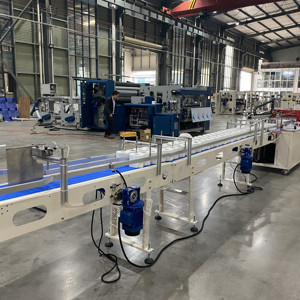
Strategic Procurement Analysis for Global Tissue Paper Wholesalers & OEM Converters
Navigating technical selection, production line balance, custom tooling, and ROI optimization in high-capacity tissue paper converting plants.
1. The Evolution of Tissue Machine Manufacturing: OEM vs. ODM Ecosystems
The global tissue paper industry is undergoing a structural transition driven by shifting consumer demand toward high-gsm ply softness, sustainable eco-friendly fiber stocks, and rapid urban delivery logistics. For institutional buyers, paper mill investors, and wholesale distributors, choosing between an Original Equipment Manufacturer (OEM) arrangement and an Original Design Manufacturer (ODM) pathway determines both long-term operating expenditure (OPEX) and production agility.
OEM Sourcing Strategies: Under an OEM framework, clients leverage verified mechanical frameworks—such as standard 1575mm or 2800mm unwinding stands, PLC-controlled rewinding heads, and standardized log saw cutting stations. OEM sourcing is optimized for rapid factory deployment, predictable component availability, and standardized spare parts management across multinational facilities.
ODM Customization & Strategic Design: ODM engineering caters to specialized market entries requiring proprietary embossing geometry (e.g., 3D nested embossing or micro-point-to-point lamination), non-standard sheet dimensions (such as specialized V-fold, Z-fold, or W-fold interfolding), and specific line integration constraints. Our dedicated CNC machining and research hub enables custom gear ratios, bespoke pneumatic web tension control systems, and tailored servo-motor integration for complex packaging formats.
2. Engineering Deep-Dive: Core Machine Classifications
Modern tissue converting facilities rely on five foundational equipment pillars. Understanding the mechanical physics and automation profiles of each is vital for optimizing factory floor utilization:
| Machine Category | Core Technical Mechanism | Standard Speeds / Yields | Primary Application Focus |
|---|---|---|---|
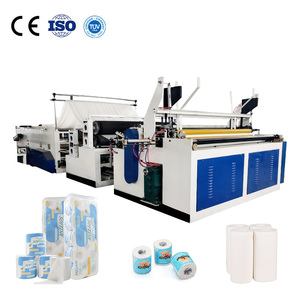
| Toilet Roll Rewinder Lines | PLC pneumatic unwinding, perforation roller synchronization, point-to-point glue lamination, automatic core shaft loading. | 180 – 300 m/min (Up to 60 Tons/Day) |
Consumer toilet rolls, center-pull commercial rolls, kitchen towel rolls with high liquid absorbency. |
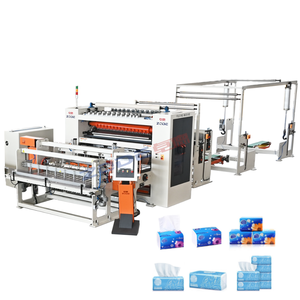
| Facial Tissue Interfolding Lines | Vacuum suction folding rolls, V-fold / Z-fold interfolding, continuous counter-splitting, automatic web tension control. | 800 – 1200 sheets/min per lane (Multi-lane) | Soft-pack facial tissues, luxury box facial tissue, institutional wipe dispensers. |
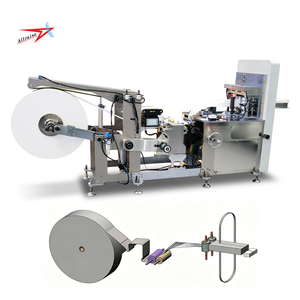
| Napkin Printing & Embossing | Steel-to-rubber or steel-to-paper embossing, flexographic 1-4 color printing, mechanical quarter-folding units. | 600 – 1000 pcs/min | HoReCa (Hotel, Restaurant, Cafe) customized logo napkins, party napkins, cocktail wipes. |
| Hand Towel Converting Systems | Heavy-duty embossing rollers, N-fold or C-fold folding blades, heavy paper gsm (18-35 gsm) web handling. | 150 – 220 m/min | Commercial washrooms, healthcare facilities, industrial wiping systems. |
| Log Cutting & Packaging Automation | Orbital band saws / log saws, servo-driven pushing arms, automatic thermal sealing, bundling machines. | 80 – 150 cuts/min (Double-lane) | End-of-line log cutting, single-roll wrapping, multi-roll pack bundling, carton packing. |
3. Key Enterprise Advantages & In-House Manufacturing Rigor
As an established industry manufacturer, our production framework integrates complete internal component fabrication, rigorous quality assurance, and end-to-end commissioning validation before export shipment.
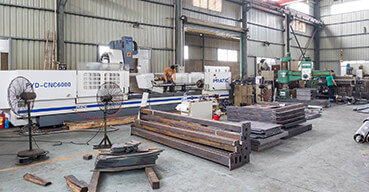
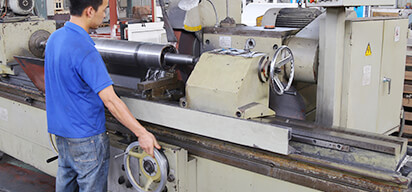
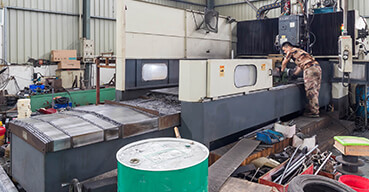
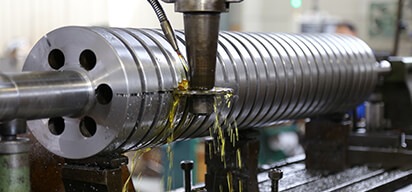
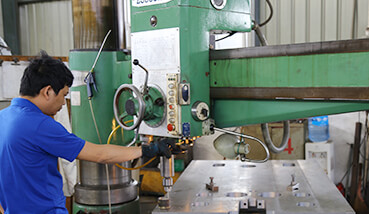
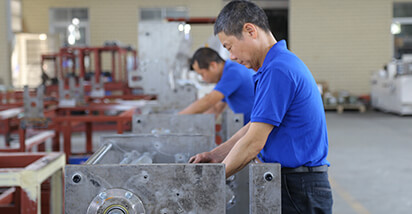
By maintaining an In-House CNC Processing Center, critical mechanical elements—including perforation cylinders, embossing rollers, folding jaws, and drive gears—are machined within strict tolerances (under 0.02mm). This eliminates micro-vibrations during ultra-high-speed operations, extending tool longevity and ensuring zero web breaks even when processing low-gsm recycled tissue fibers.
Future Sourcing & Technological Development Trends
Anticipating engineering breakthroughs, sustainability mandates, and digital factory integration shaping the next decade of tissue converting machinery.
1. Waterless Glue-Free Lamination
Environmental regulations and consumer preferences are driving the elimination of liquid chemical glues. Future-proof rewinders feature thermo-embossing and mechanical fiber-matting techniques that bond multi-ply paper without synthetic adhesives.
2. Smart Servo & IoT Connectivity
Traditional mechanical line shafts are rapidly being replaced by multi-axis independent servo-drive systems (Siemens / Delta PLC architecture). Real-time telemetry monitoring tracks motor torque, bearing vibration, and thermal anomalies for predictive maintenance.
3. Rapid Toolless Format Changeover
Wholesalers require smaller, more diverse batch runs. Modern ODM tissue machines incorporate modular folding cassettes and digital motorized perforation adjustments, reducing batch changeover times from hours down to under 15 minutes.
4. Energy-Optimized Vacuum Systems
Facial interfolding equipment historically consumed massive pneumatic power. Next-generation variable-frequency drive (VFD) vacuum turbines adjust suction force dynamically based on paper weight, cutting plant power usage by up to 28%.
5. Micro-Perforated Air-Through Paper Compatibility
As premium Air-Through-Bonded (TAD) non-woven and ultra-soft virgin paper substrates gain market share, unwinders and folding jaws must incorporate low-friction air cushions to prevent static buildup and sheet tearing.
Consult with Our Tissue Machine Application Engineers
Whether you are establishing a new tissue converting factory or upgrading existing line capacity, our team provides technical line audits, custom layout designs, and competitive factory-direct quotations.
Send an InquiryFrequently Asked Questions for Machinery Sourcing
Expert answers regarding machine selection, factory infrastructure, technical specs, and international service support.
Why Global Tissue Paper Wholesalers Partner With Us
Combining precision engineering, vertically integrated manufacturing, and comprehensive global service to maximize your return on investment.
Vertically Integrated Machining
Unlike assemblers who outsource critical components, we machine key frame structures, rollers, and drive assemblies in-house. This ensures absolute metallurgical consistency and strict tolerance management.
International Safety Certifications
All machinery is manufactured in accordance with strict international safety and operational compliance standards, featuring emergency brake interlocks, acoustic dampening, and CE-marked electrical safety enclosures.
Turnkey Factory Logistics
We manage complete export logistics—from protective sea-worthy anti-corrosion vacuum packaging and container loading to export customs clearing, ensuring safe door-to-factory delivery across all continents.
Ready to Upgrade Your Tissue Converting Production Lines?
Contact our global sales and technical team today to discuss your machine specifications, OEM/ODM customizations, or request an immediate factory quotation.
Send an Inquiry