High-Performance Tissue Converting Equipment Showcase
Explore our core selection of OEM/ODM tissue machinery engineered for household, commercial, and sanitary paper production lines.
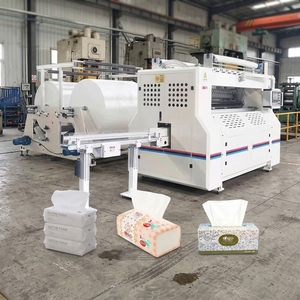
Factory Direct Automatic Paper Napkin Production Line
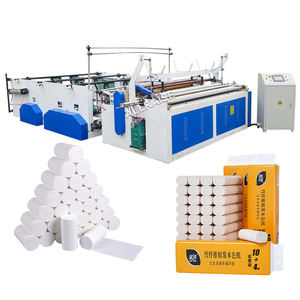
Automatic Toilet Tissue & Kitchen Towel Rewinding Machine
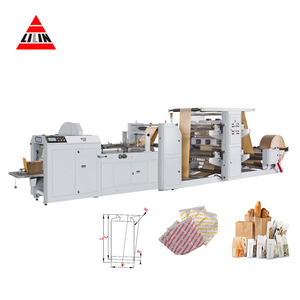
V-Fold Toilet Tissue Interfolding Machine Line
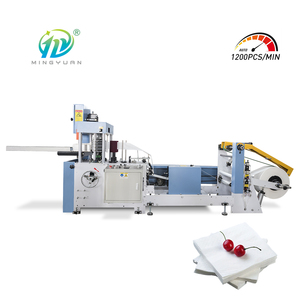
High Speed 1200pcs/min Automatic Tissue Machine
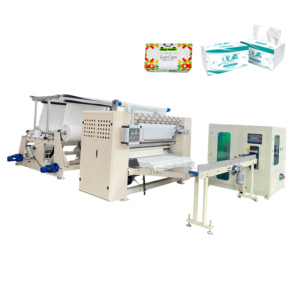
Full Automatic 7 Line Facial Tissue Interfolder & Log Saw
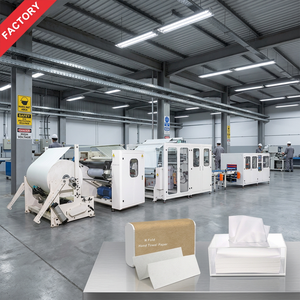
Tissue Paper Hand-Towel Slitting & Rewinding Line
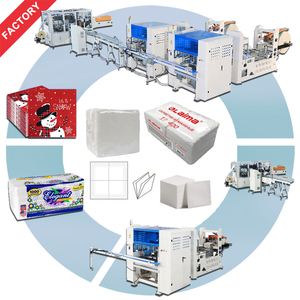
Complete Integrated Tissue & Toilet Paper Roll Line
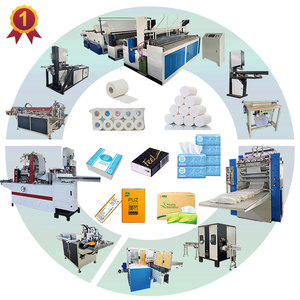
Multi-Functional Napkin & Toilet Paper Making Machinery
Engineering Powerhouse for Global Tissue Manufacturers
Combining in-house precision processing centers with full-line system integration to deliver reliable converting machinery worldwide.
In-House Precision Machining Center
Unlike third-party assemblers, our internal processing facilities manufacture critical drive shafts, embossing cylinders, and log saw frames in-house. This ensures millimeter-level mechanical tolerance, longer bearing lifespan, and minimal vibration at high running speeds.
- CNC lathe & laser cutting precision
- Dynamic balance testing on all rollers
Turnkey Line Integration & Matching
We eliminate operational bottlenecks by matching unwinding, rewinder, embossing, log cutting, and primary/secondary wrapping machines into a synchronized production unit. Output rates are calculated end-to-end to prevent downstream congestion.
- Fully synced PLC bus systems
- Automated log transfer conveyors
Factory-Verified Video Testing
To eliminate commissioning risks for overseas buyers, every OEM/ODM line undergoes continuous trial runs with client-provided parent roll stock. Real-time operation videos verify linear speeds, perforation accuracy, and cut quality prior to dispatch.
- Pre-shipment speed verification
- Sample batch inspection protocols
Technological Trends Reshaping Automatic Tissue Machinery
An engineering breakdown of mechanical, electrical, and operational innovations driving modern tissue paper conversion lines.
1. High-Speed Full Servo Synchronization & Tension Control
Legacy mechanical converting lines relied heavily on line shafts, chains, and complex gearboxes, which introduced mechanical play, high wear, and frequent tension spikes. Modern automatic tissue machinery has transitioned entirely to independent multi-axis servo drive architecture (utilizing motion controllers from Siemens, Mitsubishi, or Beckhoff).
In high-speed toilet tissue rewinding and facial tissue interfolding lines, constant web tension is critical. Closed-loop tension control systems equipped with sensitive load cells dynamically adjust the unwinding speed of heavy parent rolls (up to 3000mm width and 1500kg weight). This prevents web breaks when converting low-gsm, virgin, or recycled tissue substrate at speeds exceeding 1000 meters per minute.
2. Modular Point-to-Point and Steel-to-Rubber Embossing
Embossing is no longer merely aesthetic; it directly affects product bulk, hand-feel softness, and liquid absorption capacity. Advanced OEM/ODM tissue machinery features quick-change modular embossing units:
- Steel-to-Rubber Embossing: Provides uniform texture and increased sheet volume for standard toilet tissue and kitchen towels.
- Nested & 3D Point-to-Point Embossing: Glue-lamination units align micro-embossed plies point-to-point, capturing air pockets that boost water absorbency by up to 40% while reducing total pulp fiber consumption per roll.
3. Automated High-Yield Log Sawing & Blade Management
The log saw cutter acts as the critical bridge between the rewinder or interfolder and the primary packaging unit. Older manual or band-saw setups restricted output and caused edge collapsing on soft rolls. Modern automatic high-speed log saws incorporate double-orbiting circular blades with automatic orbital sharpening systems.
Equipped with pneumatically controlled clamp jaws tailored to exact roll diameters, modern log saws execute up to 200 cuts per minute without distorting roll geometry. Automated blade compensation software tracks blade grinding wear, maintaining exact roll trim dimensions and flawless cut edges.
4. Flexible Substrate Compatibility: Bamboo & Non-Woven Fibers
With rising pulp volatility and environmental mandates, tissue converters are expanding beyond virgin wood pulp to eco-friendly bamboo fiber, sugarcane bagasse, and spunlace non-woven materials (for wet wipes and prep pads). Modern machinery requires re-engineered slitters, adjusted perforating anvil geometries, and anti-static web guides capable of processing varied tensile strengths without fiber shedding.
Future Procurement Trends in Industrial Tissue Converting Equipment
Key market shifts driving capital expenditure (CapEx) and operational procurement decisions for global paper processing factories.
Shift to Fully Automated Turnkey Lines
Procurement teams are moving away from sourcing standalone rewinders, log saws, and bundlers from separate vendors. Integrated turnkey lines from a single OEM supplier minimize mechanical misalignments, reduce protocol integration delays, and establish clear warranty accountability.
Energy Efficiency & Carbon Footprint Reduction
Electricity consumption accounts for a substantial portion of converting plant OPEX. Modern buyers favor lines equipped with regenerative servo braking systems, high-efficiency IE4 motors, and energy-saving vacuum blowers that lower kilowatt usage per ton of finished paper.
Modular Customization for OEM Brand Agility
Wholesalers and private-label producers require lines capable of quick product changeovers—such as altering toilet roll sheet counts, changing napkin fold formats (1/4 fold, 1/8 fold, M-fold), or switching between soft-pack facial tissue and box tissue within minutes.
Evaluating Total Cost of Ownership (TCO) in Machine Acquisition
When procuring automatic tissue production lines, experienced procurement directors look beyond initial equipment purchase cost. The true metric of profitability is Total Cost of Ownership (TCO) over a 10-year operational lifecycle. Key variables in this equation include parent roll web yield loss percentage, spare parts wear velocity, routine operator headcount requirements, and scheduled preventative downtime.
Custom OEM/ODM manufacturing allows converting facilities to order heavy-duty frame structures (20mm+ steel side plates), hardened alloy perforation knives, and standardized industrial electronic components (e.g., Schneider electrics, SMC pneumatics). Standardized components ensure localized spare parts availability, drastically reducing unexpected machine downtime during continuous 24/7 manufacturing shifts.
OEM/ODM Tissue Machine Procurement FAQ
Detailed engineering and commercial answers to frequent technical queries from tissue mill managers and equipment importers.
What parameters are needed to request an accurate OEM/ODM machinery proposal?
To configure the precise machine specification, engineering teams require: (1) Target finished tissue product type (toilet roll, kitchen towel, napkin, facial tissue, hand towel, or wet wipes); (2) Parent roll specifications (maximum width, diameter, ply count, and GSM weight range); (3) Desired finished product dimensions (sheet length, perforation distance, roll diameter, folded pattern); (4) Desired production capacity per hour or shift; and (5) Local factory electrical standard (e.g., 380V 50Hz 3Phase or customized voltage).
What is the difference between semi-automatic and fully automatic tissue production lines?
A semi-automatic tissue line handles rewinding, folding, or slitting automatically, but requires manual labor to transport tissue logs into cutters or transfer individual finished rolls into packaging machines. A fully automatic production line integrates rewinding, core loading, tail gluing, automatic log sawing, primary film wrapping, and secondary carton/bag bundling via continuous motorized conveyors with zero manual contact.
How do customized embossing patterns affect machinery design?
Custom embossing requires dedicated CNC laser engraving of steel rollers or micro-machining of rubber/paper rollers to recreate client brand logos or custom geometric textures. The machine frame must be engineered with sufficient pneumatic cylinder clamping pressure (and in high-end models, steel-to-steel heating capabilities) to ensure crisp pattern transfer across varying pulp moisture levels.
What is the typical lead time for custom OEM/ODM production lines?
Standard converting machines (such as standalone napkin folders or standard toilet paper rewinders) typically require 30 to 45 days. Fully customized, high-speed multi-lane facial tissue lines or complete integrated turnkey lines (rewinder + log saw + auto wrapping) generally take 60 to 90 days, inclusive of dynamic testing, trial running with parent stock, and pre-shipment quality verification.
What installation and technical support services are provided post-purchase?
Full support includes structural layout drawings for factory floor planning, online remote diagnostic support via PLC Ethernet modules, comprehensive operating manuals, and on-site engineering dispatch for installation, mechanical alignment, electrical commissioning, and local operator training upon request.
Ready to Upgrade Your Tissue Converting Line Capacity?
Consult with our lead engineering directors today to receive custom line layouts, throughput calculations, and transparent OEM/ODM factory-direct quotations.