Industrial Tissue & Napkin Converting Production Equipment
Engineered for maximum operational efficiency, low waste metrics, and continuous high-speed commercial production.
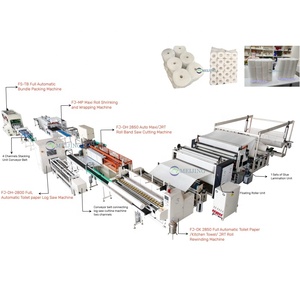
2800mm Fully Auto Toilet Paper Kitchen Towel Rewinder Machine
Features point-to-point lamination, high-speed tissue converting line capability, and PLC precision rewinding control for wide-format parent rolls.
Explore Machine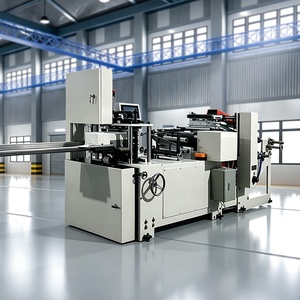
Automatic Two-Color Printing Napkin Tissue Production Line
Integrated flexographic two-color printing, custom steel-to-wool embossing, and automatic high-speed folding for commercial napkin branding.
Explore Machine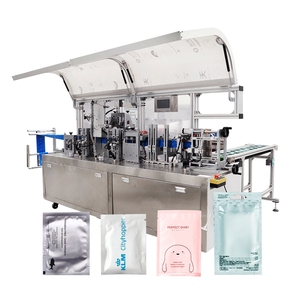
2026 Full Automatic Wet Wipes Single Piece Packaging Machine
High-speed single-pack wet tissue manufacturing system designed for hygienic, hospital, and baby wipe continuous production lines.
Explore Machine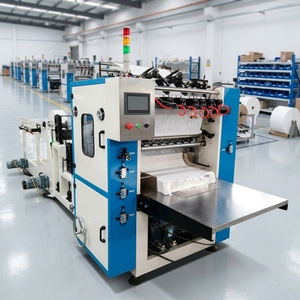
Facial Tissue & Disposable Face Towel Production Line
Fully automatic mechanical processing system capable of interfolding soft-pack facial tissues and heavy-duty cotton fiber face towels.
Explore Machine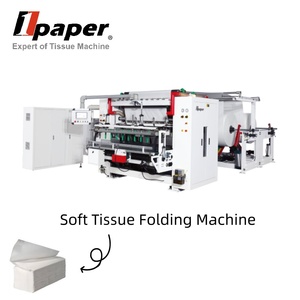
Onepaper Complete Facial Tissue Processing Production Line (5 Ton)
End-to-end processing system including auto-folding, log saw cutting, conveyor transfer, and high-speed auto-packaging machinery.
Explore Machine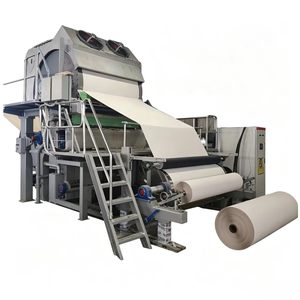
High Speed PLC Tissue Paper Making Machine (60 Tons/Day)
Heavy industrial primary paper machine featuring motor drive technology, PLC integration, and massive daily capacity for tissue converters.
Explore Machine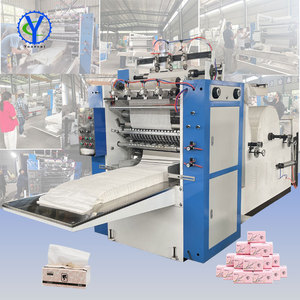
PLC Control Small Business Facial Tissue Production Line
Compact footprint converting line optimized for emerging enterprises, regional distributors, and boutique OEM manufacturing centers.
Explore Machine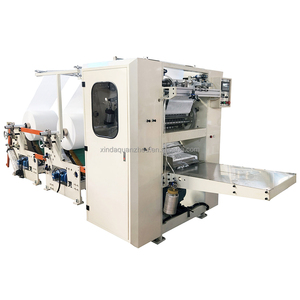
Full Automatic V-Fold Facial Tissue Machine with Color Printing
High-speed V-fold vacuum interfolding system paired with online flexographic printing and core PLC gear components.
Explore MachineTechnical Dynamics of Custom OEM Paper Napkin Production Lines
An authoritative analysis of mechanical synchronicity, tension dynamics, embossing science, and flexographic ink integration in commercial napkin manufacturing.
Flexographic Ink Integration & Anilox Rollers
Modern OEM paper napkin production demands flawless graphic reproduction on porous tissue substrates. High-speed lines integrate ceramic laser-engraved anilox cylinders (300–600 LPI) alongside closed-chamber doctor blade systems. This configuration ensures consistent ink film transfer at linear speeds exceeding 350 meters per minute without web saturation, ink bleeding, or fiber distortion.
Precision Steel-to-Rubber & Steel-to-Paper Embossing
Embossing transforms structural paper plies into tactile, absorbent dining accessories. OEM lines utilize hardened steel rollers matching high-density rubber or wool-paper backing rolls. Micro-point embossing patterns lock multi-ply substrates together mechanically, enhancing bulk volume by up to 30% while eliminating the need for synthetic adhesives in eco-friendly napkin formats.
Pneumatic Unwinding & Servo Web Tension Control
The primary root cause of web tears during conversion is tension variance. Industrial napkin production lines employ independent motor-driven parent roll unwind stands equipped with closed-loop load cell sensors. This ensures continuous, micro-adjusted tension feedback from 13 GSM tissue paper up to 28 GSM specialty non-woven substrates during continuous high-speed unrolling.
OEM Napkin Converting Line Technical Performance Benchmarks
| Machine Model Series | Folding Type Options | Max Production Speed | Parent Roll Specifications | Embossing System | Flexo Printing Options |
|---|---|---|---|---|---|
| NP-330 High-Speed Line | 1/4 Fold, 1/8 Fold, Book-fold | 2,800–3,200 sheets/min | Max Dia: 1200mm | Width: 330mm | Steel-to-Rubber (Custom Pattern) | 1 to 4 Colors Inline |
| NP-400 Commercial Series | 1/4 Fold, N-Fold, M-Fold | 2,200–2,600 sheets/min | Max Dia: 1300mm | Width: 400mm | Point-to-Point / Micro-Emboss | 1 to 2 Colors (Water-Based) |
| NP-230 Cocktail Napkin Line | 1/4 Fold (230x230mm) | 3,500 sheets/min | Max Dia: 1100mm | Width: 230mm | Steel-to-Wool Paper Cylinder | 2 Colors High-Precision Flexo |
| NP-500 Industrial Dinner Line | 1/8 Fold, Dispenser Fold | 1,800–2,200 sheets/min | Max Dia: 1500mm | Width: 500mm | Dual-Station Steel-to-Steel | Optional 6-Color Modular Unit |
Future Procurement Trends for Napkin Machinery (2025–2030)
Understanding shifts in OEM machinery capital expenditure, energy sustainability mandates, and automated end-of-line packaging.
1. Full Servo-Motion Integration & Zero-Mechanical Drive Architecture
Legacy converting machinery relied heavily on line shafts, mechanical gears, and chains. Global wholesalers are shifting capital expenditure strictly toward multi-axis servo-driven architectures (Siemens SIMOTION or Omron NJ systems). Eliminating gear transmission reduces vibration at high speeds, eliminates oil-contamination risks on paper rolls, and reduces product changeover times from hours down to under 15 minutes via digital recipe selection on touchscreens.
Procurement teams now mandate independent servo motors for web feeding, embossing cylinders, flexo plate cylinders, cutting knives, and interfolding arms to achieve absolute mechanical synchronicity across fluctuating line speeds.
2. Automated Inline Defect Detection & Quality Vision Systems
High-volume buyers and brand owners no longer accept manual visual sampling. Future-proof procurement requires inline optical inspection camera systems mounted directly after the flexo printing and folding stations. These systems utilize high-resolution CCD cameras to detect micro-flaws such as ink specking, embossing misalignment, sheet tears, and dirt spots at full line speed.
Defective napkins are automatically flagged and purged via pneumatic high-pressure air jets before reaching the packaging module, guaranteeing 100% defect-free delivery to end consumers in the commercial hospitality sector.
3. Plastic-Free & Biodegradable Banding / Packaging Modules
Driven by stringent ESG (Environmental, Social, and Governance) regulations in North America and Western Europe, napkin converting lines must now accommodate alternative packaging materials. Global procurement managers are prioritizing production lines that integrate paper-wrapper wrapping units, bio-PE film sealing systems, and paper-tape banding modules.
Machinery must feature low-temperature heating elements and dynamic heat-seal controls capable of sealing ultra-thin compostable films without scorching or causing structural package failure.
4. Smart Energy Management & Dynamic KWh Reduction
Industrial electrical tariffs represent a substantial percentage of continuous manufacturing overhead. Sourcing officers actively evaluate converting lines based on KWh per ton of finished paper output. Advanced machine designs incorporate regenerative drive systems that feed braking energy back into the plant grid during decelerations.
Combined with vacuum blower optimization, smart LED drying lamps for flexographic inks, and energy-efficient IE4/IE5 super-premium efficiency motors, modern equipment achieves up to 30% electrical energy savings compared to decade-old machinery platforms.
Global Paper Napkin Market Development Trends
Analyzing regional demand shifts, the growth of HoReCa (Hotel, Restaurant, Cafe) channels, and substrate innovations.
Expansion of HoReCa & Customized Corporate Branding Demand
The rapid worldwide expansion of quick-service restaurant (QSR) chains, luxury hotel groups, and casual dining outlets has reshaped napkin consumption. Simple plain white napkins are increasingly replaced by custom-branded, multi-color printed, textured napkins that serve as secondary marketing channels. As a consequence, paper napkin wholesalers require OEM machine lines capable of executing short-run custom logo printing without incurring high plate costs or lengthy setup downtime.
Furthermore, the shift toward sustainable bamboo pulp, unbleached kraft virgin pulp, and recycled post-consumer waste fibers requires converting machinery with flexible web-handling controls. Bamboo fibers present unique tensile strength characteristics and stiffness profiles; therefore, converting lines must feature adjustable slitting shear angles, dynamic tension dancers, and customized folding blade geometries to prevent jam-ups at high speeds.
Arabia Industrial Tissue Equipment LLC Manufacturing Advantages
Why leading global converters, private-label distributors, and OEM paper napkin factories trust our production machinery.
In-House Machining & Precision CNC Machining Center
Unlike equipment trading companies, Arabia Industrial operates a state-of-the-art in-house machining center. Core mechanical assemblies, including side wall plates, folding rolls, embossing shafts, and flexo ink frames, are milled to sub-micron tolerances. This direct manufacturing control guarantees structural rigidity, eliminates machine vibration, and drastically shortens production lead times for custom machine configurations.
Rigorous Dynamic Balance & Pre-Shipment Inspection
To maintain structural integrity during continuous 24/7 commercial operations, every steel roller, embossing cylinder, and high-speed folding shaft undergoes dynamic balance testing at 150% of rated running speed. Our quality control team subjects each complete production line to a continuous 72-hour trial run utilizing client-supplied paper stock before issuing factory export authorization.
Turnkey Line Integration & Global Field Service
We engineering seamless integration from parent roll loading up to final case packing. Arabia Industrial provides global field commissioning, electrical PLC calibration, staff operation training, and long-term spare parts support. Installed converters across the Middle East, South America, Europe, and Africa benefit from our multi-lingual 24/7 remote diagnostic assistance.
Frequently Asked Questions for Paper Napkin Machinery Sourcing
Technical, operational, and financial answers tailored for factory plant managers, procurement directors, and industrial distributors.
Ready to Upgrade Your Tissue & Napkin Converting Infrastructure?
Consult with our senior machinery engineers to configure a custom OEM paper napkin production line tailored to your market specifications, target output, and factory layout.