Industrial Napkin & Tissue Machine Series
Explore our CE-certified, precision-engineered converting lines for napkin folding, toilet paper rewinding, wet tissue production, and custom embossing.
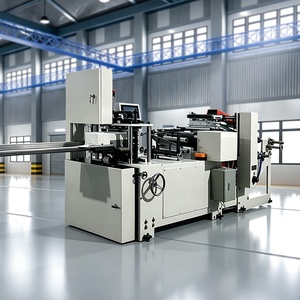
Automatic Two-Color Printing Napkin Tissue Production Line Tissue Folding and Embossing Machine
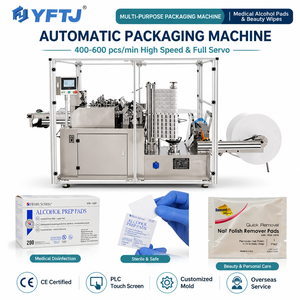
Turnkey Alcohol Prep Pad Production Line Automatic Single Piece Wet Tissue Making Machine for Small Business
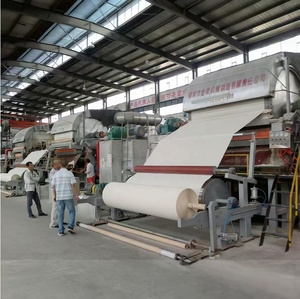
Crescent Type Toilet Paper Making Machine, High Speed Tissue Production Line,for Jumbo Roll Tissue Paper Manufacturing.
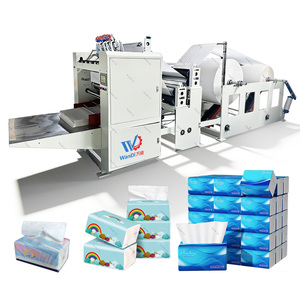
Small Business Fully Automatic Mini Facial Tissue Paper Making Machine
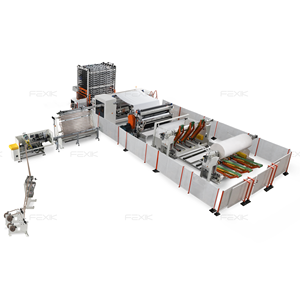
Non-stop Tissue Paper Making Machine Full Production Line Toilet Paper Kitchen Towel Converting Machine Rewinding Machine
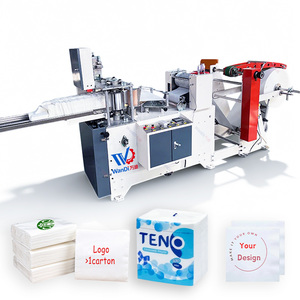
Fully Automatic Making Packing Soft Facial Tissue Paper/ Hand Towel/Napkin Tissue Machine Production Line
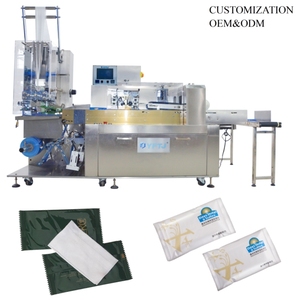
Best Brand YFTJ WET TISSUE MAKING MACHINE Islak Mendil Makinasi Wet Tissue Paper Making Machine Single Wet Wipes Making Machine
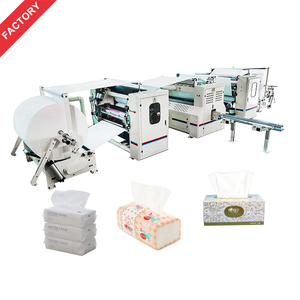
Hot-selling Towel Paper Slitting and Rewinding Machine Toilet Paper Rewinder Machine Roll Napkin Tissue Paper Making Machine
China Wholesale Napkin Folding Machine Manufacturing: Engineering Principles & Market Dynamics
The global tissue paper converting sector is undergoing a structural transition toward high-speed automation, reduced energy footprints, and flexible multi-format production. As a leading China wholesale napkin folding machine manufacturer and exporter, our engineering philosophy bridges the gap between raw jumbo roll unwinding dynamic stability and micro-precision folding accuracy. Modern napkin converting is no longer merely a mechanical shearing and folding operation; it is an integrated mechatronic process requiring synchronized tension control, closed-loop flexographic ink distribution, precision vacuum absorption, and real-time electronic counting.
For B2B procurement managers, brand converters, and commercial paper napkin suppliers, selecting the optimal manufacturing setup requires evaluating Overall Equipment Effectiveness (OEE), total cost of ownership (TCO), and machine adaptability across various pulp grades (100% virgin wood pulp, mixed recycled furnish, and eco-friendly bamboo non-wovens). China's industrial tissue machinery ecosystem offers unrivaled cost-to-performance advantages, combining high-grade alloy steel components with advanced European-standard servo controls.
Anatomy of a Modern Automatic Napkin Tissue Folding Machine
A turnkey high-speed napkin converting line converts jumbo parent paper rolls into fully folded, embossed, printed, and cut napkins delivered in organized stacks to down-stream flow wrapping or carton packaging machinery. The mechanical workflow comprises five engineered sub-systems:
1. Tension-Controlled Unwind Stand
Equipped with pneumatic jumbo roll loading and stepless flat-belt tension control. Maintains uniform web tension across raw tissue basis weights from 13 g/m² to 30 g/m², preventing web breaks during acceleration.
2. Flexographic Color Printing Unit
Features 1 to 4-color water-based flexo printing with doctor blade chamber systems and ceramic anilox rollers, ensuring rapid drying and non-toxic food-grade ink adhesion at linear speeds exceeding 250 m/min.
3. Steel-to-Rubber/Steel Embossing
Utilizes CNC laser-engraved steel rollers paired with high-durometer rubber or wool-paper rollers. Provides crisp border embossing or full-surface point-to-point micro-embossing for enhanced softness and absorption bulk.
Technical Specification Benchmark: Standard vs. High-Speed Servo Napkin Lines
| Engineering Parameter | Semi-Automatic / Starter Series | Fully Automatic High-Speed Servo Series |
|---|---|---|
| Production Speed | 2,000 – 3,500 sheets / min (Mechanical) | 6,000 – 10,000 sheets / min (Servo Driven) |
| Finished Fold Options | 1/4 Fold (L-Fold), 1/8 Fold (Cocktail/Dinner) | 1/4, 1/6, 1/8, N-Fold, Z-Fold, Custom Embossed Folds |
| Paper Basis Weight Range | 14 – 28 g/m² (1 or 2 Ply) | 13 – 32 g/m² (1, 2, or 3 Ply + Airlaid Non-Woven) |
| Embossing Unit Specs | Steel to Rubber / Steel to Wool Paper | Micro-Point-to-Point, Steel to Steel Heating Roller |
| Web Control & Alignment | Manual Mechanical Alignment | Automatic Photoelectric Web Guiding (EPC Systems) |
| Printing Unit Capability | Optional 1-Color Flexo | Integrated 2 to 4-Color Flexo with Chamber Doctor Blade |
| Counting & Stacking | Pneumatic Kick-out Counter | Electronic Rotary Knife & Automatic Servo Stacking Unit |
Future Procurement & Manufacturing Trends in Napkin Tissue Machinery
As international environmental regulations tighten and labor costs rise across North America, Europe, and the Middle East, global buyers are shifting their capital expenditure criteria when purchasing napkin tissue making machinery from Chinese original equipment manufacturers (OEMs). The following four technological trends define next-generation tissue line acquisitions:
1. Full Servo Motion Control & Gearless Drives
Traditional mechanical line shafts are being rapidly replaced by multi-axis direct-drive servo systems (Siemens / Delta / Mitsubishi). Servo-driven converting lines eliminate mechanical backlashes, reduce noise levels below 75 dB, and allow operators to adjust cut lengths, folding timing, and print registration via a central PLC touch screen in seconds without changing physical gears.
2. Zero-Defect Industrial IoT & Remote Telemetry
Industrial Internet of Things (IIoT) integration allows manufacturing plants to monitor web tension variations, bearing temperature curves, roller pressures, and motor vibration signatures in real time. Remote diagnostic modules enable Chinese engineering teams to troubleshoot PLC program parameters remotely, drastically reducing downtime for overseas buyers.
3. Sustainable Fiber Processing (Airlaid & Non-Wovens)
With consumer demand pivoting toward biodegradable, extra-soft, and thick luxury napkins, modern napkin machinery must process textured non-woven materials, bamboo pulp, and sugarcane bagasse fiber. Advanced vacuum folding cylinders now feature self-cleaning air channels to prevent dust build-up when running high-lint recycled papers.
4. Inline Automatic Packaging Integration
Standalone tissue folding machines are giving way to fully automated, non-stop converting lines. Folded napkin stacks are automatically transferred via servo-driven pushers directly into inline single-pack flow wrappers, bundle wrappers, or auto-cartoning modules, minimizing human touch and meeting strict food hygiene hygiene certifications.
Why Source Napkin Converting Machinery From Our Factory?
As a premiere OEM & Exporter specializing in paper converting equipment—ranging from napkin folding machines to full non-stop toilet paper rewinding lines—our production facility is built upon strict engineering accuracy and rigorous quality control protocols.
-
In-House Heavy CNC Machining Center Key structural components, wallboards, steel embossing rollers, and folding shafts are machined in-house to guarantee tight mechanical tolerances (±0.01mm) and long-term durability under continuous 24/7 operation.
-
Dynamic Balancing & Precision Testing All high-speed rotating rollers, vacuum cylinders, and cutter shafts undergo dynamic balance calibration at 1.5x operating speed to eliminate high-frequency vibration and extend bearing lifespans.
-
Turnkey Customization & Modular Engineering We offer bespoke embossing roller engraving (custom company logos, floral prints, point-to-point patterns) and modular color-printing units tailored to your regional market specifications.
-
Comprehensive Export & On-Site Support From seaworthy wooden box packaging and customs clearing documentation to overseas engineer dispatch for installation, commissioning, and operator training, we ensure seamless factory setup.
Frequently Asked Questions (FAQ) for B2B Machinery Buyers
Clear, technical answers to common questions regarding machine selection, production capacities, installation requirements, and maintenance.
Q1: What is the key difference between mechanical folding and vacuum folding napkin machines?
Q2: Can a single napkin folding machine produce multiple napkin sizes (e.g., 230mm, 300mm, 400mm)?
Q3: How does the flexographic color printing unit work on an automatic napkin production line?
Q4: What utility power supply and air compressor pressure are required for setup?
Q5: What routine maintenance procedures ensure optimal machine longevity?
Q6: What is the manufacturing lead time and quality assurance process before shipment?
Ready to Upgrade Your Tissue Converting Factory?
Consult with our senior machinery engineers today. Get customized line designs, precise ROI estimates, and factory-direct pricing for your market requirements.