Featured Automated Tissue Converting Machinery
Explore our industrial-grade tissue converting equipment, fully custom-engineered for maximum Overall Equipment Effectiveness (OEE) and optimal operational speed.
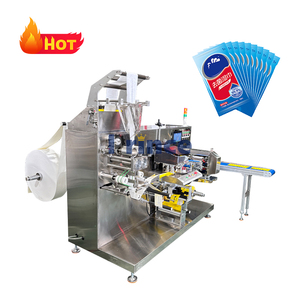
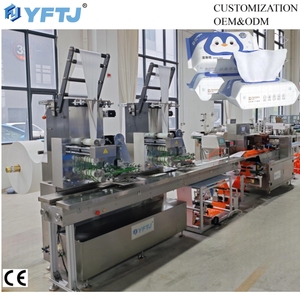
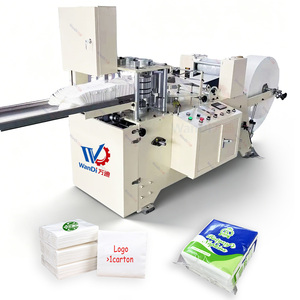
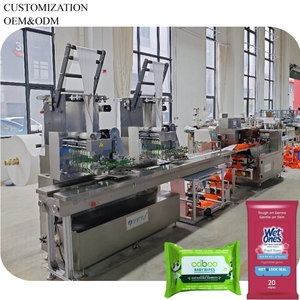
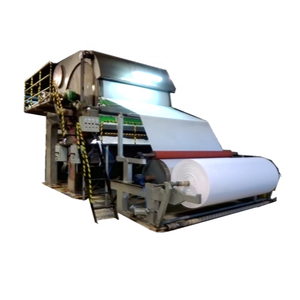
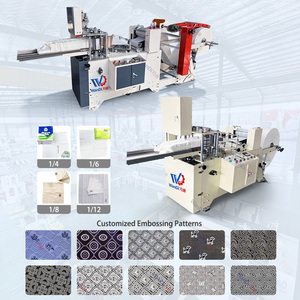
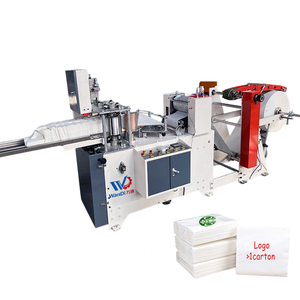
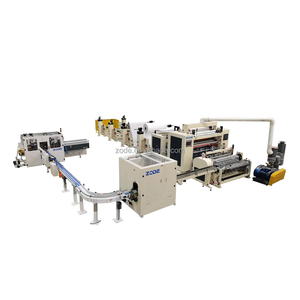
Global Tissue Converting Equipment Market: B2B Sourcing Trends (2025–2030)
The global sanitary tissue manufacturing industry is undergoing a structural paradigm shift. Driven by surging post-pandemic hygienic awareness, expanding commercial hospitality networks, and rising consumer demand for premium, ultra-soft multi-ply paper products, converters worldwide must modernize their asset base.
Sourcing automated converting machinery from premier OEM manufacturers in China has transitioned from a pure capital cost mitigation strategy to a value-added technological alignment. Modern tissue converting is no longer defined merely by mechanical rewinding speeds; it demands seamless digital integration, precise tension control, modular agility, and strict compliance with global energy efficiency standards.
Full Servo Motion Synchronization
Traditional mechanical line-shaft drive systems are rapidly being phased out. Enterprise-scale tissue converters now mandate fully integrated Multi-Axis Servo Motion Control architectures (PLC-driven), eliminating physical gear backlash, reducing vibration noise below 75 dB, and providing dynamic web-tension adjustment during high-speed roll changeovers.
Sustainable Substrate Adaptability
With eco-conscious regulatory mandates driving raw material diversification, modern rewinding and folding machinery must seamlessly handle variable substrate blends—including virgin wood pulp, recycled fiber blends, bamboo pulp, non-woven spunlace materials, and biodegradable wet-laid nonwovens—without tearing, web displacement, or fiber degradation.
Point-to-Point Micro Embossing
Product differentiation in retail consumer paper markets hinges on aesthetic texture and tactile volume. Advanced converting machinery incorporates synchronized steel-to-rubber or steel-to-steel embossing units featuring pneumatically controlled pressure calibration and optional desynchronized point-to-point lamination for maximum bulk creation.
Engineering Deep Dive: Anatomy of High-Yield Automatic Tissue Lines
Understanding the mechanical and electronic synergies within an automatic tissue converting production line is crucial for technical engineering directors and capital procurement officers. A fully automated production ecosystem comprises five primary integrated mechanical sub-systems:
1. Parent Roll Unwinding & Pneumatic Web Tension Systems
The operational efficiency of any rewinder or folding machine begins at the unwind stand. Premier machinery incorporates dual or triple heavy-duty floor-pickup unwind stands capable of handling parent rolls up to 1,500mm in diameter and weights exceeding 1,200kg. Constant web tension is maintained utilizing closed-loop pneumatic dancer arm sensors coupled with magnetic powder brakes or vector-inverter controlled motor drives, keeping web displacement variation under ±0.25mm.
2. Embossing, Glue Lamination, and Color Printing Modules
To produce premium bathroom tissue, kitchen towels, and decorative restaurant napkins, unwound paper webs pass through modular processing stations. Laser-engraved chrome-plated steel rollers pair with high-durometer rubber impression rollers to impart intricate micro/macro emboss patterns. Optional glue-lamination units apply micro-dots of water-soluble adhesive, bonding plies together to increase structural tensile strength and liquid absorption capacity by up to 40%.
3. High-Speed Rotary Interfolding & Log Rewinding Mechanisms
For folded tissue products (facial tissue, napkins, hand towels), vacuum-assisted rotary folding cylinders interfold sheets into continuous chains at web speeds exceeding 200 meters/min. For rolled goods, automatic rewinding machines utilize pneumatic core loading, tail-cutting, automatic glue spraying, and high-precision log perforation rollers to produce tightly wound paper logs in continuous, automated cycles.
4. Automatic Log Sawing & Precision Cutting Technology
Paper logs or continuous folded stacks transition directly into automatic high-speed orbital or band saw log cutting units. Equipped with continuous tungsten carbide orbital blades, dynamic optical registration sensors, and automated servo-pushers, these units slice paper logs into exact finished roll lengths at speeds reaching 180 to 220 cuts per minute per lane, yielding clean, blur-free edge cuts without core crushing.
5. High-Speed Flow-Wrapping & Bundle Packaging Integration
The final phase integrates individual wrapped roll/pack packaging, multi-pack bundling, and automatic carton packing. Utilizing smart photoelectric tracking, heat-sealing poly-wrapping mechanisms, and automatic reject bins for out-of-spec dimensions, the entire processing line maintains unbroken continuity from raw parent roll to palletized commercial goods.
Standard Engineering Technical Specifications Matrix
| Performance Parameter | Facial Tissue Interfolding Line | Automatic Toilet Paper Rewinder | High-Speed Napkin Machine | Single-Piece Wet Wipe Line |
|---|---|---|---|---|
| Designed Mechanical Speed | Up to 1,000 sheets/min/lane | 180 – 280 m/min | 600 – 1,000 sheets/min | 350 – 600 packs/min |
| Substrate Compatibility | 13–18 gsm (2-3 ply wood pulp) | 13–22 gsm (1-3 ply paper) | 14–28 gsm (1-2 ply napkin stock) | 35–80 gsm Spunlace non-woven |
| Unwind Web Width | 1,200mm – 2,800mm (Custom) | 1,750mm – 2,850mm | 230mm – 400mm | 150mm – 320mm |
| Automation Architecture | Siemens PLC / Touch HMI | Mitsubishi/Delta Servo PLC | Siemens / Omron PLC | Full Motion Servo Control |
| Pneumatic Working Pressure | 0.6 MPa (Clean Dry Air) | 0.6 – 0.8 MPa | 0.5 – 0.6 MPa | 0.6 MPa |
| Folding / Core Format | V-Fold / Z-Fold Interfolded | Standard Core & Coreless | 1/4 Fold, 1/8 Fold, Book Fold | Cross-Fold / Z-Fold Wet Wipes |
Strategic B2B Procurement: Total Cost of Ownership (TCO) Evaluation
When sourcing commercial tissue manufacturing machinery, sophisticated procurement directors look beyond initial capital outlay (CapEx). Evaluating long-term operational costs (OpEx), power consumption efficiencies, maintenance cycles, and scrap rates is vital for maximizing financial return on investment (ROI).
Energy Efficiency Ratio (EER)
Electric motor power consumption represents up to 30% of total plant operational overheads. Our automatic tissue machinery utilizes IE3 high-efficiency motors coupled with regenerative frequency drive inverters, reducing electrical kw-per-ton consumption by up to 18% compared to legacy induction systems.
Scrap Rate & Fiber Utilization
Unplanned material waste during high-speed start-ups or product length changeovers directly erodes gross operating margins. Advanced web-edge optical tracking and automated tension brakes ensure raw material edge waste remains under 1.2% across continuous 24/7 production shifts.
Rapid Mechanical Tooling Changeover
Commercial tissue converters must maintain agility to fulfill diverse buyer product dimensions. Quick-release pneumatic shafts, modular embossing cassette systems, and digital recipe recall on touchscreens enable complete batch re-tooling in under 35 minutes.
Why Partner With Us: Rigorous OEM Manufacturing Capabilities
As a dedicated, specialized industrial manufacturer of tissue paper converting machinery, Arabia Industrial Tissue Equipment LLC delivers robust engineering solutions tailor-made for high-performance converting plants worldwide.
In-House Precision Machining Center
Unlike third-party equipment assemblers, our manufacturing infrastructure houses an advanced in-house machining complex. Key structural components, including heavy-duty cast-iron side frames, high-precision folding cylinders, and hardened steel embossing rollers, are processed on 5-axis CNC machining centers to guarantee strict dimensional tolerances, minimum mechanical wear, and extended machinery operational lifespans exceeding 15 years.
Turnkey Engineering & Global Field Service
We provide full life-cycle project support. From initial factory floor layout drafting, electrical infrastructure planning, and customized line synchronization to on-site commissioning, technician operational training, and rapid spare-parts dispatching, our qualified engineers ensure your tissue converting line reaches optimal production capacity rapidly.
Quality Rigor & Verification Standard
- ✓ 100% Dynamic Pre-Shipment Testing: Every completed machine undergoes a continuous 72-hour trial run using customer-specified tissue raw materials prior to export packing.
- ✓ Strict International Compliance: Machinery fully complies with CE safety standards, utilizing IP55/IP65 electrical protection enclosures and safety light-curtain emergency stops.
- ✓ Real-Time Video Inspection Verification: Global buyers can participate in live remote FAT (Factory Acceptance Testing) video streams to verify speed, sheet counting accuracy, and cutting perfection.
- ✓ Global Component Interchangeability: Electronic controls utilize standard globally serviceable brands (Siemens, Schneider, Mitsubishi, Omron, Airtac) for simple localized maintenance.
Frequently Asked Questions (FAQ) for Tissue Machinery Procurement
Clear technical and commercial answers to help procurement teams, plant engineers, and factory owners evaluate our tissue converting production equipment.
Our comprehensive equipment portfolio covers household bathroom toilet paper rolls, center-pull commercial towel rolls, maxi/jumbo dispenser rolls, kitchen paper towels, single-ply and multi-ply embossed napkins, color-printed restaurant napkins, soft-pack and box facial tissues, folded hand towels (Z-fold, C-fold, V-fold), single-piece and pocket-pack wet wipes, as well as auxiliary core-making machines, log cutters, and automatic overwrapping machinery.
Capacity calculation must start from your targeted finished product sales volume per 8-hour shift rather than relying solely on maximum designed machine speeds. Factor in raw material grammage (GSM), finished sheet dimensions, perforation length, log cutter cycle speeds, estimated roll wrap cycle times, and an operational OEE baseline (typically 85–90%). Our engineering team can provide precise line-balancing calculations based on your specific target market output requirements.
Yes, absolutely. We specialize in designing and supplying end-to-end continuous converting lines. This encompasses parent roll unwinding, embossing, glue lamination, printing, rewinding/interfolding, automatic log cutting with band saw or orbital saw blades, individual roll or multi-pack wrapping, and final bundle packaging, fully synchronized via a central PLC bus control network.
To provide an accurate tailored machinery proposal, please specify: 1) Target tissue product type; 2) Parent roll width, outer diameter, core inner diameter, and substrate gsm/ply count; 3) Desired finished product folded/unfolded dimensions; 4) Requirement for embossing, glue lamination, or color printing; 5) Desired packaging style (soft-pack, box, or shrink film bundle); and 6) Local factory electrical supply (e.g., 380V 50Hz 3Ph or customized power standards).
Yes. We encourage client verification. You can review detailed unedited video footage of our rewinding, interfolding, cutting, and packaging machinery running on our video hub. Furthermore, prior to shipment, we invite your technical staff to conduct in-person FAT or join a live high-definition interactive video demonstration verifying machinery performance using your supplied tissue paper rolls.
All machinery includes a standard 12-month comprehensive mechanical and electrical warranty starting from the installation date. We maintain a full inventory of high-wear consumable spare parts (saw blades, perforating knives, transport belts, seals, heating elements) ready for express air dispatch. Furthermore, our field service engineers are available for global deployment to assist with factory installation, commissioning, and staff operational training.
Ready to Upgrade Your Tissue Converting Plant Capacity?
Consult with our senior technical engineers today to receive a customized floor layout proposal, machine technical specification sheet, and direct manufacturer wholesale pricing.