Featured Tissue Converting & Packaging Machinery
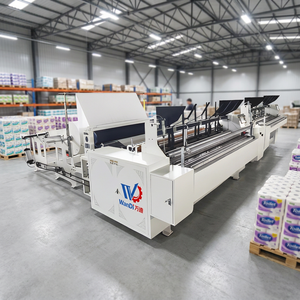
High-precision interfolding, rewinding, napkin, and facial tissue packaging machines engineered for industrial output.
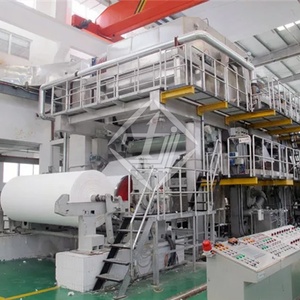
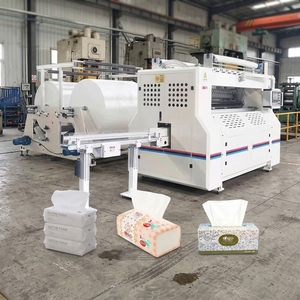
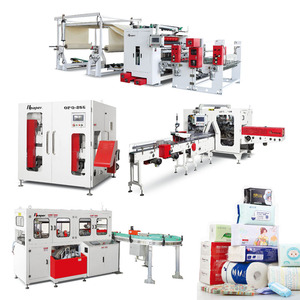
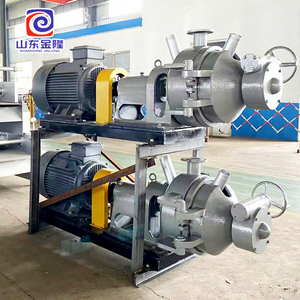
1. Technical Market Report: The Evolution of China's Facial Tissue Packaging Machinery
The global tissue paper converting market has undergone a significant paradigm shift. Demand is transitioning rapidly from labor-intensive manual or semi-automated packaging setups to fully integrated, high-speed, multi-servo facial tissue folding and packaging lines. China has emerged as the global epicenter for advanced facial tissue packaging equipment manufacturing, offering high-throughput, precision-engineered machinery at optimized capital expenditure levels.
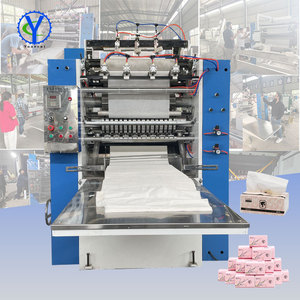
Modern facial tissue packaging machinery must process raw jumbo paper rolls—typically ranging from 13.5 gsm to 22 gsm per ply—into precisely interfolded sheets (V-fold, Z-fold, or W-fold), cut them to specified log lengths, and package them seamlessly into either flexible plastic film (soft-packs) or rigid cardboard boxes. Achieving high operational speed without causing paper web tears, edge curling, or misalignment requires sophisticated motion control systems, pneumatic vacuum extraction, and continuous-motion heat sealing technologies.
Key Technical Parameters Comparison for Converting & Packaging Lines
When procurement teams analyze facial tissue machinery manufacturers, evaluating machine specifications across folding, log cutting, and final wrapping modules is critical for calculating long-term Overall Equipment Effectiveness (OEE).
| Performance Metric | Standard Mechanical Line | Advanced Full-Servo Packaging Line | High-Capacity Whitepaper Standard |
|---|---|---|---|
| Operating Speed | 80 - 120 packs/min | 150 - 220 packs/min | Up to 250+ packs/min |
| Control Architecture | Pneumatic & Cam Driven | Hybrid PLC + Servo Drive | Full Motion Controller (Siemens / Omron) |
| Fold Precision Tolerance | ± 1.5 mm | ± 0.5 mm | ± 0.2 mm Vacuum Interfolding |
| Wrapping Material Compatibility | Standard PE / CPP Film | PE, CPP, Laminated Film | Eco-Friendly Bio-PE, PLA & Paper Wraps |
| Changeover Down-Time | 45 - 90 Minutes | 20 - 30 Minutes | < 10 Minutes (Recipe Memory) |
Leading Chinese OEM factories now integrate programmable motion controllers (PLC), multi-axis servo synchronization, optical sensor webs, and automatic tension control unwinders. These advancements eliminate micro-stoppages, reduce raw material wastage by up to 3.5%, and ensure pristine seal integrity across both soft-pack facial tissues and box packaging configurations.
Why Partner With Arabia Industrial Tissue Equipment LLC
Unmatched engineering expertise, in-house component machining, and comprehensive international commissioning support.
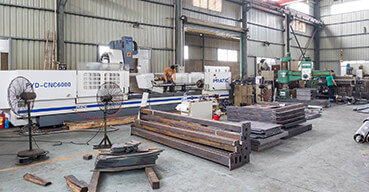
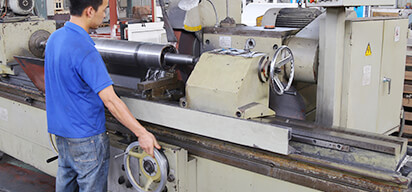
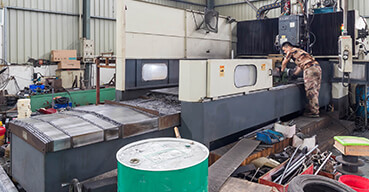
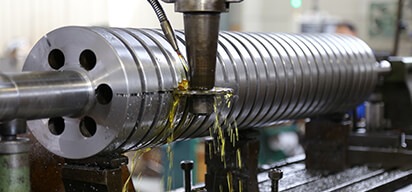
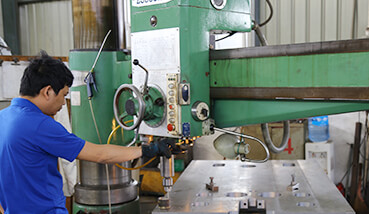
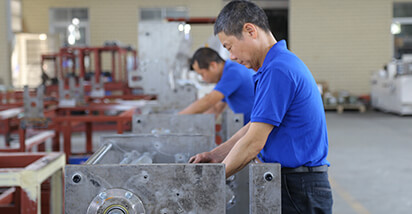
In-House Machining Center
Key structural frames, folding rollers, and cutter hubs are precision CNC-machined in our own factory to maintain strict dimensional tolerances and extend component lifespan.
Matched Line Engineering
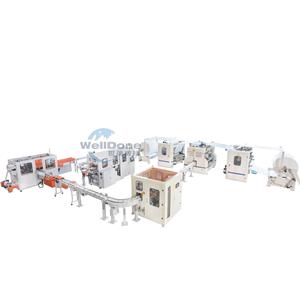
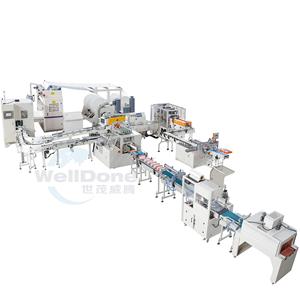
We design complete converting systems where parent roll unwinding, embossing, interfolding, log cutting, and soft-pack bundling run at perfectly synchronized speed ratios.
Pre-Shipment Video Inspection
Every line undergoes rigorous dry runs and paper load testing before dispatch. Clients receive clear operation videos verifying speed, cut cleanlines, and pack sealing.
Need a Customized Facial Tissue Packaging Line Proposal?
Consult with our lead mechanical engineers today to define your paper web dimensions, required fold count, target shift output, and packaging specs.
Get a Quote2. Future Procurement Trends in Facial Tissue Machinery (2025–2030)
Industrial tissue paper buyers, factory managers, and enterprise procurement directors must anticipate technological shifts to prevent capital equipment obsolescence over a 10-to-15-year machine lifecycle. The following trends dictate strategic sourcing decisions in 2025 and beyond:
Trend A: Full Servo Motor Drives Replacing Mechanical Chains and Cams
Legacy tissue folding and wrapping equipment relied heavily on mechanical cams, main drive shafts, and chain drives. Modern packaging operations require micro-adjustments on the fly. Full-servo architecture—incorporating independent servo motors for paper feeding, vacuum cutting, soft-pack film feeding, side-sealing belts, and end-sealing jaws—allows operators to alter product length, sheet counts, and cut points directly via the HMI touchscreen interface. Mechanical wear is reduced by over 60%, resulting in lower lubricant consumption and reduced maintenance downtime.
Trend B: Sustainable Eco-Packaging & Plastic-Free Film Transition
With global ESG standards and anti-plastic legislation tightening across North America, Europe, and Asia-Pacific, facial tissue packaging machinery must handle alternative packaging media. Modern machinery must seal ultrathin recyclable PE film, PLA bio-degradable films, and heat-sealable paper wrapping materials without scorching or melting the substrate. Advanced PID temperature controllers combined with ultrasonic sealing bars provide precise thermal control across varying conveyor speeds.
Trend C: Smart Factory Integration (IoT, Edge Analytics, Remote Diagnostics)
Industry 4.0 integration is no longer exclusive to tier-one tissue manufacturers. Chinese export factories now equip facial tissue packaging lines with Ethernet/IP and PROFINET communication protocols. Procurement teams can monitor real-time key performance indicators (KPIs)—including total log counts, package sealing rejection rates, motor thermal profiles, and energy consumption per unit pack—from centralized control rooms or cloud dashboards. Remote diagnostic modules allow engineers in China to assist overseas plant teams with troubleshooting and firmware updates in real time.
Trend D: Flexible Multi-Lane Modular Configurations
Market demand fluctuates between high-density soft-pack bundles, individual pocket tissues, commercial box facial tissues, and promotional multi-packs. Modern procurement strategies favor modular machinery design. A standard 6-lane or 8-lane V-fold interfolded tissue folding unit can be coupled via automated log diverters to either a high-speed soft-pack wrapper or a continuous box cartoning unit, giving converting plants flexibility across customer segments.
3. Product Development Trends: Next-Generation Machinery Innovations
Innovation in tissue paper machine manufacturing centers on four core operational pillars: energy efficiency, web tension stability, automated quality inspection, and rapid tool-less changeover.
1. Active Tension Unwinding & Vacuum Adsorption Folding
As tissue paper manufacturers lower tissue basis weight to decrease raw material cost, web breaks during high-speed unwinding become a primary productivity bottleneck. Modern unwinding stands feature active servo-driven roll rotation synchronized with ultrasonic web diameter sensors. Constant web tension prevents paper snapping. Furthermore, pneumatic vacuum folding cylinders ensure clean sheet separation during interfolding, ensuring consistent facial tissue pop-up performance when consumers draw tissues from the box or soft pack.
2. Automated Optical Inspection & Defect Rejection Systems
High-speed packaging lines operating above 200 packs per minute exceed human visual inspection capabilities. Advanced facial tissue wrapping machines now feature integrated vision sensors that monitor package sealing quality, film distortion, code printing legibility, and pack squareness. Defective soft packs are automatically ejected by pneumatic pushers downstream without slowing down the primary packaging line.
3. Rapid Tool-Less Changeover Mechanics
Frequent shift changes between 100-count, 150-count, and 200-count facial tissue packs require fast mechanical adjustments. Leading Chinese manufacturers incorporate quick-release guide rails, digital position indicators, and servo recipe selection. What previously required two hours of manual mechanic adjustments can now be achieved in under 15 minutes.
Frequently Asked Questions (FAQ) for Tissue Machinery Procurement
Comprehensive engineering and commercial answers to help procurement teams evaluate facial tissue machinery suppliers.
Ready to Upgrade Your Tissue Converting Factory?
Partner with China's premier facial tissue machinery manufacturer. Get custom engineering layouts, ROI projections, and factory-direct pricing tailored to your production goals.
Get a Quote