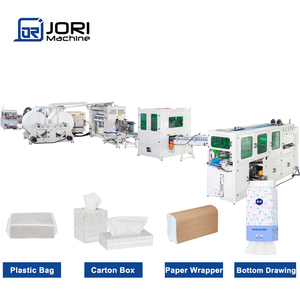
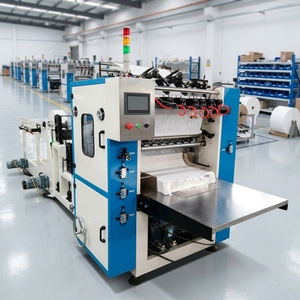
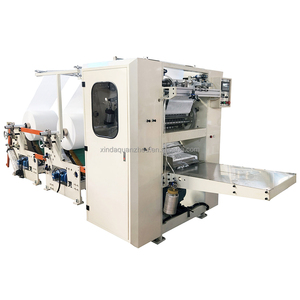
CE Certified Automatic V Fold Interfold Facial Tissue Machine PLC Controlled Paper Product Making Machine
- PLC gear-driven interfolding logic
- Vacuum absorption folding technology
- Full automatic web tension management
Explore engineered equipment designed for high-efficiency tissue converting, featuring precision folding mechanical assemblies, PLC drive automation, and robust web-tension controls.
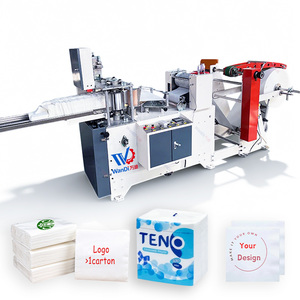
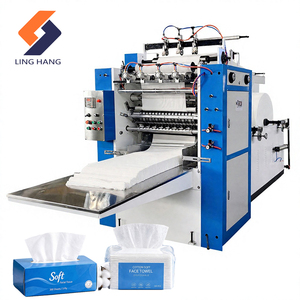
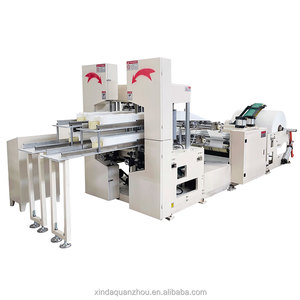
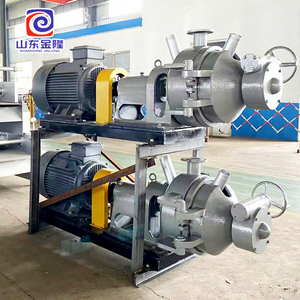
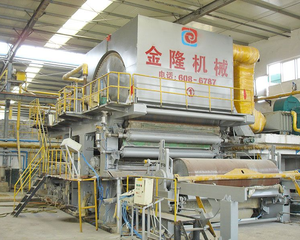
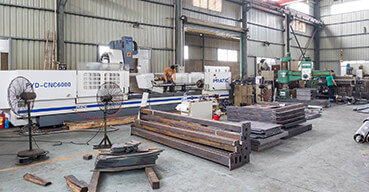
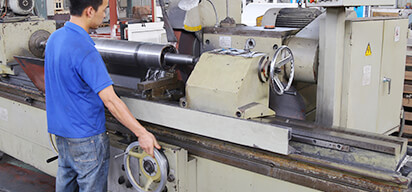
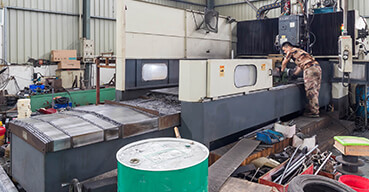
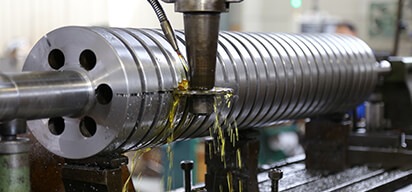
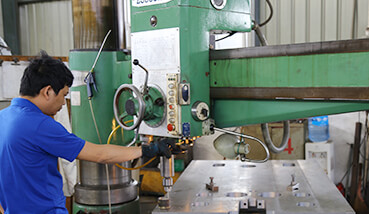
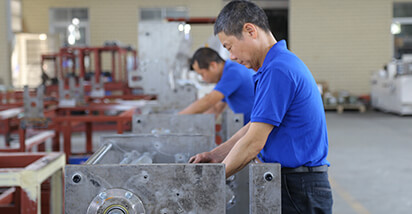
From raw steel plate milling to integrated PLC commissioning, our manufacturing infrastructure delivers structural rigidity, precision tolerances, and continuous operational reliability.
Unlike standard equipment assemblers who outsource structural components, our manufacturing standard relies on an internal heavy-duty CNC machining workshop. Key mechanical components—including folding vacuum cylinders, embossing roll core shafts, gear drive transmissions, and web unwind frames—are processed in-house to maintain micron-level tolerances.
This rigorous manufacturing model eliminates vibration harmonics during high-speed folding cycles (exceeding 600–800 napkin sheets per minute per lane), significantly extending mechanical bearing life and ensuring uniform paper tension across varying raw paper parent roll widths.
An executive analysis on capital expenditure optimization, total cost of ownership (TCO) calculation, and substrate adaptability in modern paper converting plants.
Global regulatory pressure restricting single-use plastics has catalyzed a structural pivot toward luxury, eco-friendly table napkins. Commercial buyers in Europe, North America, and the Middle East are rapidly moving from standard 13–15 GSM virgin tissue paper to heavy-grammage recycled fibers, bamboo pulp blends, and Airlaid non-woven materials (ranging up to 55–60 GSM).
For machine procurement directors, selecting an automatic napkin folding machine now requires evaluating web-tension flexibility and variable vacuum drum adjustment capabilities. Older mechanical folding frames designed solely for standard virgin tissue suffer high paper web tearing when processing textured or non-woven substrates. Modern Chinese high-speed napkin machines integrate servo-controlled unwinding stands with magnetic powder brakes, ensuring constant tension regardless of paper tensile variances.
When evaluating Chinese napkin folding machine factories, leading converters prioritize total cost of ownership metrics over raw upfront machinery pricing. Key financial parameters defining modern OEM evaluations include:
| Evaluation Criterion | Legacy Mechanical Napkin Folding Machine | Next-Gen Automatic Servo Napkin Line | Strategic Business Impact |
|---|---|---|---|
| Drive Architecture | Single AC Motor + Mechanical Chain Transmission | Multi-Axis Synchronous Servo Motor Drive | 85% lower mechanical gear wear; lower noise level (<75 dB). |
| Max Line Velocity | 400–500 Sheets/Min/Lane | 800–1200 Sheets/Min/Lane | Up to 140% increase in daily saleable finished output per shift. |
| Flexographic Printing | Manual Rubber Roll Inking | Ceramic Anilox Roll + Chamber Doctor Blade | Razor-sharp logo printing; 25% savings in water-based ink consumption. |
| Folding Precision | Mechanical Push Plate (±1.5mm tolerance) | Vacuum Absorption Interfolding (±0.5mm) | Eliminates jammed feeds in downstream automatic packing lines. |
| Web Tension Control | Manual Mechanical Brake Adjustment | Automatic PLC + Ultrasonic Sensor Feedback | Prevents web snaps when running low-grade recycled paper stock. |
Detailed technical analysis of modern mechanical engineering, smart sensor integration, and high-precision converting mechanisms.
Modern automatic napkin machines from top-tier Chinese factories utilize centralized PLC systems (Siemens S7-1500 or Omron NJ series) coupled with HMI touchscreen interfaces. Integrated IoT gateways enable real-time telemetry tracking of production yield, motor temperature profiles, dynamic web speed, and predictive maintenance alerts directly to plant management dashboards.
High-end napkin converting lines feature inline 1-to-4 color flexographic printing units. Utilizing laser-engraved ceramic anilox rollers and chambered doctor blade systems, these machines execute crisp registration for restaurant branding and promotional napkin designs using eco-friendly water-based flexo inks without color bleeding.
Advanced napkin machinery designs feature quick-interchangeable embossing units. Plant operators can alternate between steel-to-rubber embossing (ideal for soft, high-bulk tissue) and steel-to-steel point-to-point embossing (ideal for high-rigidity dinner napkins) in under 45 minutes, allowing convertors to quickly match customer orders.
Direct answers from our engineering team to assist tissue plant managers, procurement agents, and business owners in selecting optimal machinery configurations.
Automatic napkin folding machines can be customized to manufacture standard 1/4 fold (square cocktail or table napkins), 1/8 fold (rectangular dinner/dispenser napkins), 1/6 fold, N-fold, V-fold, and custom book-fold geometries. The target fold type dictates the geometry of the folding vacuum cylinder and helical slitting assembly. Dual-lane machines can be built with interchangeable folding boards to switch between 1/4 and 1/8 folds upon request.
Basis weight (ranging from 13 GSM to 30 GSM per ply) and ply count (1-ply, 2-ply, or 3-ply) dictate the unwinding stand tension control, slitting knife angle, and vacuum pressure requirements. Running multi-ply napkins requires precise ply-bonding rollers or micro-embossing units to prevent ply separation during high-speed vacuum folding cycles. Our engineering team configures air suction blowers and magnetic powder brakes based on your specified target GSM spectrum.
All complete converting production lines are built with custom transformer configurations matching local factory power grids (e.g., 380V 3-Phase 50Hz for Europe/Asia, 460V/220V 3-Phase 60Hz for North America, 415V for Middle East/Australia). Electrical cabinets conform to CE mark regulations, featuring Schneider/Siemens low-voltage electrical components, emergency stop safety relays, transparent safety guarding screens, and photoelectric sensor interlocks.
Machine output depends on napkin unfolded sheet dimensions and lane count. Standard single-lane napkin machines run at 500–700 sheets per minute. High-speed double-lane lines reach 1,200 to 1,600 sheets per minute. Assuming an 8-hour operational shift at 85% Overall Equipment Effectiveness (OEE), a double-lane line produces approximately 550,000 to 700,000 finished napkins daily.
Before shipment, machines undergo a continuous 48-hour wet-run factory test using buyer-supplied paper rolls to verify mechanical stability and fold accuracy. Upon delivery, our technical engineering team provides comprehensive installation manuals, wiring schematics, and video commissioning guides. Factory engineers can also be dispatched on-site for line setup, PLC calibration, and operator training on routine blade sharpening and preventive lubrication.