Featured Tissue Converting Machinery & Production Lines
Explore our specialized portfolio of CE-compliant napkin folding machines, high-speed log saws, tissue rewinding equipment, and wet wipe manufacturing units engineered for industrial efficiency.
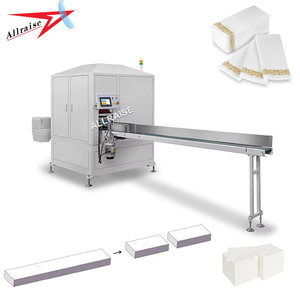
Automatic Single Channel Napkin Tissue Cutter Making Machine Disposable Soft Dinner Facial Tissue Paper Log Saw Cutting Machine
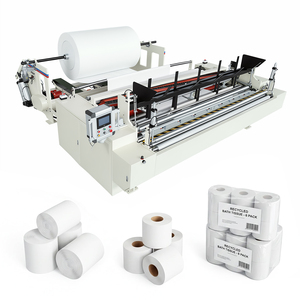
Automatic toilet paper rewinding machine, paper cutting machine, toilet paper slitting and rolling machine
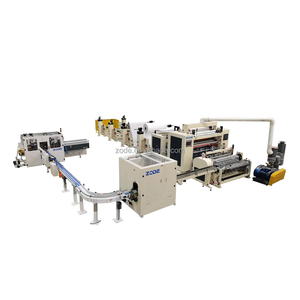
Factory Production Line Automatic Facial Tissue Paper Towel Making Machine
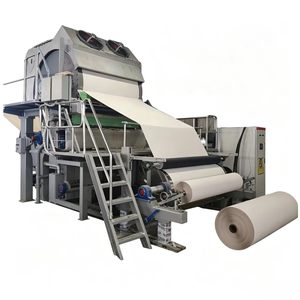
High Speed Motor & Engine PLC Tissue Paper Making Machine 60 Tons/Day Capacity Toilet Paper Facial Tissue Production
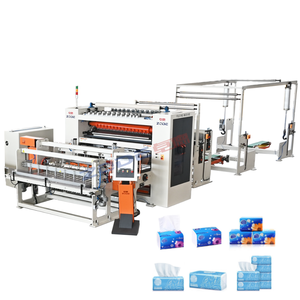
ZODE V7L Good Price Tissue Paper Folding Machine,Fully Automatic Facial Tissue Paper Production Line
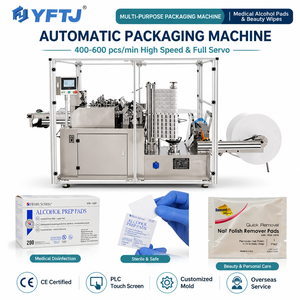
Turnkey Alcohol Prep Pad Production Line Automatic Single Piece Wet Tissue Making Machine for Small Business
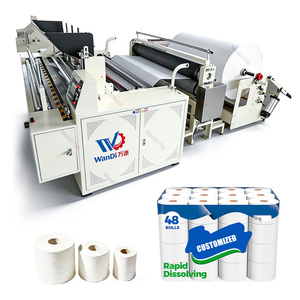
High Speed Manufacturer Tissue Paper Converting Line Machine Toilet Tissue Paper Rewinding Making Machine for Small Business
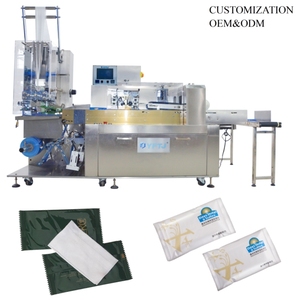
Best Brand YFTJ WET TISSUE MAKING MACHINE Islak Mendil Makinasi Wet Tissue Paper Making Machine Single Wet Wipes Making Machine
Industry White-Paper: Technical Criteria for CE Certified Napkin Production Lines
In the competitive global paper converting sector, investing in a CE Certified Napkin Production Line is no longer merely a regulatory requirement for entering European and Western markets—it is the baseline indicator of mechanical stability, electrical protection, operator safety, and production precision. CE marking certifies that the machinery meets the mandatory health and safety standards specified under European Directives, including the Machinery Directive 2006/42/EC, the Low Voltage Directive (LVD) 2014/35/EU, and the Electromagnetic Compatibility (EMC) Directive 2014/30/EU.
A fully integrated high-speed napkin manufacturing system transitions raw jumbo tissue rolls into precisely embossed, printed, cut, folded, and stacked dinner, cocktail, or beverage napkins. Modern procurement officers and plant engineers must look beyond basic mechanical speed claims and evaluate equipment based on Overall Equipment Effectiveness (OEE), tension control precision, vibration dampening architecture, and long-term dimensional repeatability.
Key Engineering Metric: High-performance CE napkin production lines utilize full-servo synchronizations rather than mechanical gear linkages, reducing maintenance downtime by up to 65% while maintaining strict folding accuracy within ±0.5 mm at speeds exceeding 1,000 sheets per minute.
When specifying a napkin converting production line, buyers must inspect five structural engineering subsystems:
- Unwind Stand Assembly: Heavy-duty steel plates equipped with pneumatic jumbo roll lifting, automatic web tension control via load cells, and electronic edge alignment (web guiding systems) to prevent paper shifting at high velocities.
- Flexographic Printing Units: Single to four-color flexo printing stations featuring ceramic anilox rollers, doctor blade chambering, and rapid IR/hot-air drying tunnels designed for water-based food-grade inks without paper deformation.
- Embossing Subsystem: Precision-machined Steel-to-Rubber, Steel-to-Paper, or Steel-to-Steel embossing rollers with pneumatic pressure adjustment and optional Point-to-Point (P2P) micro-embossing for maximum bulk and softness.
- Folding & Rotational Slitting Head: High-hardness vacuum-assisted folding cylinders capable of 1/4 (quarter fold), 1/8 (book fold/dispenser fold), or 1/16 fold geometry with carbide rotary slitters for crisp edge finishing.
- Automatic Transfer & Packing Interface: Electronic counting and auto-conveying lanes ready for integration into soft-pack flow wrappers or carton packing systems.
| Performance Specification | Standard Semi-Automatic Line | Advanced Servo CE Napkin Line | Information Gain Impact |
|---|---|---|---|
| Mechanical Speed | 400 – 600 sheets/min | 800 – 1,400 sheets/min | +120% Output per Operator Shift |
| Fold Precision Tolerance | ± 1.5 mm | ± 0.3 mm to ± 0.5 mm | Prevents downstream automated packing jams |
| Control Architecture | Frequency Inverter + Chains | Multi-Axis Motion PLC + Servo Motors | Eliminates mechanical gear wear and lash |
| Safety Standard | Basic emergency button | CE Safety Relays + Light Curtains + Guard Interlocks | Full compliance with EU & OSHA safety codes |
| Embossing System | Single Steel-to-Rubber Roll | Modular Quick-Change P2P / Steel-to-Steel | Enables rapid product customization per order |
Global Sourcing & Future Procurement Trends (2025–2030)
The global commercial tissue paper market is undergoing a seismic shift driven by changing consumer hygiene habits, hospitality sector expansion, and strict environmental sustainability mandates. Industrial buyers procuring napkin production machinery are prioritizing long-term agility, energy conservation, and compatibility with non-wood or eco-friendly substrate fibers.
Eco-Fiber & Bamboo Substrate Compatibility
Modern lines are engineered to handle lower tensile strength recycled fibers, unbleached virgin pulp, and 100% bamboo fibers without tearing or generating excess paper dust during high-speed vacuum folding.
IoT Remote Diagnostics & Predictive Maintenance
CE-certified machine manufacturers integrate Siemens or Mitsubishi PLC systems equipped with cloud telemetry, enabling engineers to perform remote troubleshooting, firmware upgrades, and component wear forecasting.
Rapid Format Quick-Changeovers
To support short-run promotional printing and custom restaurant branding, future-proof machines utilize modular printing cassettes and quick-release embossing sleeves that reduce swap time from 4 hours to under 30 minutes.
Key Technological Innovations Shaping Modern Napkin Converting
Maximizing output profitability requires an understanding of how advanced machine mechanics directly impact product quality and cost per pack. Key technological innovations engineered into state-of-the-art tissue production lines include:
1. Closed-Chamber Doctor Blade Ink Systems: Traditional open-fountain flexo printing leads to solvent evaporation, viscosity fluctuations, and ink splatters at high operating speeds. Closed-chamber doctor blade technology ensures uniform ink transfer onto ceramic anilox rollers, maintaining consistent color density on custom-printed logo napkins while reducing ink consumption by 20%.
2. Vacuum-Controlled Differential Folding Cylinders: Achieving sharp, crisp folds on lightweight 13–18 gsm tissue paper requires balanced pneumatic suction. Vacuum-assisted folding mechanisms hold the paper web securely against the folding jaw, eliminating static buildup issues and preventing edge curl.
3. Automatic Counting & High-Speed Pushing Arms: Rather than relying on manual counting, optic infrared sensors track exact sheet counts (e.g., 50, 100, or 250 napkins per stack) and trigger servo-driven pneumatic separator arms to push the finished stacks seamlessly toward the wrapping unit.
Enterprise Advantages & In-House Manufacturing Strength
As a leading tissue machine manufacturer and turnkey factory supplier, Arabia Industrial Tissue Equipment LLC stands out through integrated precision engineering, strict quality control, and robust global aftermarket support. Our specialized production facility operates an in-house CNC processing center where critical mechanical components are machined to exact tolerances, guaranteeing long-term machinery stability.
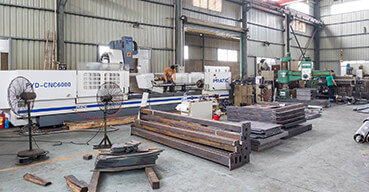
In-House Assembly Workshop
Standardized modern assembly lines ensure every frame, cylinder, and servo motor is aligned with laser precision before testing.
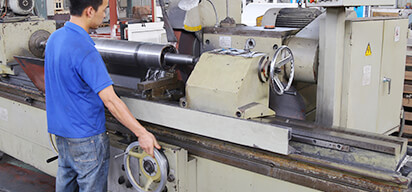
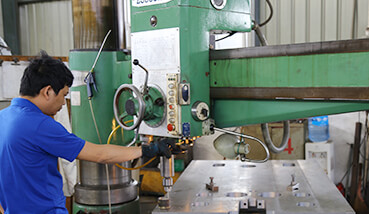
Precision CNC Machining
In-house processing of key structural parts guarantees heat-treatment quality, dimensional stability, and faster delivery schedules.
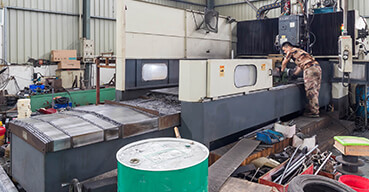
Automated Machine Testing
Every napkin production line undergoes 72-hour continuous test runs with client-specified paper raw materials prior to export shipment.
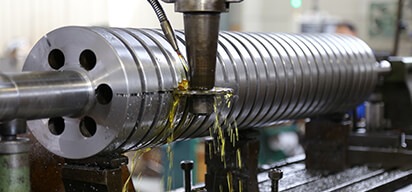
Expert Commissioning & QA
Senior tissue converting engineers execute comprehensive multi-point quality inspections to verify CE electrical and mechanical safety compliance.
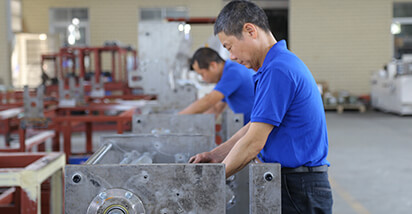
Strict Quality Inspection
Dynamic balancing of embossing cylinders and cutter rollers minimizes high-speed operational vibration and extends bearing service life.
Turnkey Export & Logistics
Reinforced export packaging, clear wiring schematics, and complete multilingual technical documentation guarantee seamless factory installation.
Frequently Asked Questions (FAQ) for Tissue Machinery Procurement
Accelerate Your Tissue Converting Business
Request our detailed 2025 CE Machinery Catalog, full engineering CAD layouts, and tailored price quotations from our senior tissue machinery specialists.
Get Catalog